

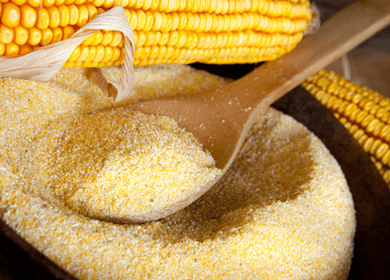

Low-Fat Labels Helped Build the Ultra-Processed Aisle
When fat became the villain, companies added starch, sugar, and flavor systems. A low-fat sticker is not a health halo — it is often a processing alert.

Fragrance on the Label Can Hide Phthalates
FDA rules let cosmetics list “fragrance” as a single word. Phthalates used as scent fixatives can sit inside that black box — pick unscented when you want out.
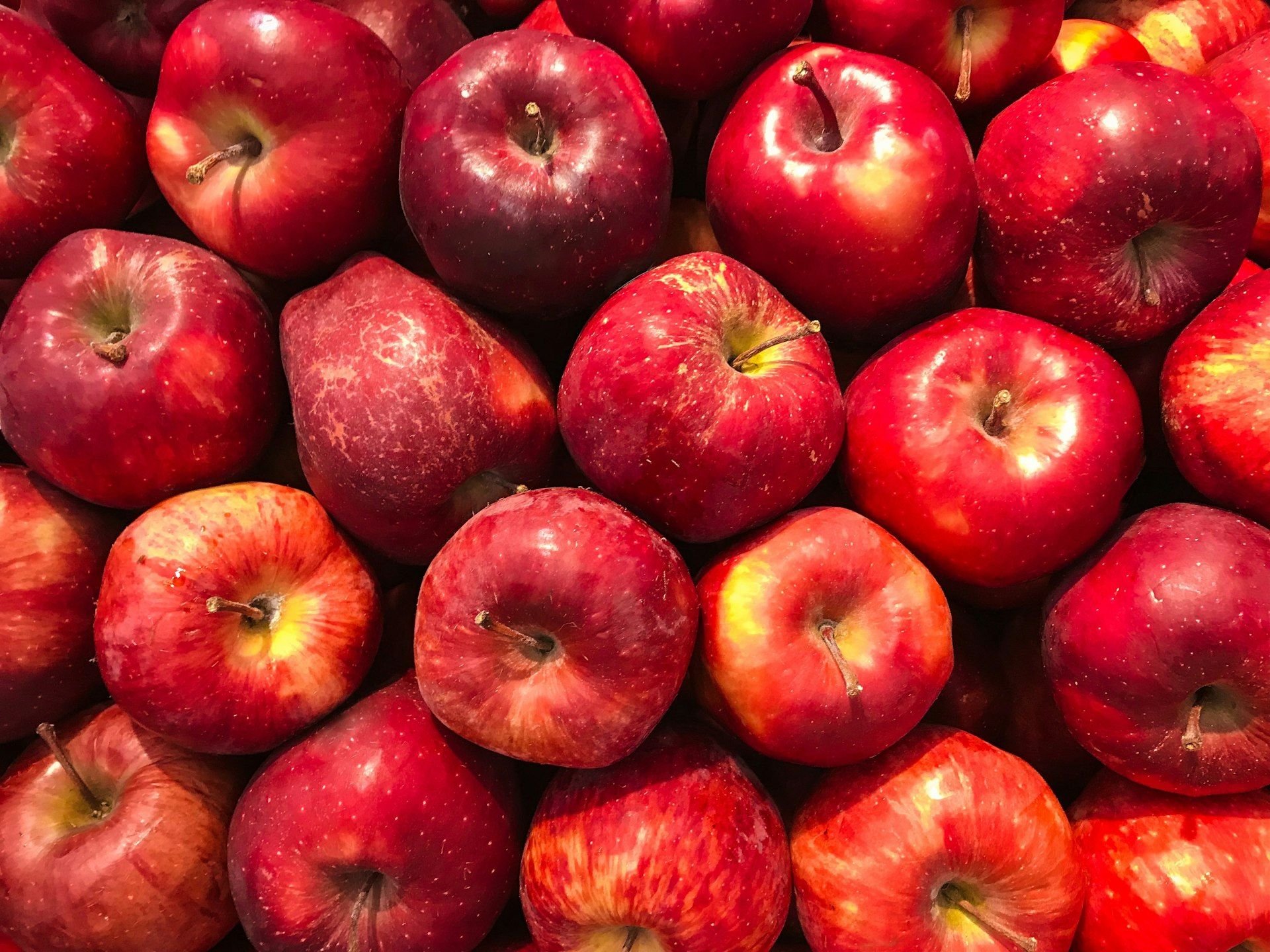
School Lunch Still Teaches Kids the Wrong Lesson About Food
School meals can hit nutrient targets and still serve ultra-processed trays. Kids learn that pizza squares and flavored milk are lunch — unless the cafeteria cooks actual food.

Night Shift Work Is Classified as a Probable Carcinogen
IARC lists night shift work as Group 2A — probably carcinogenic — because it wrecks circadian timing. If you work nights, treat sleep like protective equipment.

Cage-Free and Free-Range Mean Less Than the Carton Suggests
USDA cage-free eggs can still come from indoor barns. Free-range adds outdoor access that may be a door and a yard. Read the shield, not the pastoral drawing.

Your Couch Foam Is Still Shedding Flame Retardants Into Dust
Old furniture standards pushed chemical flame retardants into American sofas. They migrate into dust kids crawl through — replacing foam or buying FR-free pieces cuts the load.

Farmed Salmon Is Not the Same Fish as the Wild One
Farmed salmon get their pink from feed pigments and a diet that is no longer mostly marine. Buy it as a different food — or choose wild when the label is honest.

Hospital Food Is Still Working Against Recovery
Patients go to hospitals to heal, then get the same industrial trays that track with chronic disease. Ask for real food, protein, and a dietitian — not another sugar cup.
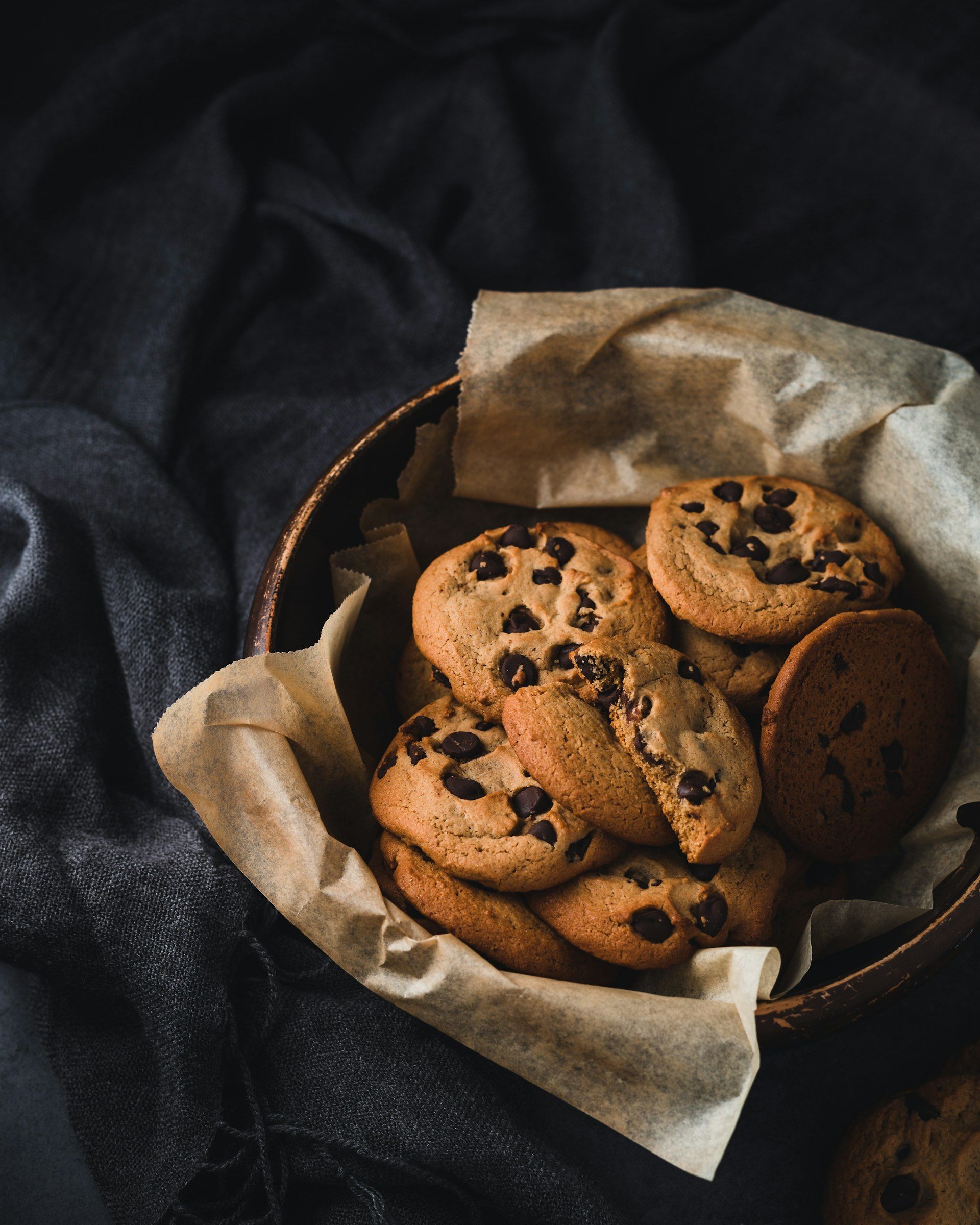
The Sugar Industry Paid to Blame Fat for Heart Disease
Internal documents show a 1960s sugar trade group funded a review that downplayed sucrose and pointed at fat. The low-fat aisle is still living with that detour.
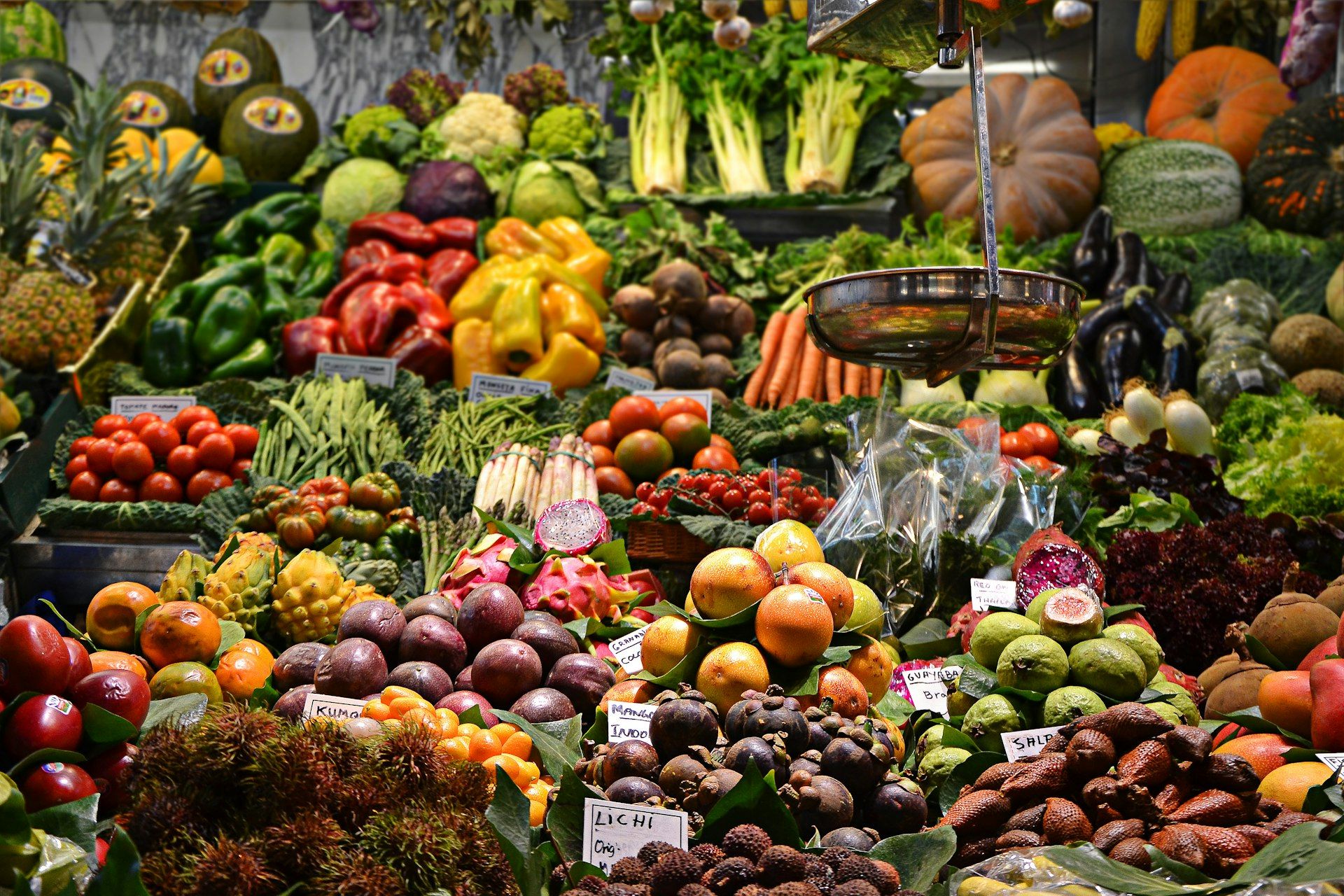
Best-By Dates Are Sending Good Food to the Trash
Except for infant formula, most date labels are about quality, not safety. USDA says confusion helps waste food — trust your senses before the calendar.