Creator voice strain is an occupational injury, not a content problem. If you podcast, livestream, sell on camera, or teach for hours, your voice is a tool with a medical manual. The National Institute on Deafness and Other Communication Disorders publishes plain advice on taking care of your voice: do not scream, do not whisper when it hurts, drink water, rest the voice, avoid smoke, and see a clinician if hoarseness lasts more than a couple of weeks. That is not a branding tip. It is how you keep the product.
A home studio makes it worse because there is no stage manager to end the set. You record “one more take,” then hop on a client call, then narrate a reel. The vocal folds do not care that it was all for the funnel. They care about duration, loudness, dryness, and rest.
Voice strain is overuse plus bad conditions
NIDCD notes that vocal abuse and misuse — yelling, throat clearing, speaking at an unnatural pitch — irritate the folds. Dry air, a leftover from the sealed home office, does not help. OSHA already wants office humidity in a 30–60% band for comfort and eyes. Your throat lives in the same air. Caffeine and alcohol can dry you; they are not a recording breakfast. A full glass of water is.
Whispering to “save” a hoarse voice is a common mistake NIDCD warns about. So is pushing through pain. Pain, a sudden pitch change, or hoarseness that does not ease with rest is a clinician visit, preferably someone who knows voices — an otolaryngologist or a speech-language pathologist. You would not run on a sprained ankle because a launch was Tuesday.
A studio protocol that is actually rest
- Cap recording blocks. Ninety minutes with a break beats a four-hour “get it done” that wrecks the week.
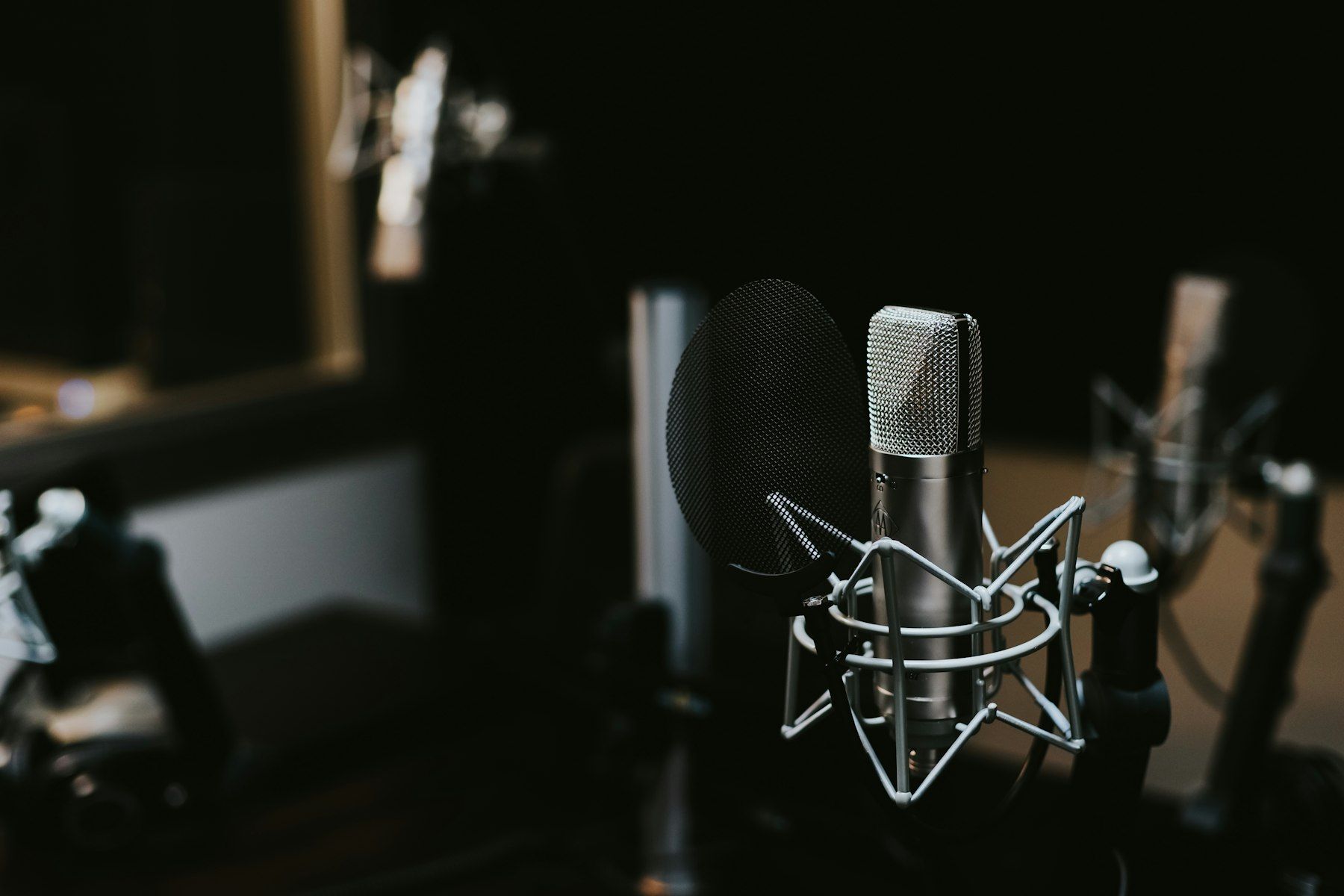
- Mic position and a pop filter so you are not shouting to sound close. Gain is cheaper than a hemorrhage.
- Water on the desk. Steam from a shower before a long session is a home remedy many clinicians tolerate; it is not a cure.
- No throat clearing as a tic. Swallow or sip instead.
- If you are sick, reschedule the recording. Congested pushing is how a cold becomes a month of husk.
- Sleep. CDC’s 7-or-more-hours line supports tissue repair like it supports mood. You cannot out-edit a fried larynx.
Batching content is smart until it becomes a vocal double shift. Alternate voice-heavy days with edit-only days. Put the rotation on the calendar so a surprise live session does not land on day three of recording. Your audience will survive a Thursday off. They will not get a better episode from a host who cannot finish a sentence.
The brand is not more important than the folds
Creator culture treats hoarseness as proof you showed up. That is as smart as treating founder sleep debt as a resume. Rest the voice. Change the setup. Get help if it lasts. Creator voice strain is optional only if you treat the voice like equipment you maintain, not like a personality you spend. You can post from a rest day. You cannot post from a ruined instrument.
If speaking is how you eat, budget a session with a voice clinician the way you budget a new microphone. The microphone is replaceable. Warm up gently, cool down by talking normally — not by going straight into a loud call. Creator voice strain shows up as “I’ll rest later.” Later is a specialist visit. Rest now is cheaper.
Smoke and vaping are vocal-fold irritants; NIDCD’s care page is not shy about smoke. If you record in a room that someone else smokes in, you inherited their habit. Move the session. Creator voice strain is already overuse. Do not add chemistry. Water, rest, and a closed door that actually means the session is over will do more than a new plugin. Schedule the rest like a recording block so it happens.