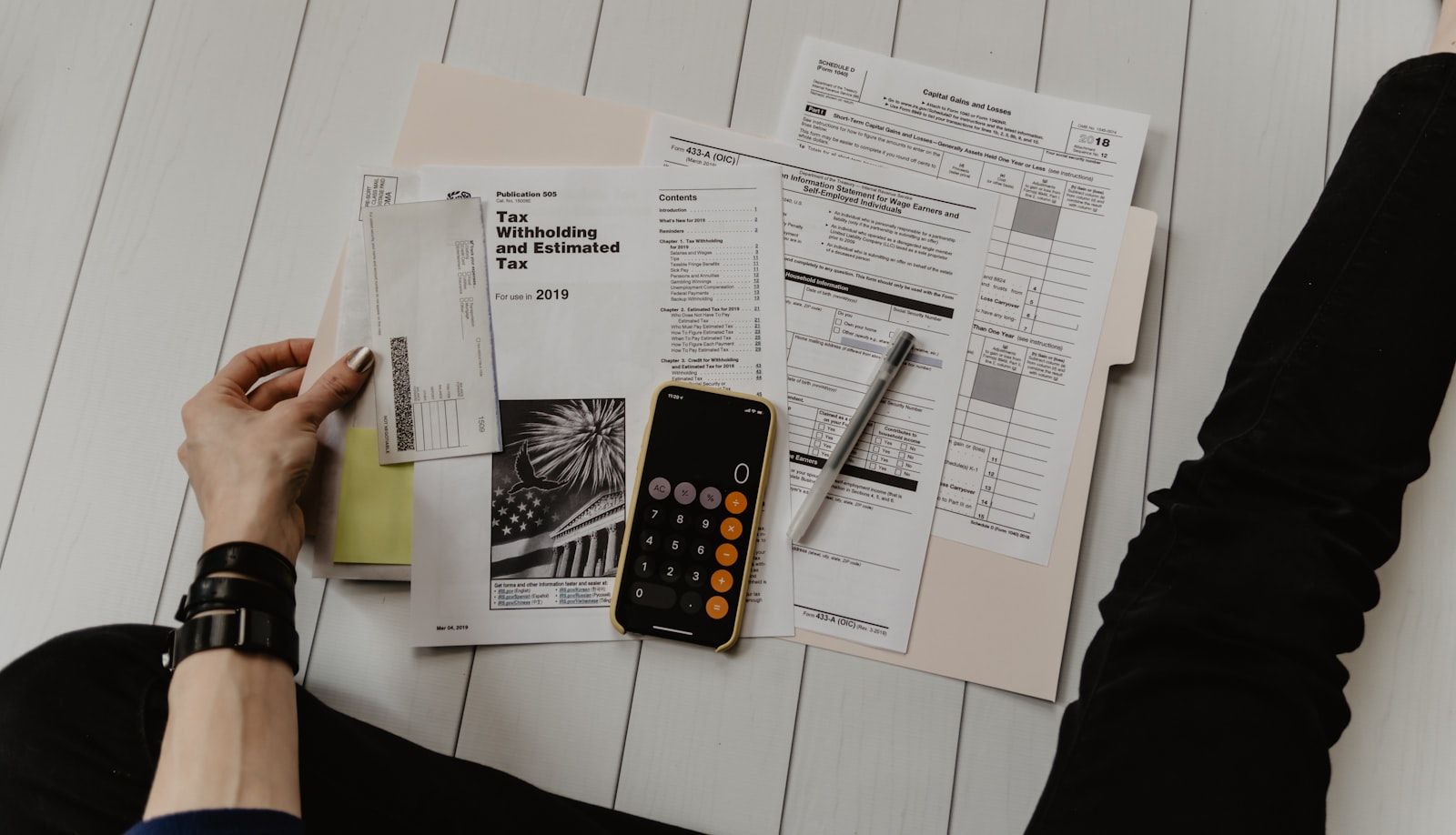
An emergency fund is a health tool. It is not a personality. It is not a photo of a savings app. It is the cash that lets you get the scan, replace the tire that gets you to work, and buy groceries in the week a paycheck is late, without turning a bad week into a 24 percent credit-card problem. Personal-finance culture loves to turn this into a flex or a shame contest. Skip both. Fund the next deductible.
KFF’s 2025 survey put the average single-coverage deductible, for workers who have one, at $1,886. Many small-firm workers face more. If your “emergency fund” is a credit card, you do not have an emergency fund. You have a high-interest medical loan waiting for a diagnosis.
What an emergency fund is actually for
The internet will say three to six months of expenses. That is a destination, not a moral law. The first target that changes household health is more concrete: the health-plan deductible, a car repair, and a month of essential food and utilities. Hit that, then keep going. A glossy “six months” lecture is how people freeze and save nothing.
CFPB consumer tools keep returning to the same idea: unexpected expenses are normal, and high-cost credit makes them worse. You do not need a bureau report to know a payday loan is a trap. You need a named account that is boring on purpose.
Where an emergency fund should live
A separate high-yield savings account at a bank or credit union you already use is enough. The point is friction. If it sits in checking, it will become groceries and a birthday. If it sits in the market, it will be down on the week you need it. This is not investment advice. This is a parking spot for money you cannot afford to time.
If you have an HSA and a high-deductible plan, that account is the medical slice of the emergency fund, with a tax advantage. You can still want a plain cash bucket for the non-medical disasters: the water heater, the unpaid week, the family funeral travel. Do not make the HSA do every job. IRS rules on qualified expenses are real. A transmission is not one.
How to build an emergency fund in a house that is already tired
- Automate a small transfer on payday, even if it is $25. The amount matters less than the habit at the start.
- Park windfalls: tax refunds, overtime, a sold item. That is how first targets get hit without a personality transplant.
- Cut subscription creep and unused gym charges before you cut food quality. See those as emergency-fund donations.
- If debt interest is crushing, still keep a small cash buffer so a $400 repair does not become another loan. A $0 checking balance is how emergencies multiply.
- Write down the three bills this fund is allowed to pay. If it is not on the list, it is not an emergency.
People with irregular income should save in percentage terms on fat weeks, not in a fixed dollar that bounced-check weeks cannot meet. The buffer is the point, not the spreadsheet aesthetic.
The health case for an emergency fund
Delayed care is expensive care. Delayed car repairs are missed shifts. Delayed rent is a housing emergency that will eat every other goal. Cash on hand is how you stay in the boring middle of those stories.
If you share money with a partner, name the fund in both people’s heads. “The deductible account” is clearer than “savings.” Ambiguous savings get raided for holidays. Named medical cash does not, or at least it starts an argument before it disappears, which is an improvement.
Ignore the influencer with a six-figure “emergency” portfolio and a sponsored debit card. Your version is a named savings account that can clear a deductible without a family argument. When you use it, refill it. That is the whole product. An emergency fund is a health tool because medicine, housing, and food all fail in the same week if the cash is not there. Build the boring pile. Then go live.