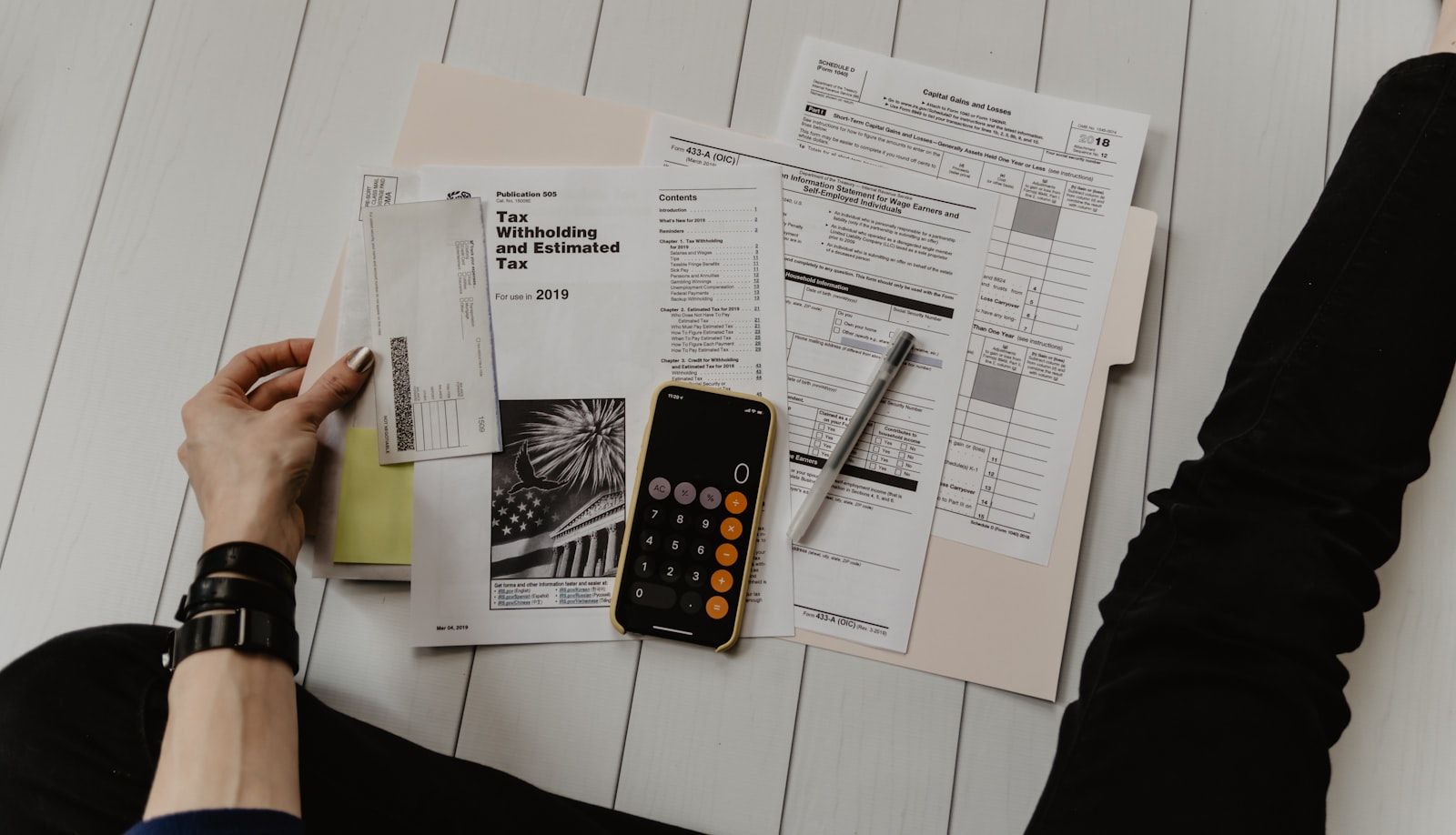
Grocery inflation did not vanish because a headline cooled off. The Bureau of Labor Statistics still had food at home up 2.7 percent over the 12 months ending in July 2026. Fruits and vegetables were up 5.1 percent over that year. Food away from home rose 3.4 percent. Those are not panic numbers. They are the sound of a high price level that never came back down, plus another year of creep on the items that actually keep a household fed.
The Alternative Daily take: stop waiting for “inflation to end” before you change how you shop. The 2021–2023 spike is still sitting in the shelf tag. A slower rise on top of an already expensive cart is not relief. It is a smaller bag of the same food.
What grocery inflation looks like after the cameras leave
Monthly food-at-home readings bounce around. In July 2026 the index even slipped 0.1 percent from June. That is the kind of decimal that gets sold as “prices are falling.” It is not the same as your cart costing what it cost five years ago. The food-at-home index itself sat at 321.643 in July 2026, on a 1982–84=100 scale. That is the level. The percent change is just the latest step on a tall staircase.
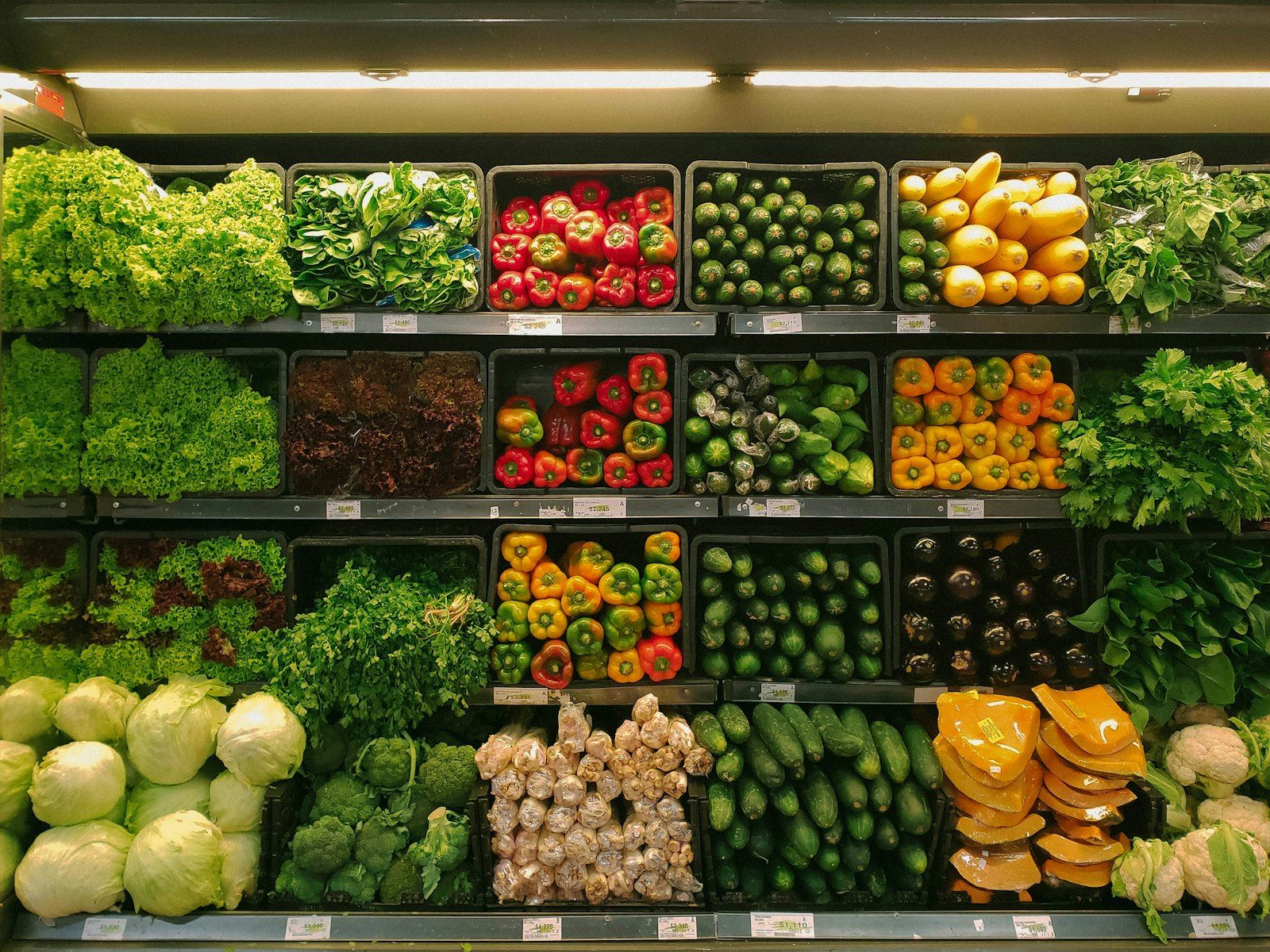
Produce is the household health line. When fruits and vegetables outpace the rest of the grocery basket, families do not “eat better for less.” They swap fresh for filler, or they buy the same produce and cut something else. That is nutrition policy made at the checkout, not in a dietary guideline.
Why grocery inflation hits the kitchen before the restaurant
Food at home is still the cheaper way to eat. Food away from home has been rising faster on a 12-month basis. The trap is using takeout as a reward after a brutal grocery trip. You pay the grocery premium, then you pay the restaurant premium on the nights you are too tired to cook the expensive produce you just bought.
Unit size is the other quiet raise. A box that used to be 16 ounces and now is 12.5 is a price increase even if the sticker did not move. BLS tracks categories, not every shrink. You have to weigh that yourself. Same brand, same aisle, less product. That is grocery inflation with better graphic design.
How to shop a high grocery inflation cart without eating junk
You do not need a new identity as a coupon influencer. You need a shorter list and a harder “no” on the center aisles.
- Build the week around dry beans, eggs, frozen vegetables, oats, rice, and whatever animal protein is actually on sale. Those are still the adult foods.
- Buy whole produce that stores, not clamshells of pre-cut “healthy” convenience. The markup on washed lettuce is a labor charge, not a vitamin.
- Compare price per ounce, not the pretty number on the endcap. The warehouse club size is only a deal if you will finish it.
- Treat store brands as the default. The national brand is often the same plant with a different carton.
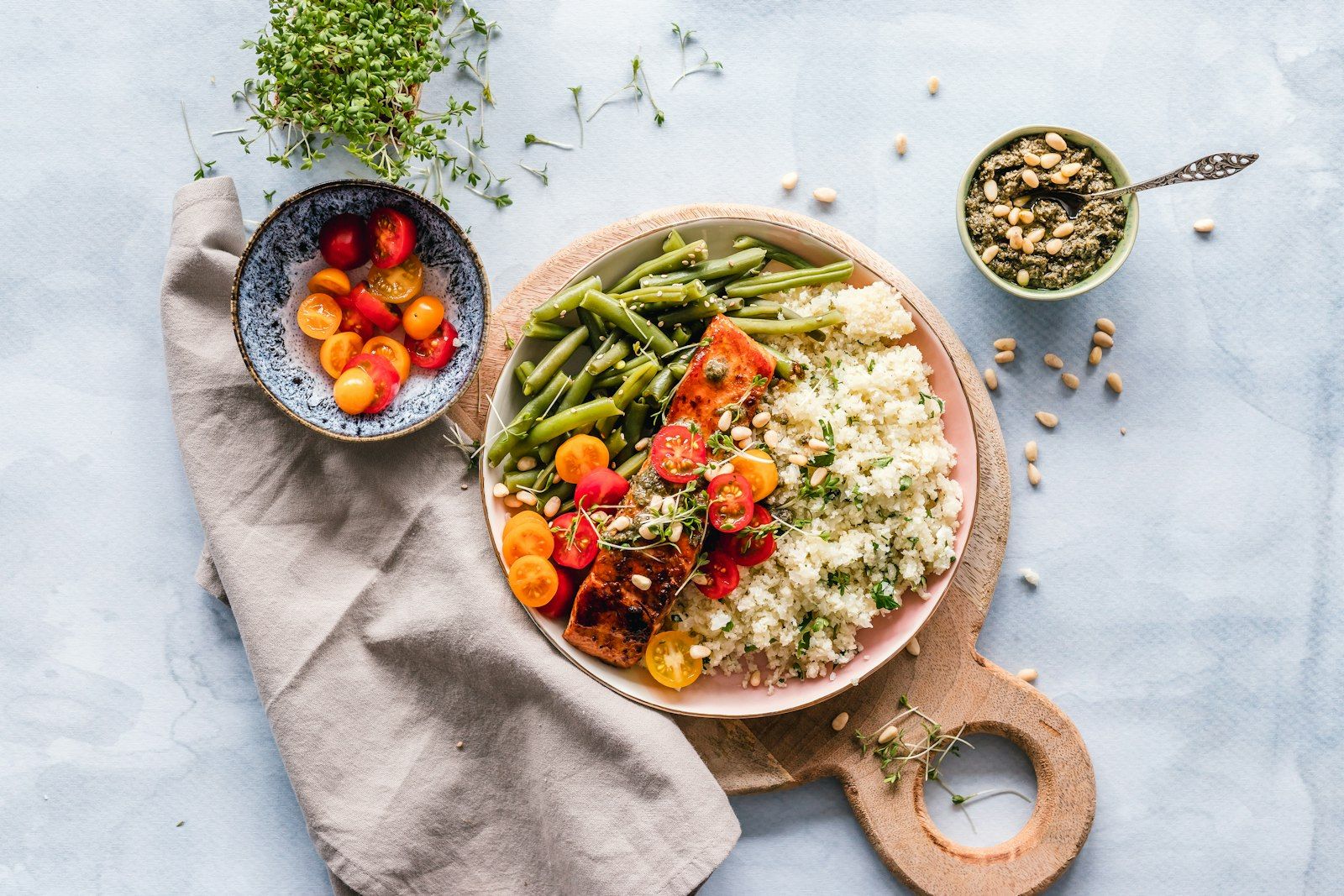
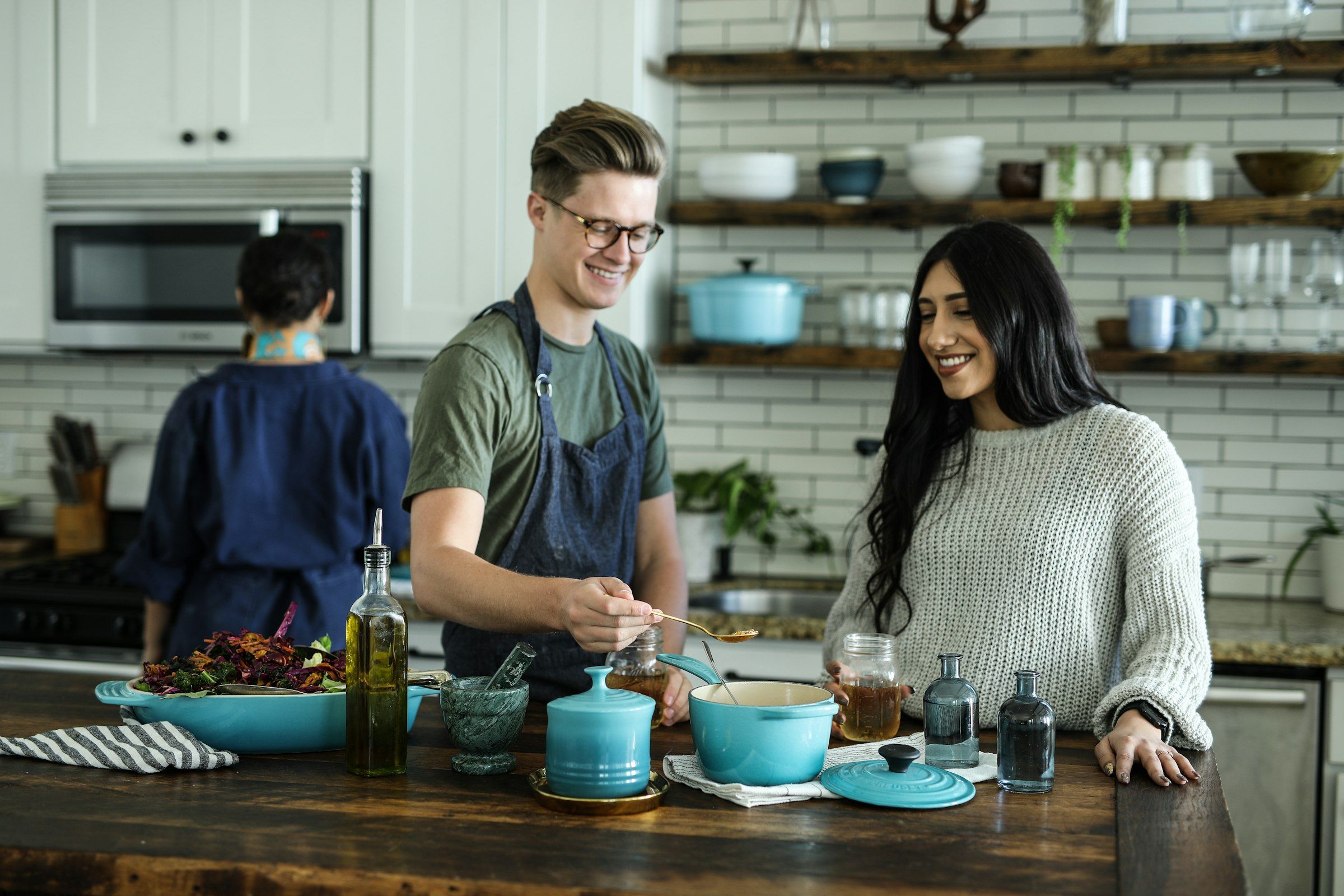
- Cook once, eat twice. Leftovers are the only meal kit that does not charge you for the plastic tray.
If a “health” snack costs more per calorie than the fruit next to it and comes with a seed-oil ingredient list, it is not a health purchase. It is a markup wearing yoga pants.
Grocery inflation and the household budget that actually matters
Housing and insurance eat first. Groceries are where people feel it because you shop every week. That is useful. A bill you see weekly is a bill you can still steer. Rent is not. So use the cart as the control panel: fewer packaged “wellness” foods, more actual food, fewer restaurant nights sold as self-care.
Loyalty apps will offer you $1 off the processed item they most want to move. That is not a discount on nutrition. It is a nudge. Take the produce sale. Skip the points for soda and frozen dessert.
The unglamorous way through grocery inflation
Nobody is coming to restore 2019 chicken prices. Plan as if this shelf is the new floor. Keep a running note of the prices you will actually pay for milk, eggs, oats, beans, frozen broccoli, and the protein you eat. When a tag jumps, you will know it is not in your head.
Grocery inflation “ending” in a news cycle is a story about the rate of change. Your kitchen is a story about the level. Shop the level. Cook the food. Leave the tiny “healthy” boxes on the shelf for people who like paying extra to be reassured.