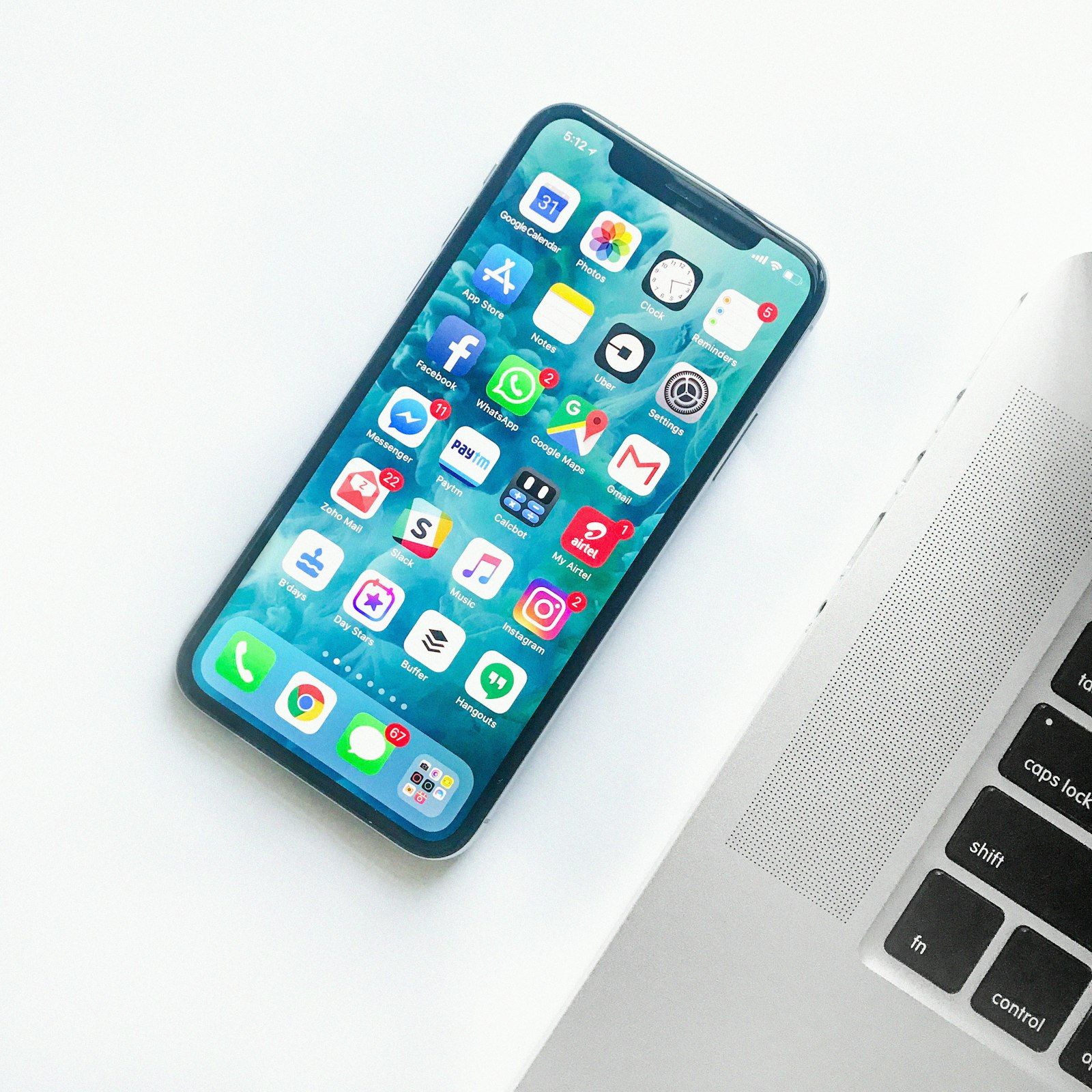
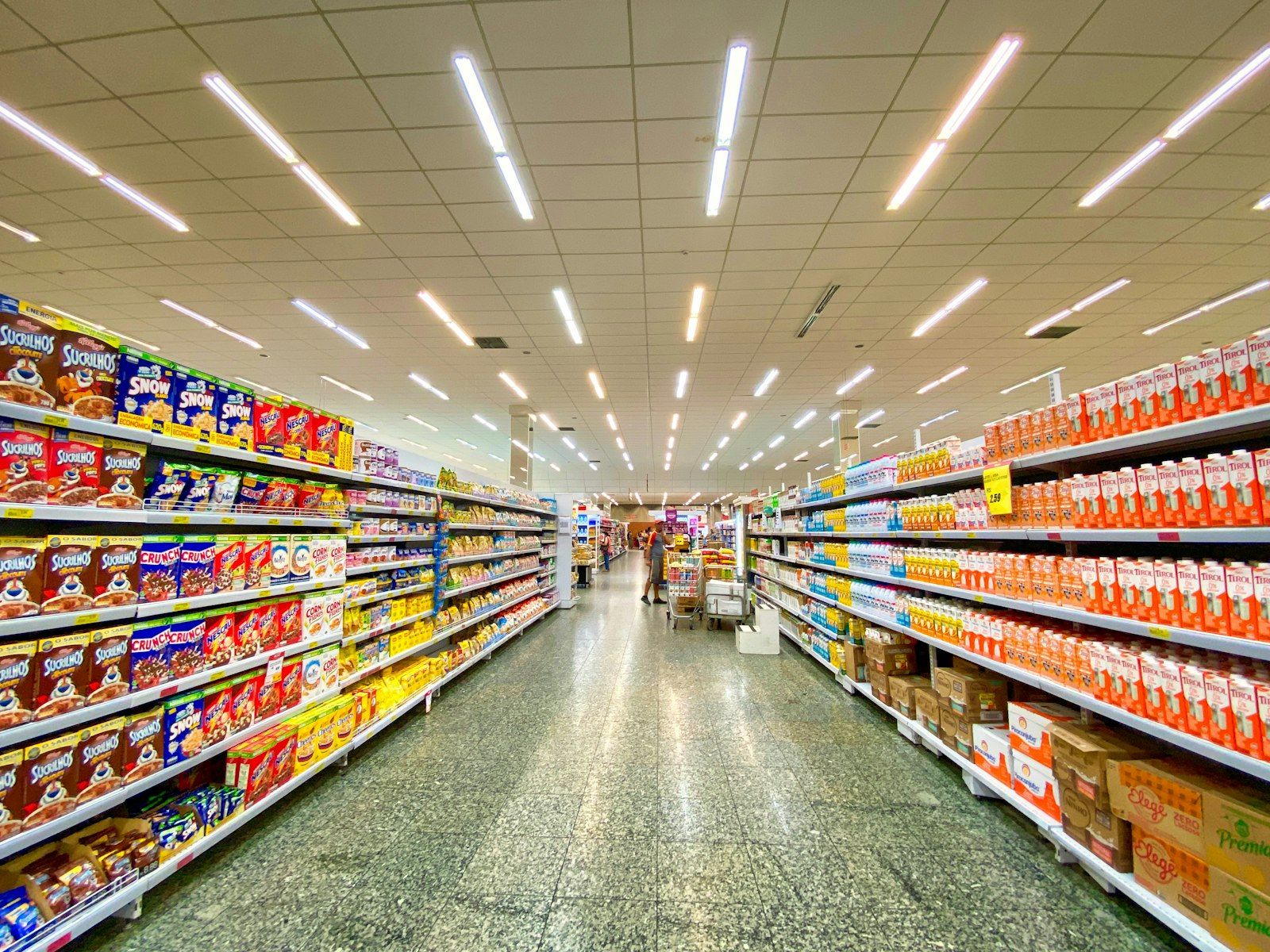
Grocery loyalty apps trade your receipts for pennies off processed food. You scan a code. The store learns what you buy, when you buy it, and how price-sensitive you are. In return you get $1 off the brand that most wants to move inventory. Sometimes that is chicken. Often it is soda, cereal, and a “healthy” bar that is still a candy bar. Food at home was still rising over the year ending July 2026. A penny-off app is not a cost-of-living policy. It is a marketing file with a barcode.
The Alternative Daily take: use the app for the sale you were already going to buy, especially produce and staples. Do not build a cart around digital coupons for food you did not need. That is how loyalty pays the store twice: once at the register, and again as a data profile of a tired parent at 6 p.m.
What grocery loyalty apps actually buy
They buy a list. Household size, brand switching, whether you chase protein snacks, whether you buy the store brand when the national brand is not discounted. Stores and their CPG partners have always wanted that list. The phone just made it cheaper. The FTC has spent years looking at commercial surveillance for a reason. You are not paranoid for noticing that the coupon that follows you is the coupon for the thing you already eat too much of.
Fuel points and cash-back portals are a cousin. They can be worth it if you were buying the gallons and the groceries anyway. They are not worth a cart of extras to “hit the threshold.” Thresholds are how you overspend by $20 to earn $1.
How to use grocery loyalty apps without getting farmed
- Clip or tap only the items already on your list: milk, eggs, oats, frozen vegetables, beans, the protein that is actually on sale.
- Ignore personalized “health” coupons for bars, drinks, and gut-health yogurt theater unless that product was already your breakfast.
- Compare the loyalty price to an off-brand with no coupon. The no-coupon item often still wins.
- Do not link the app to a credit card you do not watch. Extra payment credentials are extra breach surface.
- Delete the account if you move or stop shopping there. Dead apps are still data stores.
Paper circulars still exist in some stores and they do not need your location history. Use them. The app is optional. The unit price is not.
Grocery loyalty apps and the household health cart
The most dangerous coupon is the one that makes a processed food feel responsible. “High protein.” “Organic.” “Immunity.” You came for onions. You leave with a box. That is not a deal. That is a nudge, and you paid for the privilege of being nudged.
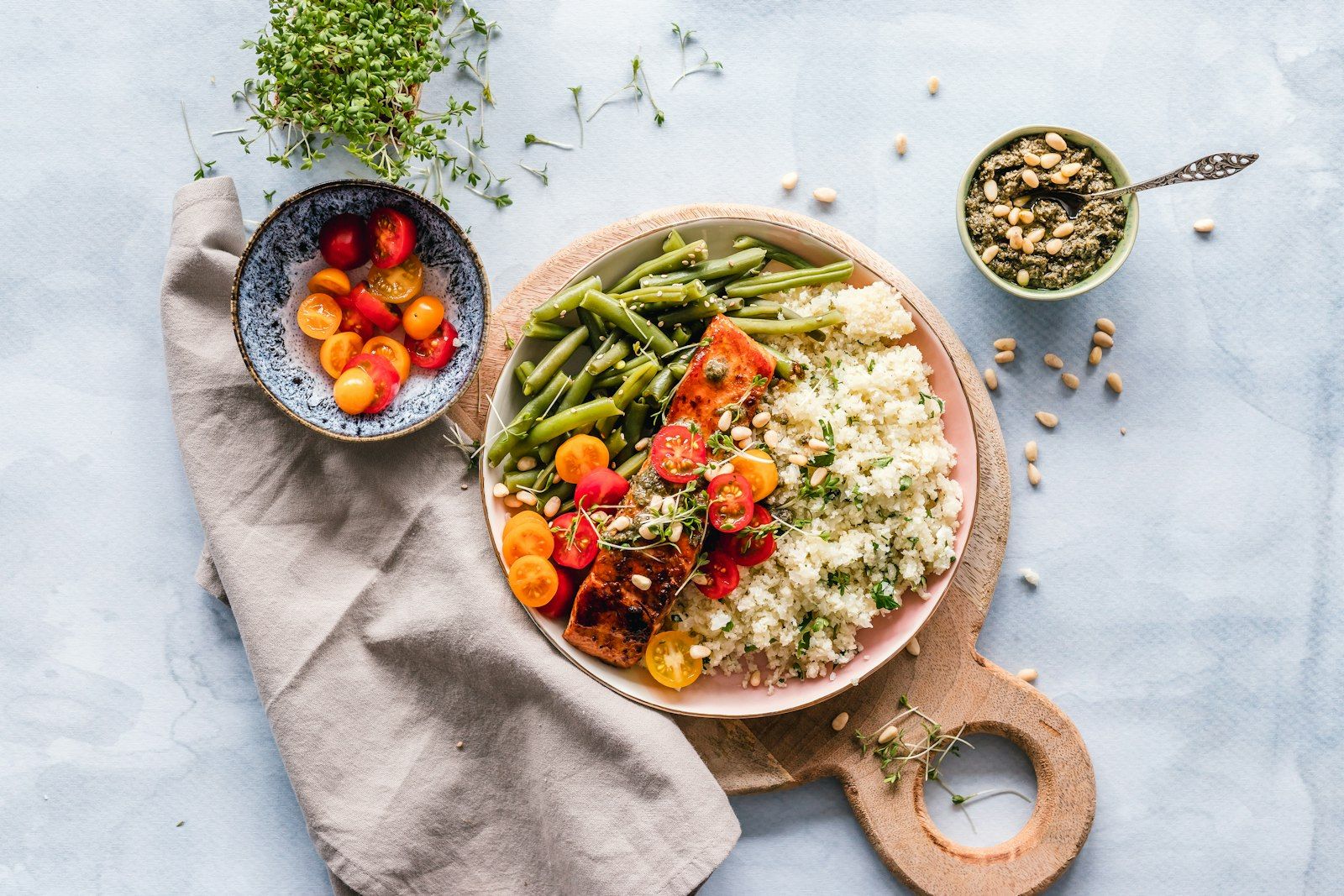
If you want the store’s dossier to work for you, make the dossier boring: staples, produce, store brands. The algorithm will eventually offer you more of what you buy. Teach it beans. It will survive. So will you.
The household rule for grocery loyalty apps
Scan if the chicken is actually cheaper. Do not scan your way into a second dessert. Grocery inflation already lifted the floor. Loyalty pennies will not lower it. They will only decide whether the next nudge is soda or spinach. Choose spinach, on purpose, or skip the app and read the shelf tag like an adult who knows the receipt is the product.
If two adults in the house each have the store app, pick one login. Duplicate profiles are how you get duplicate nudges and a messier data trail. One list. One account. One cart.
Store brands rarely need a personalized coupon. They are already the discount. If the app never shows you the store-brand unit price next to the national brand, that is not an accident. Walk to the shelf. The shelf still tells the truth the app is paid not to emphasize.
Grocery loyalty apps will keep getting prettier. Your list should stay ugly and short. That is how you stop trading a month of purchase history for a quarter off a box you did not need.