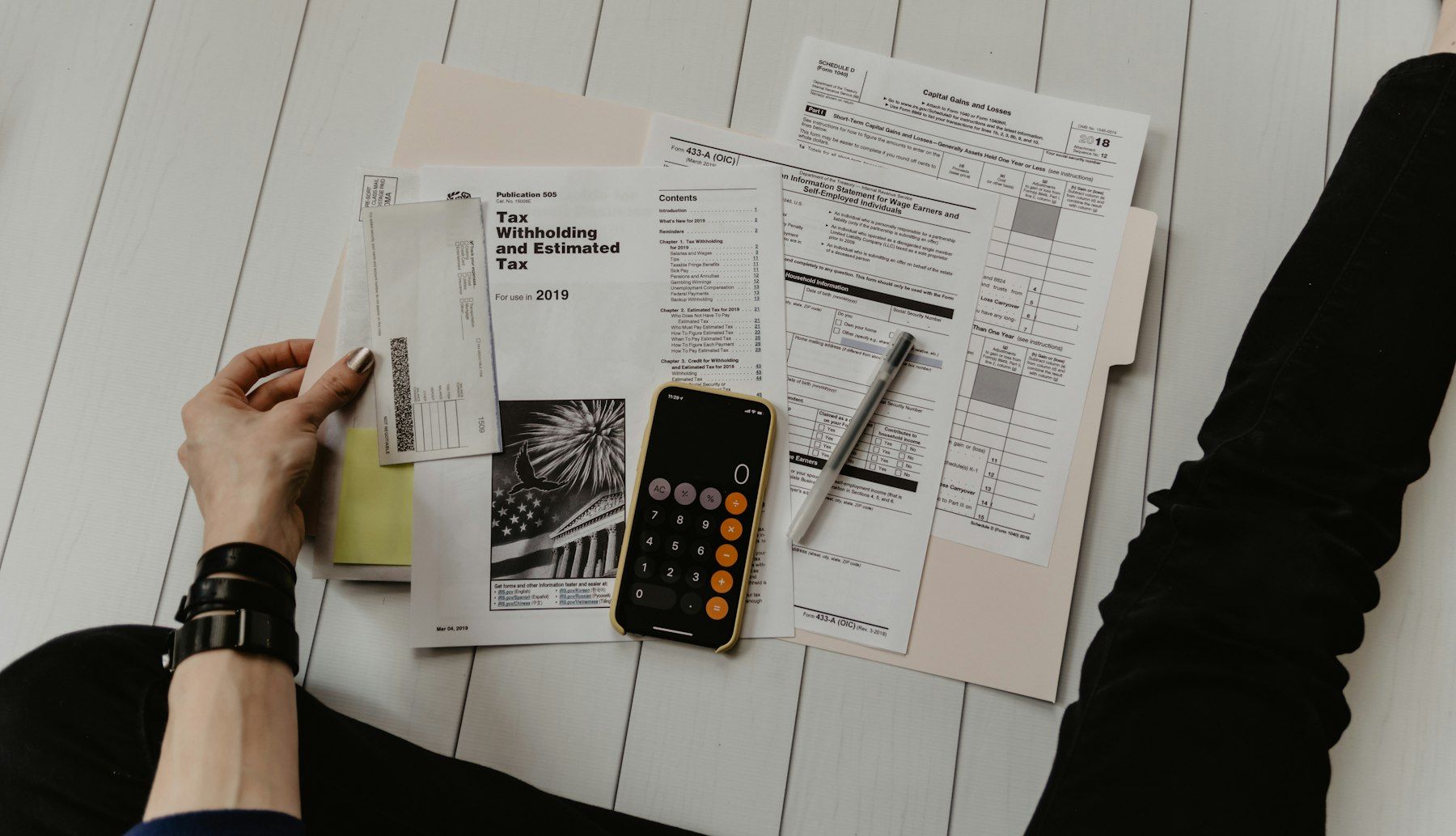
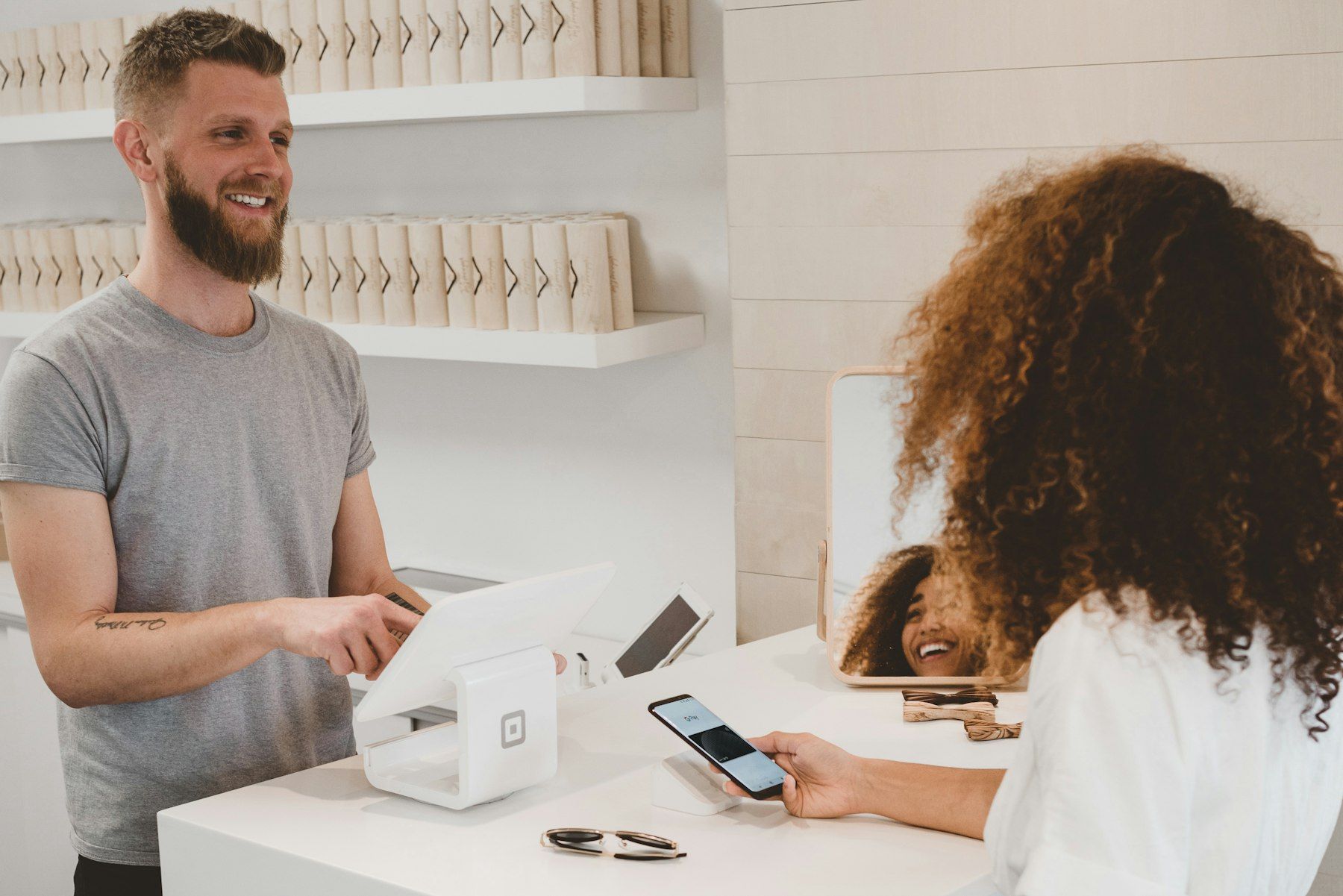
Underpricing is not humility. It is a slow leak. Freelancers and shop owners treat a low rate as a personality — easy to work with, grateful, not “one of those.” Then the calendar fills with work that cannot pay the health plan, the tax bucket, or a sick week. The SBA’s guidance on pricing is unromantic: your price has to cover costs, pay you, and leave a margin. A rate that only covers the client’s budget is a donation with invoices.
People underprice because they can count the hours and cannot count the overhead. Software, unbilled email, revisions, payment delays, self-employment tax, and the days nobody hires you are all part of the real cost. If you ignore them, the market will train you to keep ignoring them. Clients who found you on a bargain will not applaud when you finally charge enough. They will leave. That is fine. They were renting a discount, not hiring a business.
Underpricing hides in “quick” work
A $200 logo is never two hours. It is the messages, the files, the “tiny tweak,” and the portfolio piece you were using to justify the discount. Scope that like a contract even when the client is a friend. If you cannot write the deliverable in a sentence, you cannot price it. Underpricing loves fog.
Cost-plus is a start: materials, software share, a living wage for the hours including admin, taxes, and a margin. Value-based pricing is allowed too — a landing page that produces sales is not worth your typing speed. What is not allowed is copying the cheapest person in a Facebook group and calling it research. The SBA’s small-business content keeps returning to knowing your numbers. Know them.
Raise prices on new work first. Grandfathering every old client forever is how a book of business becomes a museum of 2019 rates. Give existing clients a date and a number. Some will go. The ones who stay are the ones who were buying the work, not the bargain.
A rate that can survive a human week
- Write down last month’s hours actually worked, including admin. Divide the money you kept after taxes by those hours. That is your real wage. If it is smaller than a local job you would take, the freelance premium is imaginary.
- Build the next quote from the monthly floor: insurance, tax, buffer contribution, tools, and a paycheck. How many billable hours do you truly sell? Price from that, not from 40 fantasy hours.
- Put revision limits in the proposal. Extra rounds are extra invoices.
- Stop unpaid “strategy calls” that are the job. If the call produces the plan, the call is the product.
- Say the number without an apology paragraph. A qualifier is a discount you pay to soothe yourself.
If a prospect’s first sentence is a price complaint, believe them. They have told you their strategy. Yours can be walking away. A full calendar at a loss is a more dangerous failure than a sparse calendar at a living rate, because it leaves no time to find better work.
Charge as if you were hiring you
Would you take this job from a stranger at this rate, with this scope, with no benefits? If the answer is a wince, that is the market signal. Underpricing is often a fear of being seen asking. The IRS will still want estimated taxes. The landlord will still want rent. Price for the life you actually have. Humility can live in the way you treat people. It does not belong in the invoice.
Review rates twice a year, not when you are furious. A scheduled review is business. An emergency hike after a blowup is how you lose the client and still feel cheap. Write the new number down. Send it. Then do the work at a rate that does not require you to hate the work.
Packages beat hourly theater. A defined deliverable with a defined price stops the client from treating your afternoon like an open bar. If they want hourly, set a minimum and a weekly cap. Underpricing often survives because the clock is fuzzy. Make the clock, or kill the clock and sell the outcome.
Write one sentence you will actually say when someone asks you to “do it for exposure.” Exposure is not a receivable. Your tax software will not accept it. Practice the sentence once so you are not inventing a discount in the awkward pause.