
Private healthcare options are helping millions save up to 40% on annual medical costs. Learn how private plans reduce overhead, offer customizable benefits, and provide immediate care access—all while keeping your out-of-pocket expenses low.
Health insurance costs have been rising for years, leaving many Americans frustrated with high premiums, massive deductibles, and shrinking provider networks. But there’s good news: private healthcare options are becoming one of the fastest-growing solutions for people who want quality coverage without the bloated price tag.
In fact, many individuals and families are saving 30%–40%—sometimes even more—by switching to private healthcare models.
In this article, we break down exactly how private healthcare keeps costs low, why it works, and whether it may be the right fit for you.
 How Private Healthcare Saves You Up to 40%
Private healthcare plans are designed differently than traditional insurance. They strip away unnecessary overhead, give you control over your coverage, and prioritize direct, affordable access to care.
Let’s break down the major areas where the savings come from.
1. Lower Administrative Overhead (10–15% Savings)
- Government compliance
- Mandated benefits and ACA rules
- High staffing and administrative costs
- Claims departments
- Marketing and agent commissions
Every layer adds cost.

Private plans operate leaner, with a stronger focus on care delivery rather than paperwork.
With fewer operational expenses, they can charge significantly less while offering similar or better benefits.
2. No Mandatory “One-Size-Fits-All” Coverage (12–18% Savings)
ACA marketplace plans must include coverage for services you may never use, such as:
- Maternity care
- Pediatric services
- Substance-abuse therapy
- Mental health counseling
- Preventative care bundles

These mandatory benefits make premiums skyrocket.
Private healthcare models are customizable, allowing you to select coverage that fits your life—not government-mandated checklists.
You’re only paying for what you actually use.
3. Cash-Pay Rates Reduce Medical Costs (10–20% Savings)
Private healthcare often taps into networks that use cash-pay rates, which are significantly lower because:
- No coding battles
- No insurance negotiations
- Faster payment for doctors
- Less paperwork

These direct-pay savings often include:
- 20–50% off imaging (MRI, CT, X-ray)
- 30–60% off labs
- Up to 40% off outpatient procedures
These savings are passed directly to members, reducing monthly costs and total annual medical expenses.
4. Predictable Costs and Lower Out-of-Pocket Fees (5–10% Savings)
Traditional insurance premiums might look decent—until you see the deductible:
- $6,000
- $8,000
- $9,500+ (family plans)
Many people never reach their deductible and end up paying full price for most care.

Private healthcare is typically built around:
- Lower deductibles
- Simpler pricing
- Predictable copays
- Transparent fees
This reduces your out-of-pocket expenses over the full year.
5. Faster Access to Doctors Saves Money Down the Road (5%+ Savings)
When you can’t get in to see your doctor for weeks, you end up at:
- Urgent care
- Walk-in clinics
- Emergency rooms
- Out-of-network specialists
These are all expensive options.

Private healthcare models focus on:
- Fast primary care access
- Same-week specialist visits
- No long referral delays
- Expanded telehealth
Faster treatment = fewer major medical events = lower costs.
6. Transparent Pricing Prevents Surprise Bills (5–8% Savings)
Traditional insurance is known for:
- Facility fees
- Deductible resets
- Out-of-network charges
- Surprise ER bills
- Mis-coded procedures
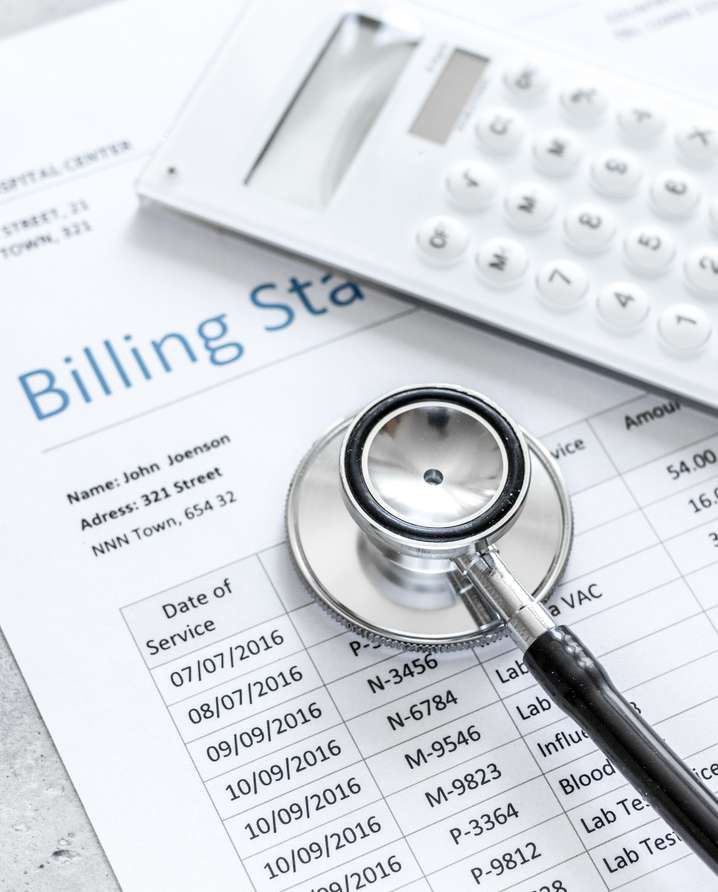
Private plans emphasize upfront pricing with no surprises.
When you know cost before receiving care, you can avoid financial traps and unnecessary spending.
 Total Potential Savings:
Up to 40% or More
| Savings Area | Typical Savings Range |
|---|---|
| Lower overhead | 10–15% |
| Customized coverage | 12–18% |
| Cash-pay discounts | 10–20% |
| Lower out-of-pocket costs | 5–10% |
| Fewer emergency visits | 5%+ |
| Transparent pricing | 5–8% |
 30%-40%+ per year
Many families save thousands per year without sacrificing quality of care.
 Who Is Private Healthcare Best For?
Private healthcare tends to work best for people who are:
 Under 62 years old
- Generally healthy
- Seeking a better price
- Wanting control over benefits
- Tired of high deductibles
- Frustrated with marketplace plans

If you want affordable, customizable healthcare, private options are likely a strong fit.
 Final Thoughts
Private healthcare isn’t “bare-bones” or unsafe. It’s a smarter, more efficient way to get the care you need—without the inflated costs of traditional insurance.

With lower overhead, flexible coverage, direct-pay discounts, and predictable pricing, private healthcare can realistically save individuals and families up to 40% each year.
If rising premiums are hitting your wallet, exploring private healthcare options may be the best financial decision you make this year.