
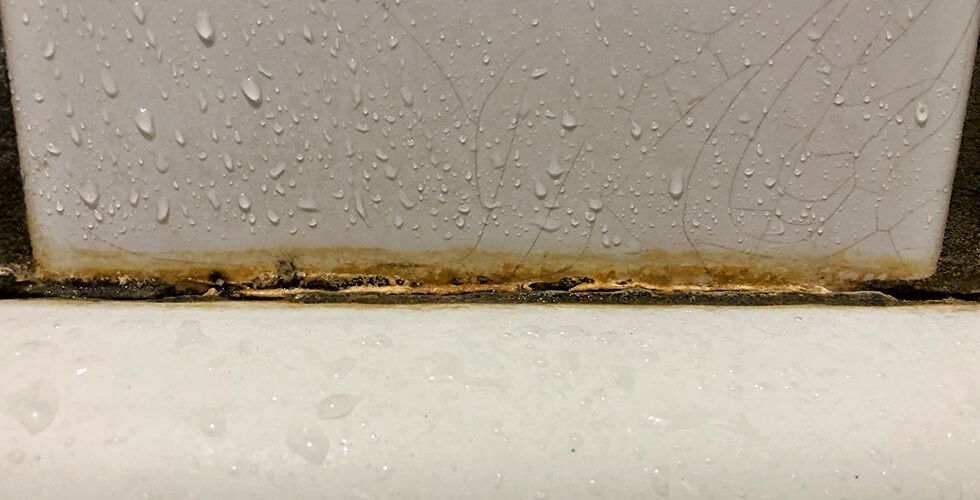
Mold isn’t just a shower nuisance or a sign you need to clean more—it’s a serious threat hiding in plain sight. According to FEMA, mold can begin growing just 24 hours after moisture enters your home. And it’s not always visible. What may seem like a water stain could be a full-blown fungal invasion.
Indoors, mold thrives on porous materials such as drywall, wood, and carpet, particularly in damp areas like bathrooms, basements, and behind appliances. “It often looks like water damage at first glance,” says remediation expert Devin Smith. And the effects can be far more than cosmetic.
The World Health Organization links indoor mold to respiratory issues, even in healthy people. Dr. Ana Zamora Martinez of the Mayo Clinic warns it can cause muscle pain, coughing, rashes, and in some cases, deadly lung infections. Worse still? Many people don’t notice symptoms until damage is done.
What causes it? Simple: moisture and time. Leaks, humidity above 60%, clogged dehumidifiers, and poorly sealed fixtures can all contribute to hidden mold growth. “If you see a small patch, assume there’s more you can’t see,” says mold expert Kendall Noble.
As for cleanup, skip the bleach. It only works on non-porous surfaces. For anything more in-depth, you’ll need mold-specific products, PPE such as N95 masks and gloves, or—better yet—a professional. “Trying to dry mold with a fan just spreads spores,” warns Noble.
The bottom line? Mold isn’t just gross—it’s dangerous. If you suspect it’s lurking, act fast. Ignoring it could cost you your health—and your home.