
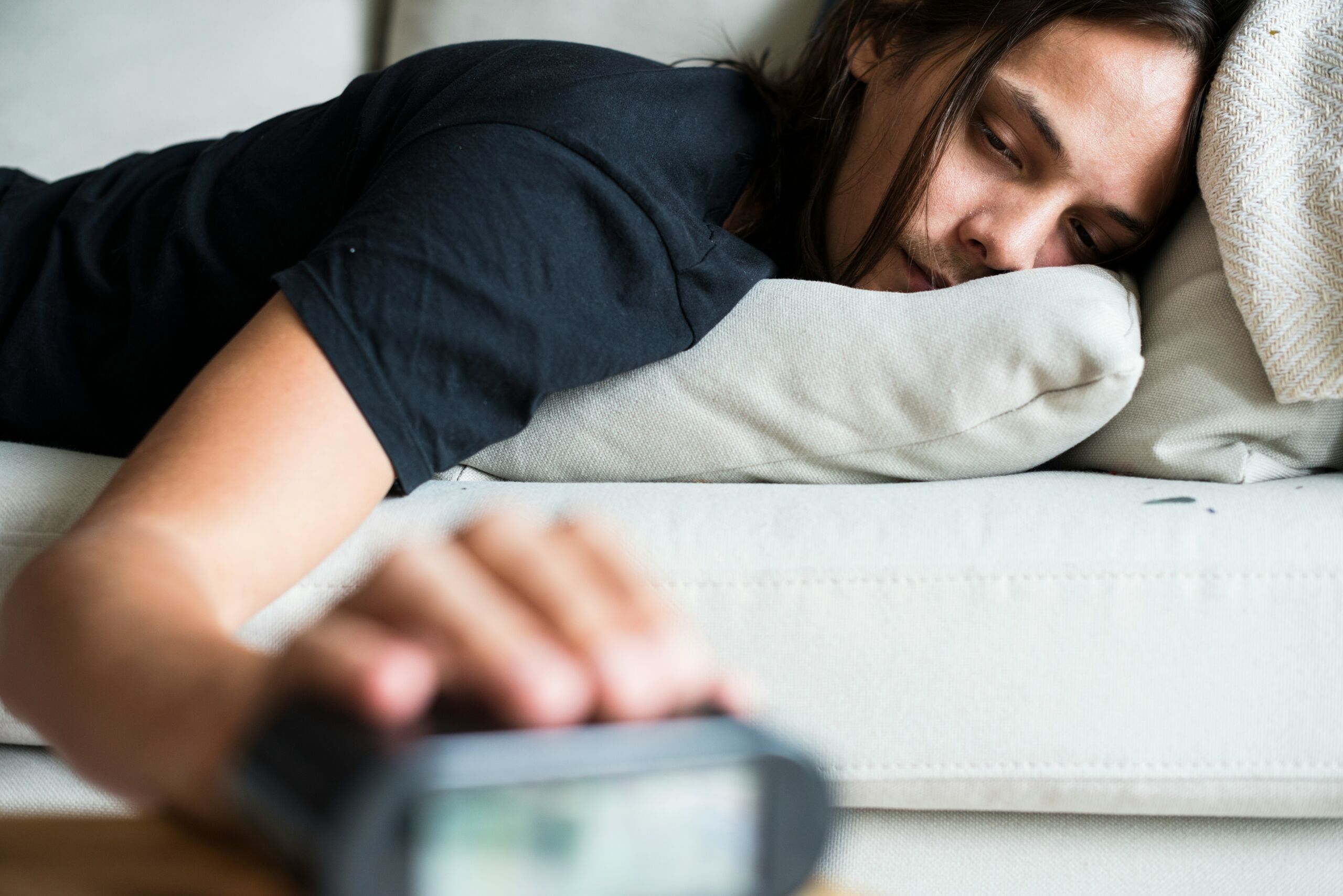
Most people who struggle with disrupted sleep have already tried the obvious fixes. They’ve cut back on coffee, put their phone across the room, and made peace with an earlier bedtime. and yet they still find themselves wide awake at 2 or 3 in the morning, staring at the ceiling and wondering what they’re missing.
The frustrating truth is that the most common culprits behind fragmented sleep aren’t the ones that get talked about most. They’re the habits and patterns that seem completely unrelated to sleep and are easy to overlook.
Your Body Is Running a Different Clock Than You Think
Before getting into the specific triggers, it helps to understand why nighttime wakeups tend to happen when they do. Sleep isn’t a single sustained state, it’s more a series of 90-minute cycles that move between lighter and deeper stages throughout the night. In the early hours of the morning, typically between 2 and 4 a.m., your sleep naturally shifts toward lighter stages, and your body undergoes a subtle hormonal transition as it begins preparing for the day ahead.
Cortisol, the hormone associated with alertness and stress response, starts to rise during this window, which is completely normal and necessary. The problem arises when anything else is also pulling in the same direction, amplifying that natural shift into a full awakening that you can’t easily reverse.
The Evening Glass of Wine
Alcohol is one of the most misunderstood sleep disruptors there is, largely because its initial effects feel genuinely relaxing. A glass of wine in the evening can make falling asleep easier, which reinforces the idea that it’s helping, but what happens several hours later tells a different story. As your body metabolizes alcohol through the night, it creates a rebound effect that increases heart rate, suppresses REM sleep, and elevates body temperature, all of which tend to land squarely in that vulnerable early-morning sleep window.
Many people who experience regular 3 a.m. wakeups and consider themselves moderate drinkers never connect the two, simply because the timing feels so disconnected from when they had that drink.
Unfinished Mental Business
This one is subtler than it might sound. It’s not just that stress keeps you awake, it’s that your brain has a strong tendency to schedule its unfinished processing for the quiet hours when nothing else is competing for its attention. Psychologists sometimes call this “the rehearsal loop,” and it’s especially common in people who are conscientious, detail-oriented, or going through any period of sustained pressure. The mental replay of tomorrow’s difficult conversation or last week’s unresolved problem is your brain genuinely trying to work something out, and the stillness of the middle of the night feels like a good time to do it. Keeping a small notebook on your nightstand and spending just five minutes before sleep writing down lingering thoughts, worries, or tomorrow’s priorities can interrupt this cycle.
Blood Sugar Drops You Don’t Notice During the Day
Overnight blood sugar fluctuations are a surprisingly common driver of early-morning wakeups, and they’re especially relevant for anyone who eats dinner on the earlier side, exercises in the evening, or tends to skimp on protein throughout the day. When blood sugar dips too low during sleep, the body responds by releasing adrenaline and cortisol to bring it back up, a process that tends to drag you straight out of sleep in the process. The tricky part is that this often doesn’t feel like a blood sugar issue when it wakes you; it just feels like sudden, inexplicable alertness, sometimes accompanied by a racing heart or a vague sense of anxiety.
A small snack before bed that combines a little protein with a slow-digesting carbohydrate, something like a few whole-grain crackers with nut butter, can make a meaningful difference for people who recognize this pattern in themselves.
Your Medications May Be Part of the Problem
A number of commonly prescribed medications have sleep disruption listed as a side effect, not because they’re doing anything wrong, but simply because of how they interact with the body’s chemistry. Beta-blockers, which are widely prescribed for blood pressure and heart conditions, are known to suppress melatonin production and can cause vivid dreams or early waking. Certain antidepressants, diuretics taken in the evening, and even some over-the-counter antihistamines can shift sleep architecture in ways that aren’t immediately obvious. If you’ve noticed that your sleep changed after starting a new medication and haven’t yet brought it up with your doctor, that conversation is worth having, since there’s often timing adjustments or alternatives that can help.
The Subtle Stress of Sleeping Next to Someone
Shared sleep is one of those topics that’s surprisingly under-discussed given how much it affects sleep quality. A partner who runs warm, snores intermittently, shifts positions, or simply has a different natural sleep rhythm can introduce just enough disruption to push a light sleeper awake. This doesn’t mean sleeping separately is the only solution, though for some couples it genuinely is the right answer and a far more common one than people admit.
Earplugs, a white noise machine, separate blankets, and adjusting room temperature can all help reduce the friction that a shared sleep environment creates, particularly for people who are naturally lighter sleepers or who have become more sensitive to disturbance with age.
You’re Sleeping Too Much, or at the Wrong Times
There’s a counterintuitive dynamic that many people who struggle with nighttime waking fall into: they compensate for a bad night by going to bed earlier, sleeping in later, or napping more during the day, and in doing so they inadvertently reduce what sleep researchers call “sleep pressure”, the natural build-up of the drive to sleep that accumulates across waking hours.
When that pressure is lower because you’ve already gotten some sleep during the day or added extra hours at the margins, your sleep at night becomes shallower and more fragmented. Keeping a relatively consistent wake time even after a difficult night, limiting naps to around 20 minutes and keeping them before mid-afternoon, and resisting the urge to go to bed too early can actually consolidate your sleep and reduce the frequency of those unwanted wakeups over time.
When You Do Wake Up, What You Do Next Matters
Even with the best habits in place, occasional middle-of-the-night waking is a normal part of sleep for most adults. Checking the clock is one of the most counterproductive things you can do in that moment. Seeing the time tends to trigger a cascade of mental calculation about how much sleep you still have time to get, which activates exactly the kind of alertness you’re trying to avoid. Keeping the room dark, breathing slowly and deliberately, and consciously relaxing the body from the jaw downward can help most people drift back within a few minutes. If sleep doesn’t come after about 20 minutes, getting up briefly and sitting quietly in dim light until drowsiness returns is generally more effective than lying in bed growing increasingly frustrated.
The through line in all of this is that sleep responds to your whole life and not just what you do in the hour before bed. The habits, rhythms, and choices spread across your entire day have more influence over the quality of your nights than most people realize, and often the fix for a persistent sleep problem is hiding in the last place you’d think to look.