Most people picture a heart attack the same way: sudden, dramatic, and unmistakable. Someone clutches their chest, struggles to breathe, and immediately knows something is wrong.
While that image isn’t entirely inaccurate, it’s incomplete. The classic heart attack symptoms people often recognize were largely based on how heart attacks present in men. For many women, the experience can look very different.
Heart disease is the leading cause of death among women in the United States, claiming more lives each year than all forms of cancer combined. Yet women are more likely than men to have a heart attack go unrecognized, both by themselves and sometimes by healthcare providers.
One reason is that the warning signs in women are often less obvious and easier to dismiss. Understanding these symptoms can help women recognize when something may be wrong.
1. Unusual or Extreme Fatigue
One of the most commonly reported symptoms among women is sudden, overwhelming fatigue in the days or weeks leading up to a heart attack.
This isn’t typical tiredness from a busy schedule. Many women describe it as exhaustion that feels disproportionate to their activity level, sometimes making routine tasks feel unusually difficult.
2. Nausea or Digestive Upset
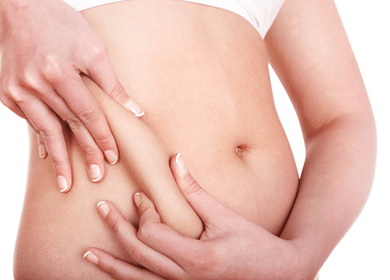
Some women experience nausea, indigestion, or stomach discomfort during a heart attack. Because these symptoms resemble common digestive issues like heartburn or food poisoning, they are often dismissed.
In some cases, this stomach discomfort can occur without any noticeable chest pain, making the connection to heart problems even less obvious.
3. Pain in the Jaw, Neck, or Upper Back
Heart attack pain in women may appear in unexpected parts of the body, particularly the jaw, neck, shoulders, or upper back.
This discomfort may feel like pressure, tightness, or aching rather than the intense chest pain people often associate with heart attacks.
4. Shortness of Breath
Sudden shortness of breath, especially when it occurs without exertion, can be another warning sign.
Some women notice they feel winded during simple activities or even while resting. This symptom may appear on its own or alongside other warning signs.
5. Lightheadedness or Dizziness
Feeling dizzy, faint, or unusually lightheaded can also occur during a heart attack. This may be accompanied by a general feeling that something isn’t right, even if the cause isn’t immediately clear.
Because dizziness can be linked to many everyday conditions, it’s easy to overlook as a potential cardiac symptom.
6. Pressure or Discomfort in the Chest
While chest pain is often considered the hallmark symptom of a heart attack, women sometimes experience it differently.
Instead of sharp pain, the sensation may feel more like pressure, tightness, squeezing, or fullness in the chest. In some cases, the discomfort may be mild or intermittent.
7. A General Sense of Feeling Unwell
Some women report a vague but persistent feeling that something is wrong, sometimes described as a sense of unease, weakness, or flu-like symptoms.
Because this feeling is difficult to describe and may not include severe pain, it can be easy to ignore.
Why Heart Attacks in Women Are Often Missed
These symptoms are sometimes described as “atypical,” but they are actually quite common in women. The challenge is that many of them resemble everyday health issues such as stress, fatigue, or digestive problems.
As a result, women are more likely to delay seeking medical care, often hoping the symptoms will pass or assuming they are unrelated to the heart.
Research has also found that women who arrive at emergency rooms with cardiac symptoms may experience longer delays before receiving certain tests, such as an electrocardiogram (EKG), compared with men reporting similar symptoms.
Younger women may face an additional challenge, as heart disease is still widely perceived as primarily affecting older men.
Why Early Treatment Matters
The sooner a heart attack is treated, the more heart muscle can be saved. Delays in recognizing symptoms can increase the risk of complications and long-term heart damage.
Studies have found that women often experience longer delays between the start of symptoms and receiving treatment, which can contribute to poorer outcomes after a heart attack.
When to Seek Medical Help
The most important takeaway is simple: don’t ignore symptoms that feel unusual or concerning.
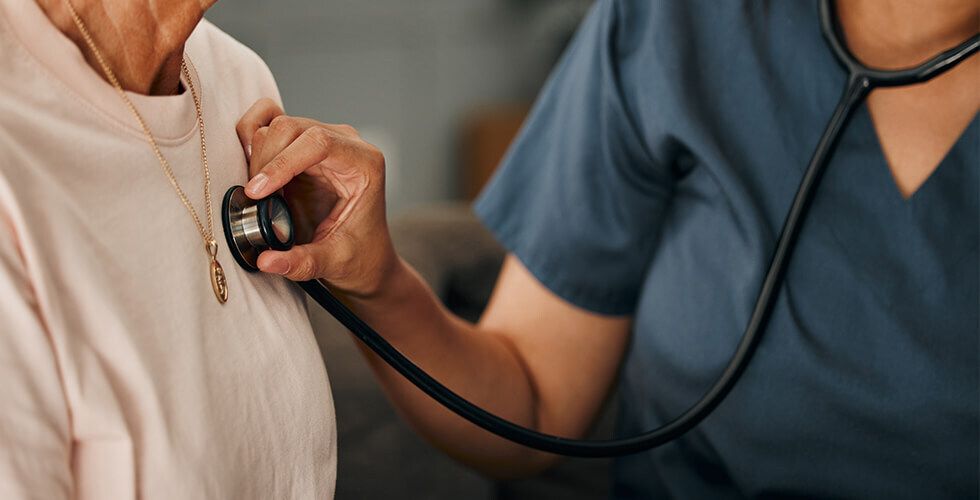
If you experience possible heart attack symptoms—especially several at the same time—seek medical attention immediately. It’s always better to have symptoms evaluated and discover it’s not a heart problem than to delay care during a cardiac emergency.
Heart disease is not just a men’s health issue. Being aware of how heart attack symptoms can appear in women may help more people recognize the warning signs and get treatment when it matters most.