
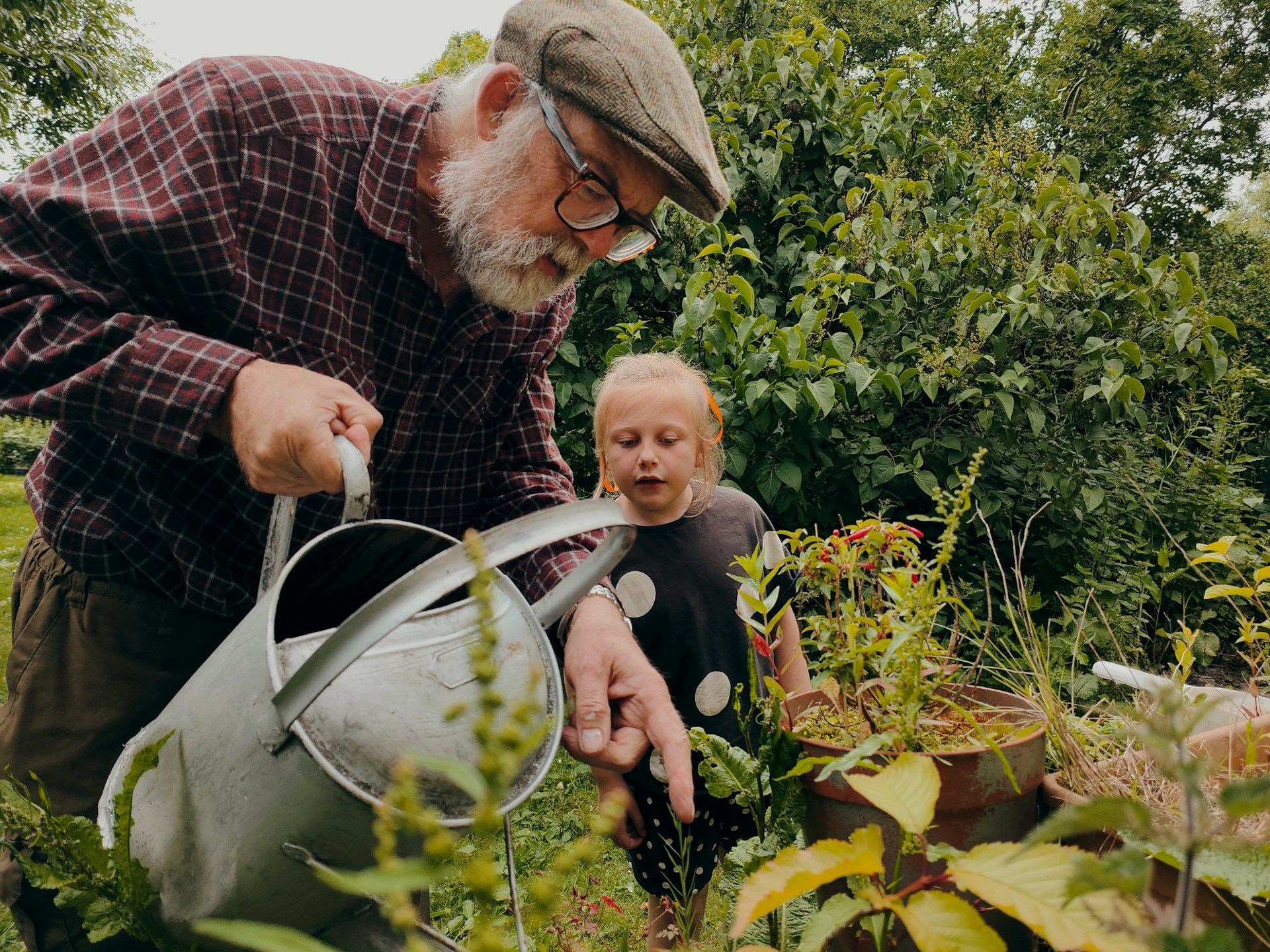
Many gardeners have experienced it: you spend some time outside pulling weeds, watering plants, or tending vegetables, and by the time you come back inside, you feel noticeably calmer.
What might feel like a coincidence actually has some scientific backing. Researchers have been studying the connection between gardening and mental health, and a growing body of evidence suggests that spending time in the garden may help improve mood and reduce symptoms of stress and depression.
Here are several reasons gardening appears to have such a positive effect on mental well-being.
1. Soil Bacteria May Influence Mood
Healthy soil contains a bacterium called Mycobacterium vaccae, which researchers have found may influence brain chemistry.
Studies involving laboratory animals suggest exposure to this bacterium can stimulate the production of serotonin, a neurotransmitter associated with mood regulation and emotional well-being. Serotonin is also the brain chemical targeted by many antidepressant medications.
Gardeners may encounter these bacteria while digging in soil, breathing in dust particles, or through small cuts in the skin. While scientists are still studying exactly how this process works in humans, the findings have sparked interest in the potential mental health benefits of spending time in soil.
2. Gardening Provides Gentle Physical Activity
Gardening involves activities like digging, planting, kneeling, and carrying tools or soil. While it may not feel like formal exercise, it still counts as moderate physical activity.
Exercise is one of the most well-documented lifestyle factors associated with improved mood and reduced symptoms of depression. Gardening offers a way to stay active without the structure of a gym workout.
3. Sunlight Supports Vitamin D Levels
Spending time outdoors exposes the body to natural sunlight, which helps produce vitamin D.
Low vitamin D levels have been linked to an increased risk of depression and mood disorders in some studies. Time outside in the garden may help support healthy levels, especially for people who spend much of their day indoors.
4. Gardening Encourages Focus and Stress Relief
Gardening naturally encourages people to focus on simple, hands-on tasks. Activities like planting seeds, pruning plants, or watering beds can help shift attention away from daily worries.
Researchers sometimes describe this as a “restorative attention” effect, where spending time in natural environments allows the brain to recover from mental fatigue and stress.
5. Growing Plants Creates a Sense of Reward
Gardening also offers a series of small, meaningful rewards.
Seeds sprout, flowers bloom, and vegetables ripen over time. These milestones provide a steady sense of progress and accomplishment that can help reinforce positive feelings.
Some studies of community gardening programs have even found improvements in participants’ mood and overall well-being compared with people who were not actively involved.
Why Researchers Are Paying More Attention to Gardening
Interest in gardening’s mental health benefits has increased as rates of depression and anxiety have risen in recent years.
While gardening is not a replacement for medical care or therapy, some researchers believe it may serve as a helpful lifestyle activity that supports mental well-being alongside other treatments.
Unlike many interventions, gardening is relatively accessible, low-cost, and easy to maintain as a long-term habit.
For many people, gardening is simply an enjoyable hobby. But science suggests it may also support mental health in several ways—from physical activity and sunlight exposure to the calming effects of working with plants.
And while the exact mechanisms are still being studied, one thing is clear: spending time in the garden can do more than just grow plants.
