
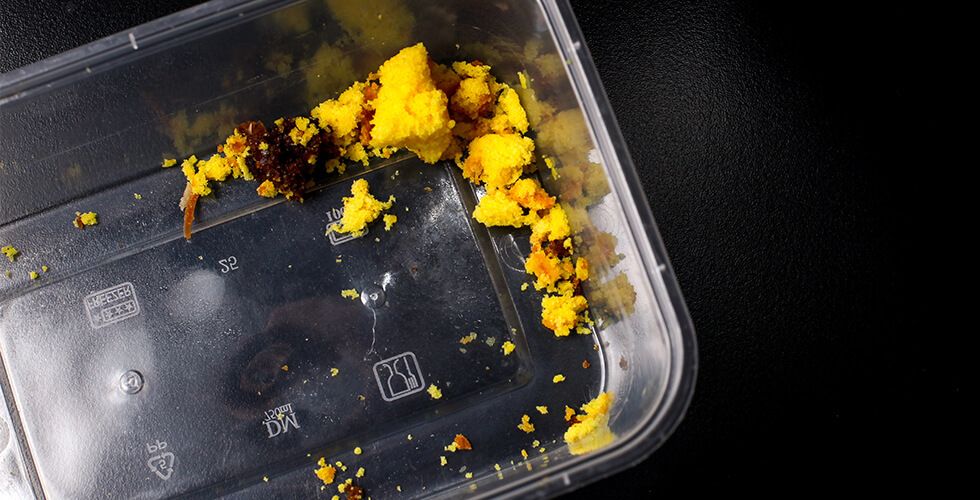
Ever flipped over your food container and noticed a tiny triangle with a number and a couple of letters? That hidden two-letter code could tell you whether you’re storing leftovers in a safe container — or leaching hidden toxins into your food.
Look for containers labeled “PP” (polypropylene) or “PE” (polyethylene). These are among the safest plastics for food contact — heat-resistant, BPA-free, and less likely to release harmful chemicals when reused or heated in the microwave. You’ll often see PP marked with recycling number 5 and PE marked as HDPE (2) or LDPE (4).
But not all plastics are created equal. PET (number 1) is suitable for single-use applications — such as disposable water bottles — but not for repeat refills. Older plastics labeled 3 (PVC), 6 (Polystyrene), and 7 (Other) should raise red flags. PVC can release dangerous chemicals like lead and vinyl chloride, while Polystyrene (think foam cups) can leach styrene, which may affect your nervous system. Number 7 is a wild card — often containing BPA, a hormone disruptor linked to cancers, infertility, and developmental problems.
Experts say that heating plastic — even so-called “microwave-safe” containers — accelerates chemical leaching. Scrubbing old containers or storing acidic foods like tomato sauce can accelerate the breakdown of plastic, releasing microplastics and chemicals you don’t want in your dinner.
Environmental health researchers recommend replacing older containers — those made from obvious, hard plastics before 2010 — with newer, BPA-free options. Better yet, opt for glass or stainless steel for added peace of mind. And never reuse single-use plastic bottles.
Next time you pack up leftovers, flip your container over — that tiny triangle might hold the key to safer storage and a healthier home.