
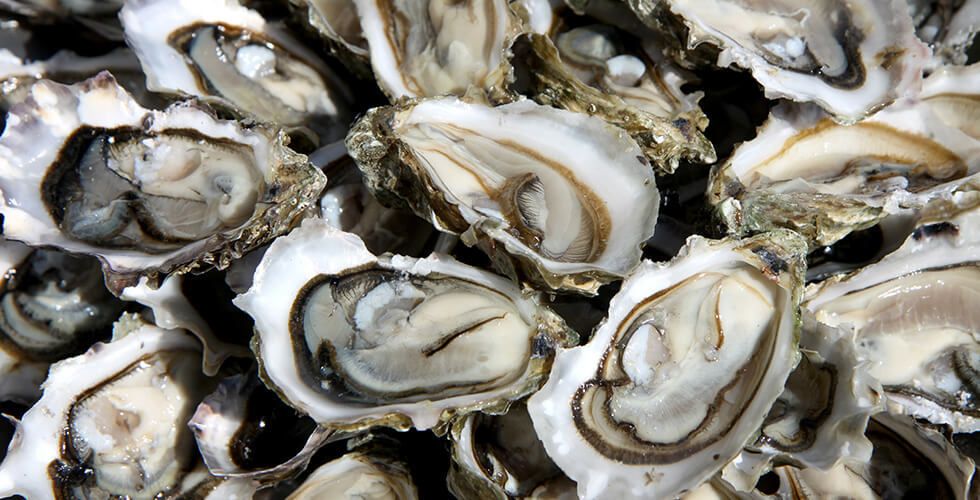
Louisiana’s beloved oysters are under scrutiny after two more people died from infections linked to the flesh-eating bacteria Vibrio vulnificus. Health officials confirmed that both deaths were tied to oysters harvested in Louisiana and later served at restaurants—one in the state and another in Florida.
The numbers are climbing fast: in 2025 alone, 34 infections and six deaths have been reported, making this the deadliest year in over a decade. “It’s just prolific right now,” said Jennifer Armentor of the Louisiana Department of Health.
Seafood businesses stress that safeguards are in place. George Shaheen, CEO of Jones Creek Cafe & Oyster Bar, explained that the state’s system requires strict cooperation between fishermen, the Department of Health, and restaurants. Each sack of oysters carries a ticket showing when and where it was harvested, allowing investigators to trace any outbreak within hours. Restaurants must keep these records for 90 days and face inspections every 120 days.
Shaheen, who has run his business for nearly 40 years, says modern methods—such as growing oysters on limestone rather than in marsh mud—produce cleaner harvests. Still, the risk remains. State law requires oyster bars to post visible warnings about eating raw seafood, since bacteria can thrive inside the shellfish.
Bartenders and customers at Jones Creek echoed this cautious trust. “You never know what’s in the ocean,” said bartender Amanda Steele, noting that warnings are essential for consumer safety. Longtime customer Larry Campagna added, “I eat them both ways, but I trust my local oyster bars.”
While locals continue to enjoy oysters as part of Louisiana’s cultural identity, the recent deaths underscore a sobering truth: even with modern safety measures, raw seafood carries risks that diners can’t afford to ignore.