
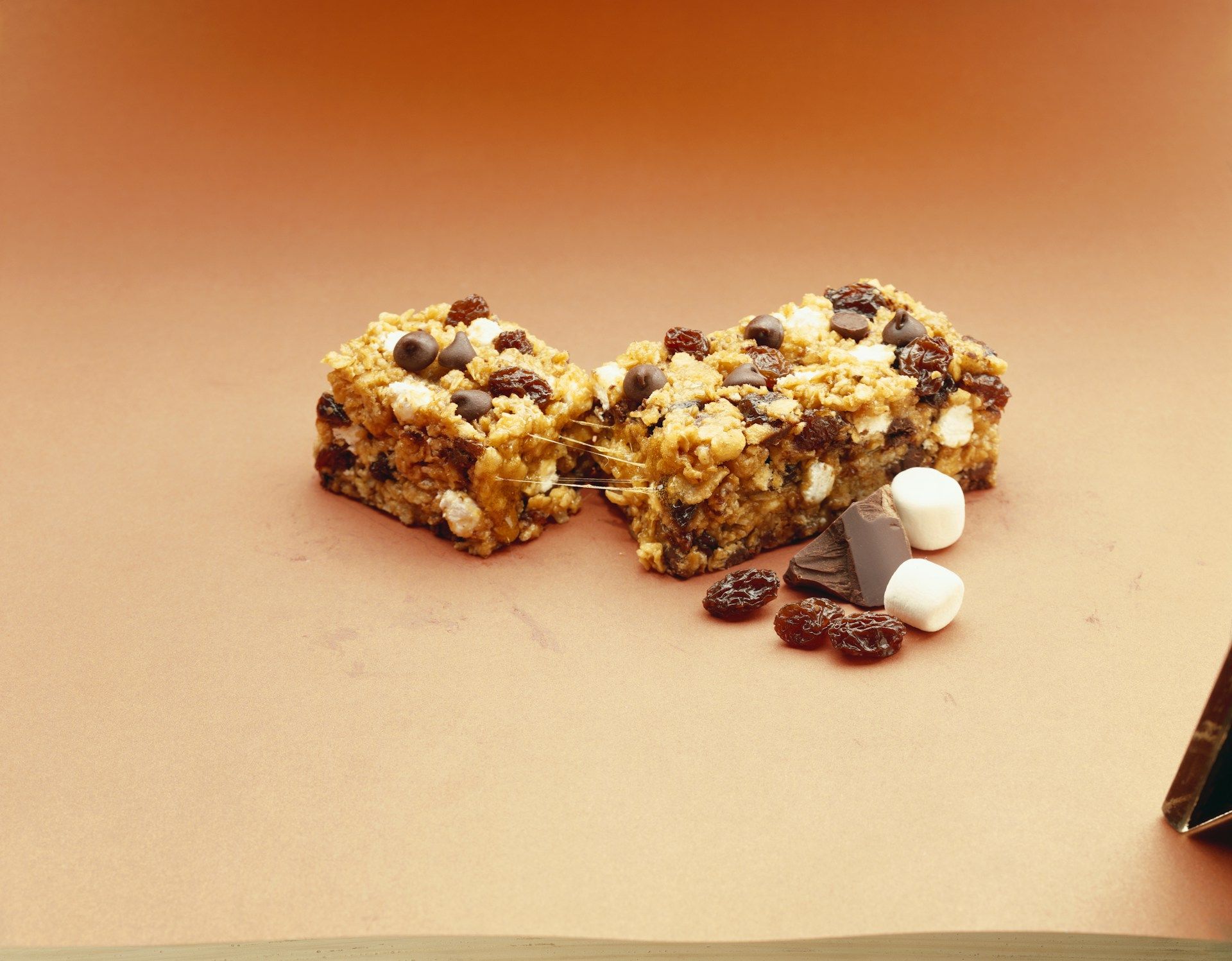
Protein bars have become one of the most popular grab-and-go snacks. They’re marketed as convenient, high-protein, and often positioned as a healthier alternative to cookies or candy.
But if you’ve ever eaten one and still felt hungry an hour later—or noticed the ingredient list looks more like a chemistry experiment than food—you’re not alone.
Many dietitians and nutritionists say protein bars can be useful in certain situations, like during travel or after a workout. However, they also point out that many popular bars are more processed and less nutritious than people expect.
Here are six reasons protein bars may not always live up to their healthy reputation.
1. Some Contain as Much Sugar as Candy
While protein bars are often marketed as healthy snacks, many contain 10–20 grams of sugar or more.
That’s comparable to some candy bars.
Even bars labeled “natural” or “energy bars” may use sweeteners like brown rice syrup, cane sugar, or honey in large amounts to improve taste. Too much added sugar can lead to energy spikes followed by crashes that leave you feeling tired and hungry again.
2. They’re Often Highly Processed
Many protein bars fall into the category of ultra-processed foods.
Instead of whole ingredients, they often rely on protein isolates, syrups, emulsifiers, and stabilizers to create their texture and extend shelf life.
Nutritionists frequently emphasize that whole foods—like nuts, eggs, yogurt, and beans—provide protein along with vitamins, minerals, and fiber that highly processed snacks may lack.
3. Sugar Alcohols Can Cause Digestive Problems
To reduce sugar, some protein bars use sugar alcohols such as erythritol, maltitol, or sorbitol.
While these sweeteners contain fewer calories than sugar, they can cause bloating, gas, or stomach discomfort for some people, especially when consumed in larger amounts.
This is one reason many dietitians suggest reading ingredient labels carefully when choosing a protein bar.
4. They May Not Keep You Full
Despite their name, protein bars don’t always contain enough protein and fiber together to keep you satisfied.
Some bars contain only moderate amounts of protein but rely heavily on carbohydrates or sweeteners for flavor. Without enough fiber or healthy fats, the snack may digest quickly, leaving you hungry again soon afterward.
This can make it easier to overeat later in the day.
5. Calories Can Add Up Quickly
Some protein bars contain 300 to 400 calories, which is closer to the calorie count of a small meal.
That may make sense after intense exercise, but if you’re simply looking for a quick snack, those calories can add up quickly—especially if you eat one in addition to regular meals.
6. Whole Foods Often Provide Better Nutrition
Nutrition experts often recommend prioritizing whole food sources of protein whenever possible.
Foods like:
- Greek yogurt
- Eggs
- Nuts and seeds
- Cottage cheese
- Beans and lentils
Provide protein along with other nutrients like fiber, vitamins, and minerals.
Protein bars can still be useful for convenience, but many dietitians view them as an occasional option rather than a daily staple.
Protein bars aren’t necessarily unhealthy—but they aren’t always the nutritional powerhouse they’re marketed to be.
Many contain added sugars, processed ingredients, and fewer nutrients than whole foods. That’s why some nutritionists recommend using them strategically, such as during travel or after workouts, rather than relying on them as an everyday snack.
Reading ingredient labels and choosing bars with simpler ingredients, moderate sugar, and adequate protein can help you find better options.