
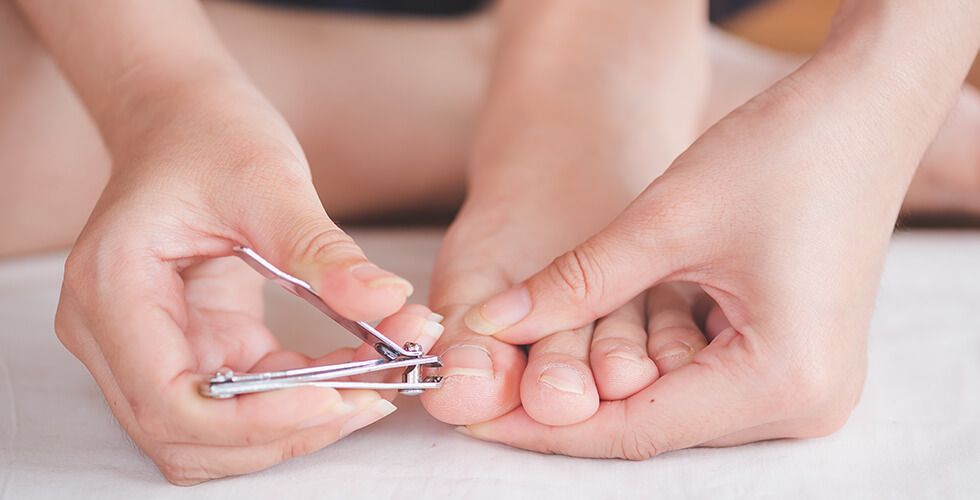
Ingrown toenails might seem like a minor annoyance, but left untreated, they can lead to serious complications. Most commonly affecting the big toe, an ingrown toenail occurs when the edge of the nail grows into the surrounding skin. This can cause redness, swelling, pain, and even infection. In severe cases, the area may become pus-filled or require surgical intervention.
People with diabetes, poor circulation, or weakened immune systems are at particular risk, as a simple ingrown nail can quickly spiral into a more serious condition like cellulitis or a bone infection. That’s why proper care and prevention are key.
To prevent ingrown toenails, always trim your nails straight across—never rounded or too short—as curving the corners encourages the nail to grow inward. Wear properly fitting shoes with enough toe room, and avoid tight socks or hosiery that compress the toes.
If you already have an ingrown toenail, soak your foot in warm water with Epsom salt for 15–20 minutes several times a day to reduce swelling and soften the skin. After washing, gently lift the nail edge with a clean cotton or dental floss if possible, but never force it. Apply an antibiotic ointment and keep the area clean and covered.
Avoid cutting the nail further or attempting DIY surgery. If pain worsens, signs of infection appear (such as pus, redness, or fever), or the condition doesn’t improve within a few days, consult a podiatrist. In some cases, minor outpatient procedures can permanently correct the problem.
With proper foot hygiene and early care, ingrown toenails don’t have to sideline your comfort or mobility. Treat them early, and treat them right.
