
Not Just Your Sheets: The One Bedding Item You’re Forgetting to Wash
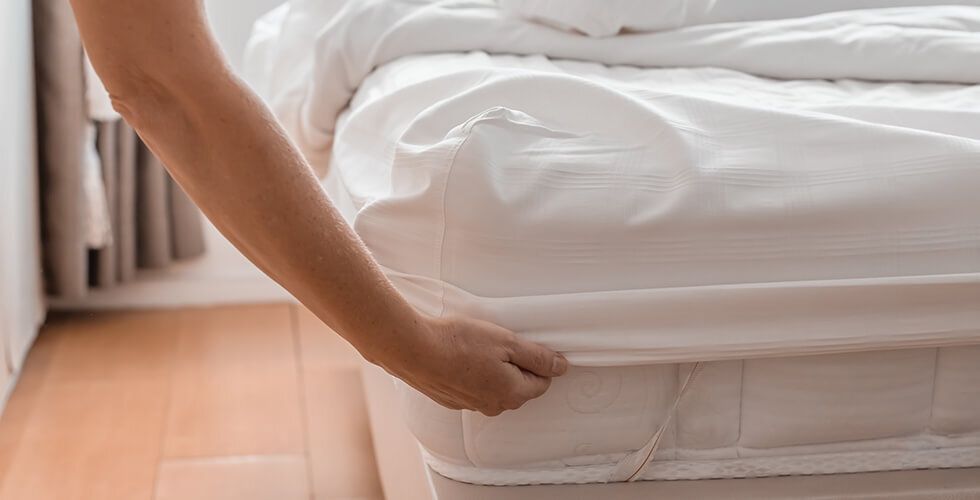
Most people regularly wash their sheets, but how often do you wash your mattress pad? If you're like many, the answer might be “almost never.” But research shows that skipping this step could affect more than just cleanliness—it could impact your health. Mattress pads act as a barrier between your body and your mattress, absorbing sweat, skin cells, body oils,...
Signs of Iron Deficiency—And How These 9 Fruits Can Help
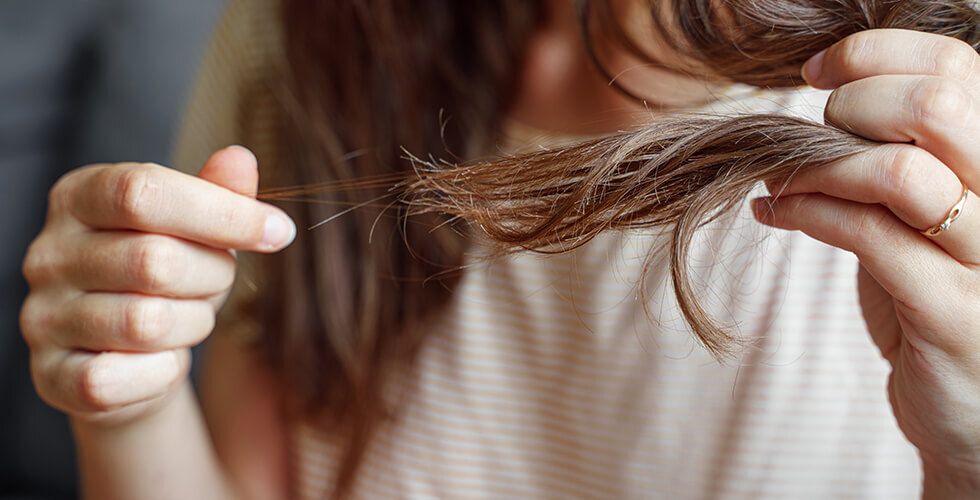
Iron deficiency is more common than you might think, especially among women under 50, pregnant individuals, vegetarians, and vegans. Your body needs iron to make hemoglobin, a protein in red blood cells that carries oxygen throughout the body. When you don’t get enough iron, you may feel constantly tired, weak, foggy, or even notice hair thinning or shortness of...
6 Dirty Secrets That Grocery Stores Don’t Want You To Know

It’s fair to say that modern capitalist ideals are the driving force behind today’s society. All the contemporary luxuries that we now enjoy — from fast, quiet cars to the deliciously comfy beds we rest our weary heads on every night — are the result of that constant corporate push to achieve maximum profits with minimum loss. When we examine...
Everything You Need to Know About NAD Supplements
NAD, short for nicotinamide adenine dinucleotide, is quickly becoming a buzzword in the health and wellness world—and for good reason. This vital molecule is key in keeping our cells energized and functioning properly. It helps convert food into energy, supports DNA repair, and even assists with immune health. As we age, our NAD+ levels naturally decline, which can impact...
Can’t Sleep? A “Stuffie” Might Be Just What You Need
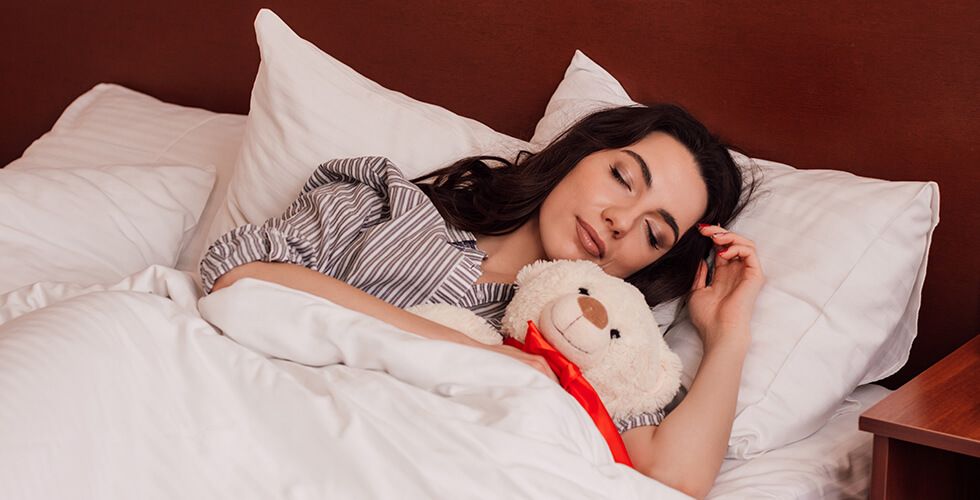
Think stuffed animals are just for kids? Think again. Experts say adults can benefit from cuddling a plush companion, which might even help you sleep better. More and more grown-ups are embracing stuffed animals, and for good reason. They’re cozy, comforting, and can ease anxiety at bedtime. During the pandemic, plush toy sales soared—21% of all plush sold in 2024...
The Barefoot Boom: Why More People Are Ditching Shoes for Health and Connection
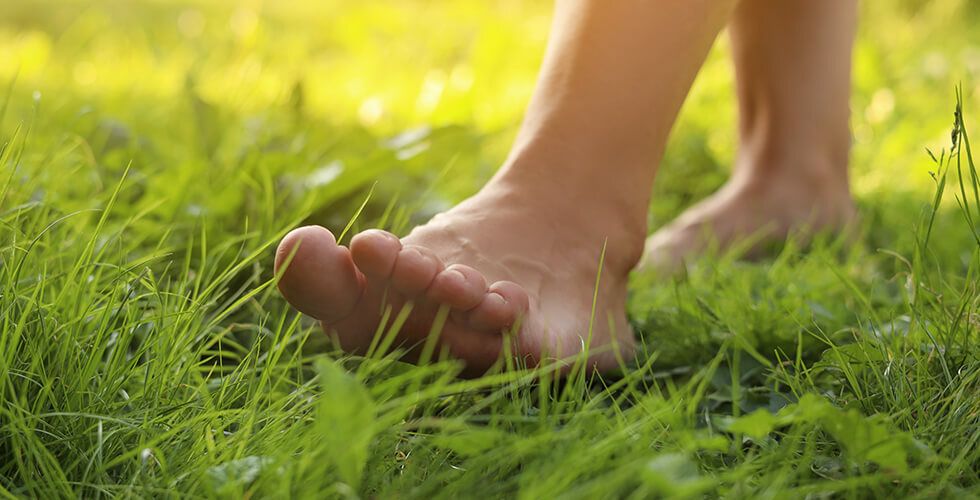
In a surprising shift toward natural wellness, walking barefoot—also known as “earthing” or “grounding”—is stepping into the spotlight. From wellness influencers to podiatrists, the barefoot movement is gaining traction as research and anecdotal reports suggest that ditching shoes, at least occasionally, may offer a wide range of health benefits. Reconnecting from the Ground Up Proponents of barefoot walking argue that while...
The Rise of Wellness Rooms: Why Self-Care Spaces Are the New Must-Have at Home
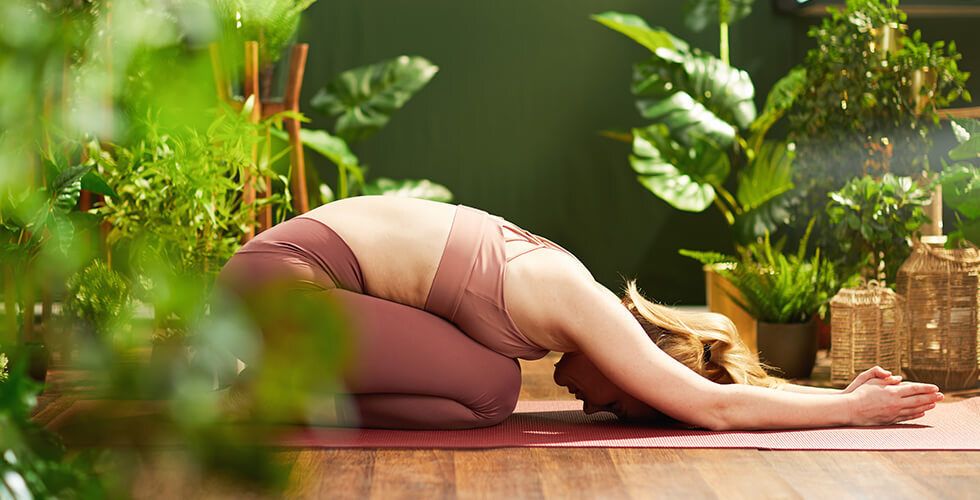
What started as a lockdown trend—converting rooms into home offices or makeshift gyms—has evolved into something deeper: the wellness room. And no, it’s not just a room with a yoga mat. These spaces are now the ultimate self-care sanctuaries, designed to calm the mind, heal the body, and soothe the soul. Designers nationwide are seeing a spike in requests for...
Protein Is Everywhere: But Is It Actually Helping Your Health?

Protein has become the golden child of the nutrition world. It’s in your yogurt, coffee, and chocolate bars. Fitness influencers swear by it, and food companies can’t seem to add enough of it. But is this protein craze actually doing us any good? There’s no doubt that protein is essential—it helps build muscle, supports your immune system, and keeps you...
Saving the Manatees Means Saving Florida’s Waters—Before It’s Too Late

Florida's waterways, particularly the Indian River Lagoon, have become ground zero for an environmental crisis devastating the manatee population. Rampant pollution has decimated seagrass beds—the primary food source for these gentle giants—resulting in unprecedented starvation and mortality rates. The Root of the Crisis Over the past decade, Florida has lost more than 89,000 acres of seagrass, with the Indian River...
Why Deep Sleep Matters: Protecting Your Brain from Alzheimer’s
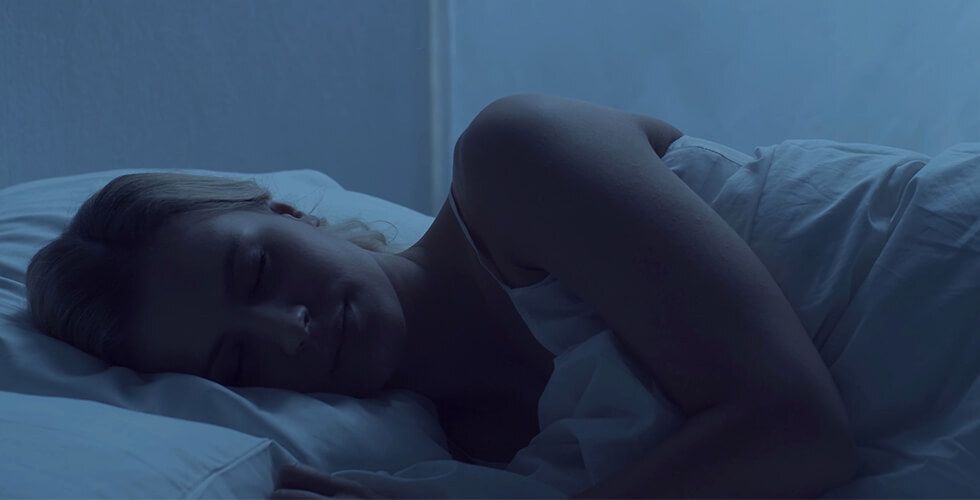
Not all sleep is created equal, especially when it comes to protecting your brain. A new study published in the Journal of Clinical Sleep Medicine has revealed that getting less slow-wave sleep (deep sleep) and REM sleep is linked to smaller brain volume in key areas vulnerable to Alzheimer’s disease. Researchers analyzed sleep studies and brain imaging data from 270...
