I used to think blood pressure was a problem you dealt with after something scary happened.
Then my readings started creeping up.
Nothing dramatic. No obvious symptoms. Just a nagging pattern that turned routine moments into quiet stress: the pharmacy kiosk, the at-home monitor that sometimes read fine and sometimes read not fine.
And because high blood pressure often has no obvious symptoms, it is easy to shrug off until it is not.
The part no one talks about: the mental load of “numbers”
If you’ve ever watched the cuff inflate and felt your chest tighten, you know the feeling.
The CDC is blunt about the stakes: having high blood pressure increases risk for heart disease and stroke, and it is tied to a massive number of deaths in the U.S.
That reality can lead to two common reactions:
- Overcorrecting (cutting out everything fun, obsessing over every meal)
- Avoiding it (skipping measurements because you do not want to see the result)
I tried both. Neither felt sustainable.
Why the usual fixes don’t feel like a real plan
The advice is not wrong. It is just incomplete in the real world.
You’ll hear: “Eat better, move more, reduce salt.” All valid. The American Heart Association supports a heart-healthy eating pattern rich in fruits, vegetables, whole grains, and lower sodium and added sugars. The NIH’s DASH eating plan is built around those same fundamentals and is widely recommended for blood pressure support.
But here’s what I ran into:
- Lifestyle changes require consistency, and life is not consistent.
- Some “quick hacks” get overhyped. Even Johns Hopkins notes that things like beet juice are often touted, but overall diet and lifestyle changes are the best long-term approach.
- And if you’re already on medication, side effects can be part of the conversation. Dizziness and lightheadedness are common enough to show up in reputable medication guidance.
So the question became: How do you make the right basics easier to actually follow?
The 4 pressure points that made my routine finally feel doable
This is the part I wish someone had handed me earlier. Not hype, just practical levers that reduce friction.
1) Make your readings trustworthy (or you’re reacting to noise)
One reading is a snapshot. Trends are the story.
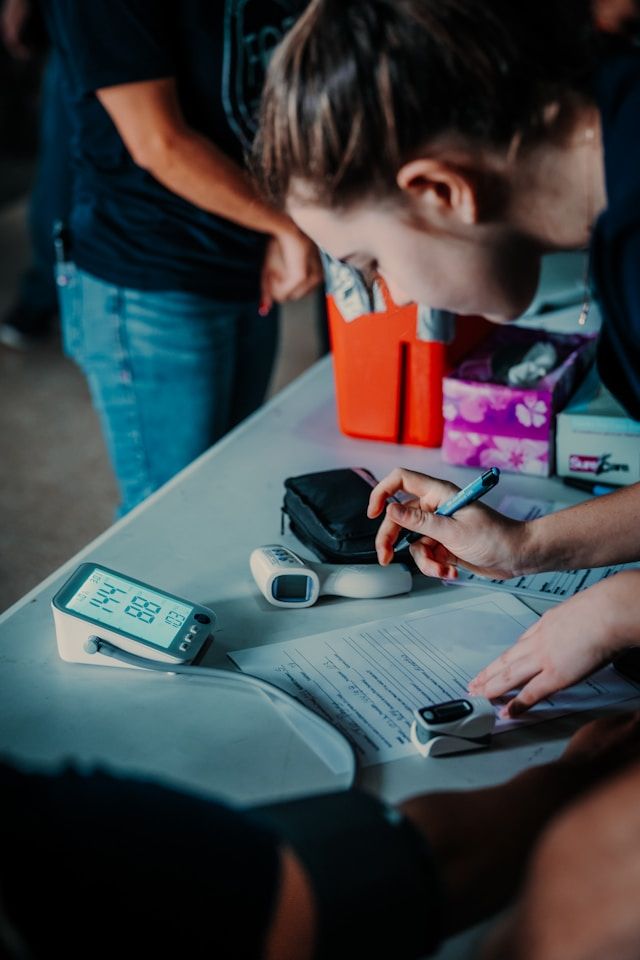
The American Heart Association’s home-monitoring guidance emphasizes measuring at home and keeping a log to share with your clinician. And their measurement instructions highlight the boring details that matter: avoid caffeine, alcohol, smoking, and exercise beforehand, sit quietly for 5+ minutes, use the right cuff size, and take multiple readings.
My simple rule: if I did not follow the setup, I didn’t emotionally believe the number.
2) Treat sodium like a budget, not a villain
Johns Hopkins points out that sodium encourages fluid retention, which can raise blood pressure. The AHA recommends limiting sodium as part of a heart-healthy diet.
Instead of trying to be perfect, I aimed for one consistent habit:
- Pick 2–3 default meals you can rotate that are naturally lower sodium.
- Read labels for your usual staples and swap the worst offenders.
This removed the daily decision fatigue.
3) Build the “DASH skeleton,” then personalize
DASH works in part because it’s not fancy. It’s a structure: more fruits and vegetables, whole grains, lean proteins, beans and nuts, and less saturated fat and excess sodium.
What helped me was not “going on DASH,” but borrowing its skeleton:
- Add a fruit or vegetable to breakfast
- Make lunch protein + fiber-focused
- Keep snacks simple (nuts, yogurt, fruit)
- Make dinner half vegetables when possible
It is less about being strict and more about being repetitive.
4) Don’t ignore the “tightening” effect of stress and fatigue
If your day is chaotic, your body often reflects it.
Even if you do everything else right, poor sleep, constant stress, and irregular movement can keep you feeling like you are fighting upstream. The Mayo Clinic emphasizes that hypertension is often symptomless and can be serious, and recommends acting on your numbers with lifestyle and medical support as appropriate.
Two habits that reduced spikes for me:
- A 10–15 minute walk after meals when I could
- A short wind-down routine at night (same time, low light, no doom scrolling)
Not perfect, just consistent.
The “missing piece” I didn’t expect: simplifying the nutrition side
Here is where I landed after a month of tracking.
The basics matter most. But I also noticed that when my routine got busy, the nutrition fundamentals were the first thing to slide.
That is when I started looking for a simple, repeatable supplement routine that aligned with the same evidence-based themes people keep coming back to in blood pressure support: minerals and botanicals commonly discussed for cardiovascular wellness.
What I found: BP Zone (and why it fit the routine)
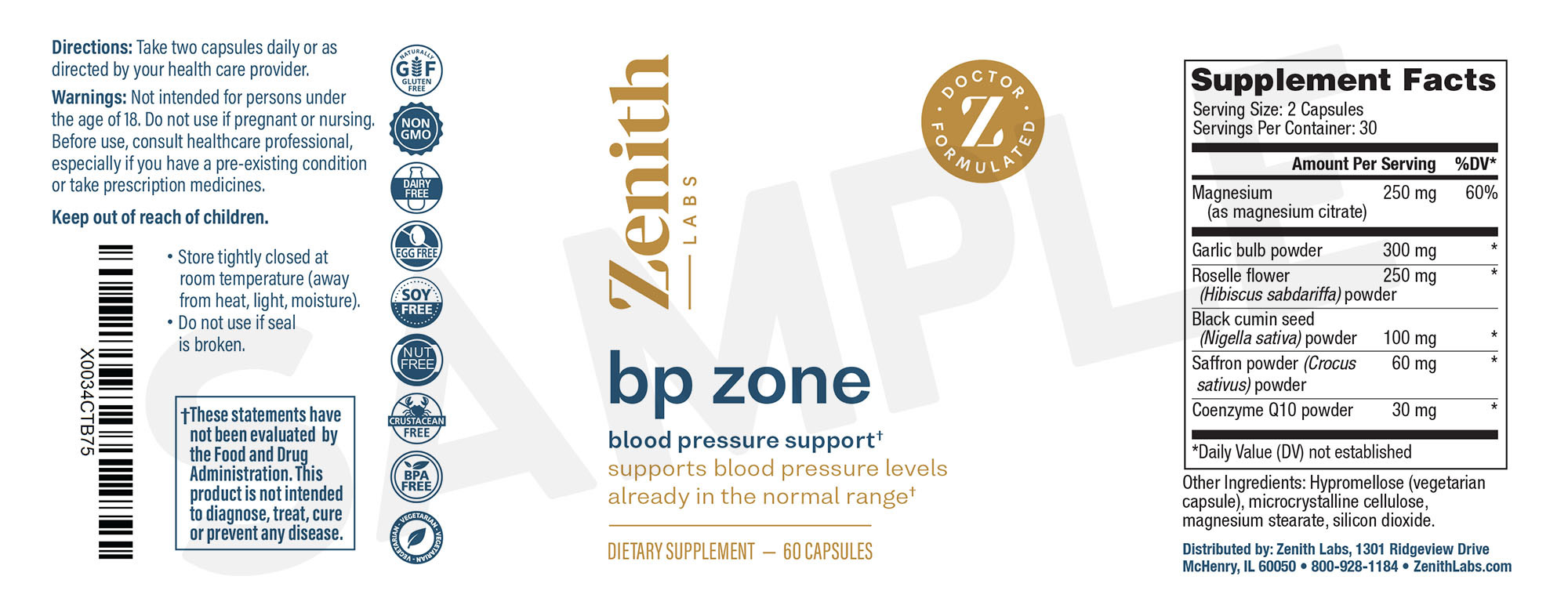
BP Zone is a Zenith Labs supplement positioned as “blood pressure support,” with the label specifically stating it is intended to support blood pressure levels already in the normal range.
The reason it caught my attention was not a flashy promise. It was the formulation style: a blend, taken daily, that matches the “reduce friction” goal.
According to the Supplement Facts panel, a 2-capsule serving includes: magnesium (as citrate), garlic bulb powder, hibiscus (roselle) flower powder, black cumin seed powder, saffron powder, and CoQ10.
If you’re the kind of person who has tried to piece together a routine from separate bottles and teas, you already understand the appeal: one daily habit that is easier to stick with.
If you want to learn more about BP Zone (ingredients, directions, reviews, and guarantee), you can check availability on the official product page.