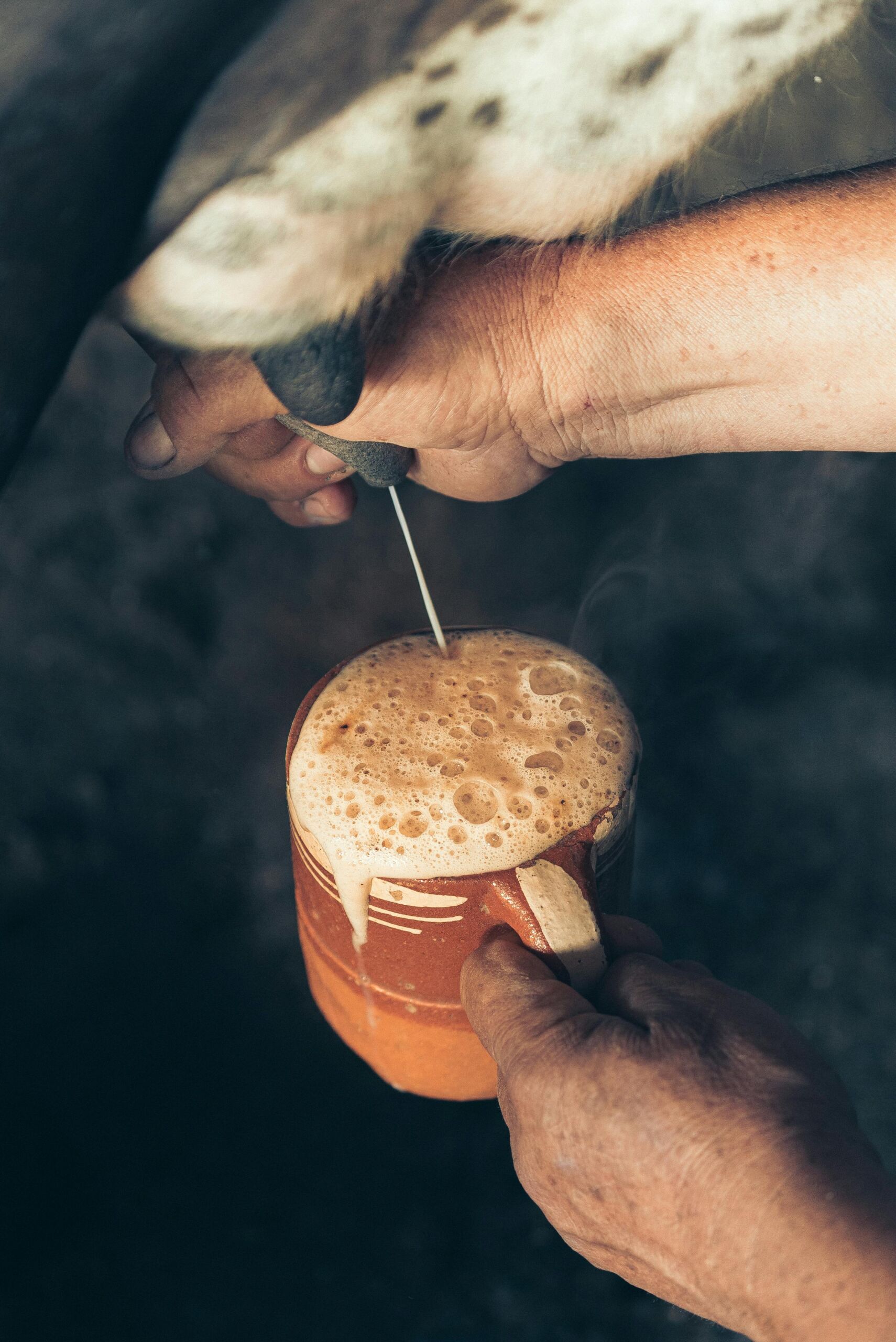
If you have ever eyed a bottle of raw milk at a farm stand while wondering whether it is legal or safe, you are not alone. Ohio lawmakers are considering a bill that would allow the sale of unpasteurized milk, a shift that puts consumer choice and small-farm economics up against long-standing public health warnings. The proposal revisits a debate that surfaces regularly in farm country and suburban farmers markets alike. Do adults deserve broader access with clear warnings, or do the risks to kids and other vulnerable people outweigh the benefits? The answer could shape what shows up in coolers from Columbus to rural counties across the state.
The News: What Ohio Is Weighing
Lawmakers have introduced a measure that would permit raw milk sales to consumers in Ohio. Details under discussion include whether sales would be limited to on-farm transactions or extended to farmers markets and retail stores, and whether restaurants and food service operations could serve raw dairy. The draft framework envisions producer registration, routine inspections, and testing for pathogens and indicators of sanitation, along with strict handling standards. Prominent labels would warn that the product is unpasteurized, may contain dangerous bacteria, and is not recommended for children, pregnant people, older adults, or anyone with a compromised immune system. Lawmakers are also considering age restrictions, batch records for traceability, rapid reporting of suspected illnesses, penalties for noncompliance, and a phase-in period to give regulators time to write rules.
Current Law: Herd Shares In, Retail Out
Ohio currently prohibits retail sales of raw milk, but it allows herd-share agreements. In a herd share, consumers purchase a fractional ownership stake in a cow or herd and receive milk as owners rather than buyers. State enforcement focuses on preventing retail transactions while tolerating herd shares that meet documentation and ownership standards. This arrangement has created a narrow legal pathway that already moves some raw milk quietly through the state. Supporters of the new bill say bringing these transactions into a regulated sales framework would improve transparency and consumer protections.
Why It Matters: Health vs. Choice and Local Economy
Public health officials warn that raw milk can carry pathogens such as Campylobacter, E. coli, Salmonella, and Listeria. Children are disproportionately affected in raw milk outbreaks and face higher risks of severe complications like kidney failure linked to E. coli O157. Nationally, hundreds of outbreaks in recent decades have been tied to raw milk and raw dairy products, and major health agencies advise against consumption. On the other hand, supporters argue that informed adults should be able to choose raw milk when labels are clear and safety practices are transparent. They also point to economic gains for small dairies, where direct sales can command higher margins than commodity milk and support agritourism.
What the Proposal Would Change
Beyond authorizing sales, the bill would likely require producers to register with state authorities and undergo routine inspections that verify sanitation and equipment standards. Regulators are expected to propose testing protocols for pathogens and somatic cell counts, with clear thresholds that trigger product holds or recalls. Labels would need to be prominent, plain-language warnings about who should avoid raw milk and why. Traceability is another focus, with batch records that allow quick communication if a problem arises, and obligations to report suspected illnesses. The measure would also maintain compliance with federal law by prohibiting interstate shipments while clarifying rules for in-state transport.
Supporters See Market Reality and Farm Survival
Proponents say raw milk already circulates through herd shares, and legalization would move it into a system that is easier to oversee. They argue that direct relationships between farmers and buyers allow quick outreach if a test fails or a consumer reports illness, which can strengthen traceability. For small dairies, raw milk can create a lifeline by lifting per-gallon revenue and drawing visitors for tours and on-farm purchases. Advocates also contend that modern hygienic milking practices significantly reduce risk, and that pasteurization, while effective, is not the only path to a safer product. The central message is consumer choice with informed consent, backed by testing and labels.
Opponents Emphasize Risk and Health System Costs
Medical and public health groups say the risk profile of raw milk remains elevated even with modern sanitation. Routine testing can miss intermittent shedding, and bacteria can be unevenly distributed, which means a clean test is not a guarantee for every bottle. They caution that outbreaks strain hospital resources and can damage confidence in the broader dairy supply. Pasteurization is credited with sharply reducing milk-borne diseases that used to be common and deadly, and agencies continue to recommend pasteurized milk for safety. Recent detection of avian influenza virus H5N1 in raw milk from affected herds underscores the unpredictable nature of zoonotic threats that heat treatment is designed to neutralize.
What Other States Are Doing
Ohio would join a growing group of states that allow some form of raw milk sales, though rules vary widely. Some states permit only on-farm sales, while others allow farmers market or retail sales with warning labels and testing requirements. Several states have added traceability and reporting rules to speed outbreak investigations. This patchwork has created a regulatory precedent that Ohio lawmakers can study, but it also highlights the trade-offs between access and oversight. Any Ohio framework will have to fit within federal limits that block interstate commerce in raw milk.
What Comes Next
The bill is expected to move through committee hearings where lawmakers will hash out sales venues, labeling language, testing frequencies, and enforcement tools. If it passes, state agencies would be tasked with drafting detailed rules and a timeline for compliance, likely with a phase-in to help farms meet new standards. Consumers could see new options at farms and markets once the program launches, while restaurants would await clarity on whether they can serve raw dairy. Health authorities are likely to roll out public education campaigns aimed at parents and immunocompromised residents. For now, herd shares remain the only legal pathway in Ohio, and the debate over raw milk safety and freedom of choice is headed for a high-profile vote.