
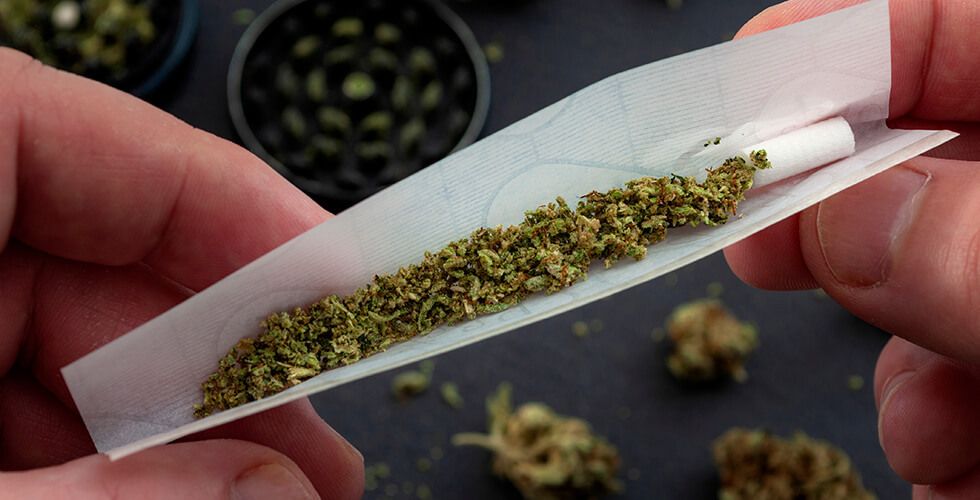
Many people turn to cannabis to ease pain, anxiety, or depression—but new research suggests that self-medicating with the drug may carry a hidden cost: a greater risk of paranoia.
A study published in BMJ Mental Health and led by King’s College London surveyed more than 3,300 adults who currently or previously used cannabis but had no clinical history of psychosis. Researchers discovered that those who began using cannabis to cope with mental or physical health problems were more likely to experience paranoia than those who used the drug recreationally. In fact, people smoking for fun or curiosity had the lowest paranoia scores.
The survey also highlighted how much users consumed. On average, participants reported 206 units of THC—the main psychoactive compound in cannabis—each week, roughly the equivalent of 10–17 joints. But those using cannabis to manage anxiety or depression consumed significantly more, averaging 248 and 255 units weekly.
Experts warn that despite popular belief, cannabis is not a proven treatment for common conditions like pain, stress, or mood disorders. “The more you take, the more problems you get into,” said Professor Robin Murray of King’s College, who compared the risks of cannabis to alcohol—dose matters.
Mental health professionals echo the concern. Dr. Emily Finch of the Royal College of Psychiatrists emphasized that cannabis remains addictive and can worsen conditions like depression and anxiety. Daily use of high-potency cannabis, especially among young people, is linked to a nearly fivefold increased risk of developing psychotic disorders.
Researchers conclude that society must move past the myth of cannabis as a harmless medicine. While some patients benefit from strictly prescribed medical cannabis, widespread self-medication may create more harm than healing.