
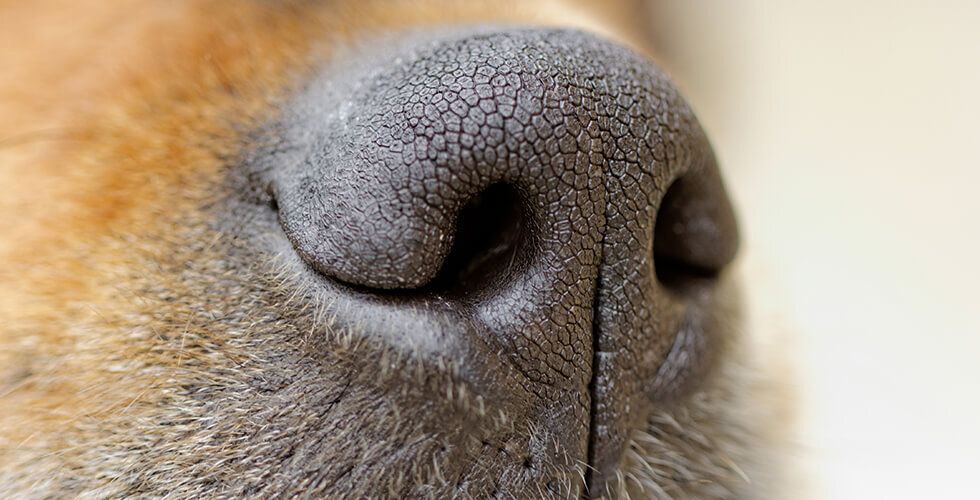
What if man’s best friend could help detect a devastating disease long before symptoms ever appear? In an astonishing breakthrough, two specially trained dogs in the UK have demonstrated they can accurately detect Parkinson’s disease, just by sniffing skin swabs.
In a study conducted by the Universities of Bristol and Manchester and the nonprofit Medical Detection Dogs, researchers found that these four-legged diagnosticians were able to identify Parkinson’s disease with up to 80% accuracy. Even more impressively, they correctly ruled out healthy individuals over 90% of the time, results that rival some of today’s most advanced medical tests.
How is this possible? Parkinson’s patients produce unique skin oils that release specific scent compounds long before physical symptoms appear. These dogs were trained over nearly a year to recognize the scent using simple cotton swabs from patients’ backs. Out of ten dogs, only two—one Golden Retriever and one Lab-Golden mix—proved reliable enough to move on to double-blind trials.
In these trials, the dogs sniffed 100 new samples without any human cues. One correctly identified 70% of Parkinson’s cases and dismissed 90% of healthy ones. The other nailed 80% sensitivity and 98% specificity—an incredible feat for a non-invasive, cost-free test.
The secret lies in sebum, a waxy oil that Parkinson’s alters at the molecular level. These changes produce volatile compounds that dogs can detect, even when doctors can’t.
While dogs won’t replace neurologists, they could become powerful screening allies—especially in areas with limited access to medical care. This research could also lead to electronic “noses” that mimic canine olfaction.
From loyal pets to life-saving partners, dogs just might be the new frontline in early Parkinson’s detection.