
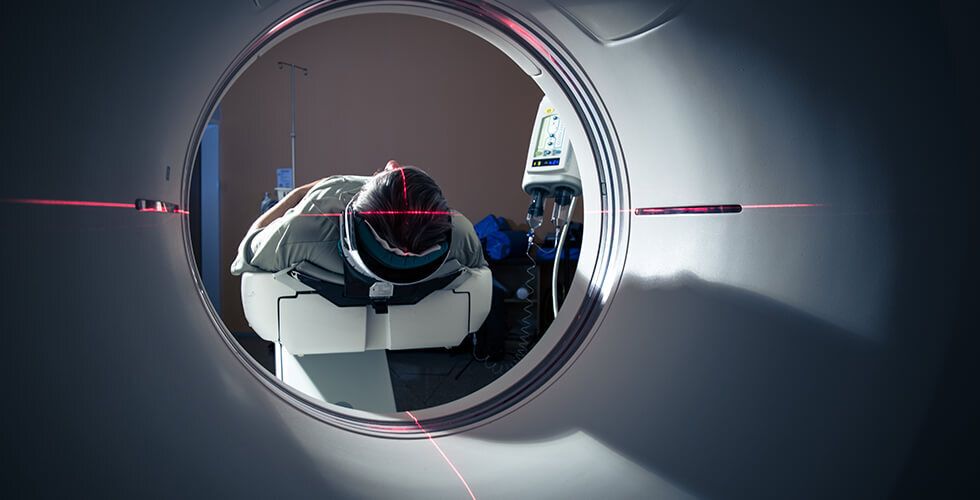
When 22-year-old law graduate Letícia Paul died within 24 hours of undergoing a routine CT scan in Brazil, her case prompted urgent questions: how many lives hang in the balance when contrast media—widely regarded as safe—are used daily? And why do such protocols so rarely avert catastrophe?
Paul was receiving a contrast-enhanced CT scan to investigate kidney stones at Hospital Regional Alto Vale. Shortly after the iodinated dye was injected, she went into anaphylactic shock. Doctors moved swiftly: she was intubated and transferred to intensive care, but efforts to save her were in vain, and she passed away on August 20. The hospital later asserted protocols had been properly followed.
In the U.S., deaths from iodinated contrast media are vanishingly rare—estimated at only 1.1 to 1.2 fatal cases per million administrations . Another source notes 2 to 9 deaths per million procedures, while more conservative estimates put the mortality rate at about Medscape. These rare outcomes highlight not just the inherent risks, but often underexamined factors: rapid response capacity, accurate risk assessment, and systemic readiness.
Even when protocols are followed, life-threatening reactions—though occurring in as low as 0.01% to 0.04% of cases with modern nonionic agents—can escalate within minutes. That speed demands readiness and vigilance, but how consistently are these rare-but-critical scenarios drilled and audited across institutions?
Paul’s death should trigger institutional introspection—asking whether today’s protocols both anticipate worst-case scenarios and ensure they can be met in time. It’s not just about rare statistics; it’s about breaking down system silos to prevent future disasters. As contrast-enhanced imaging continues to expand, so must our systems’ capacity to safeguard every patient—no matter how rare the risk