
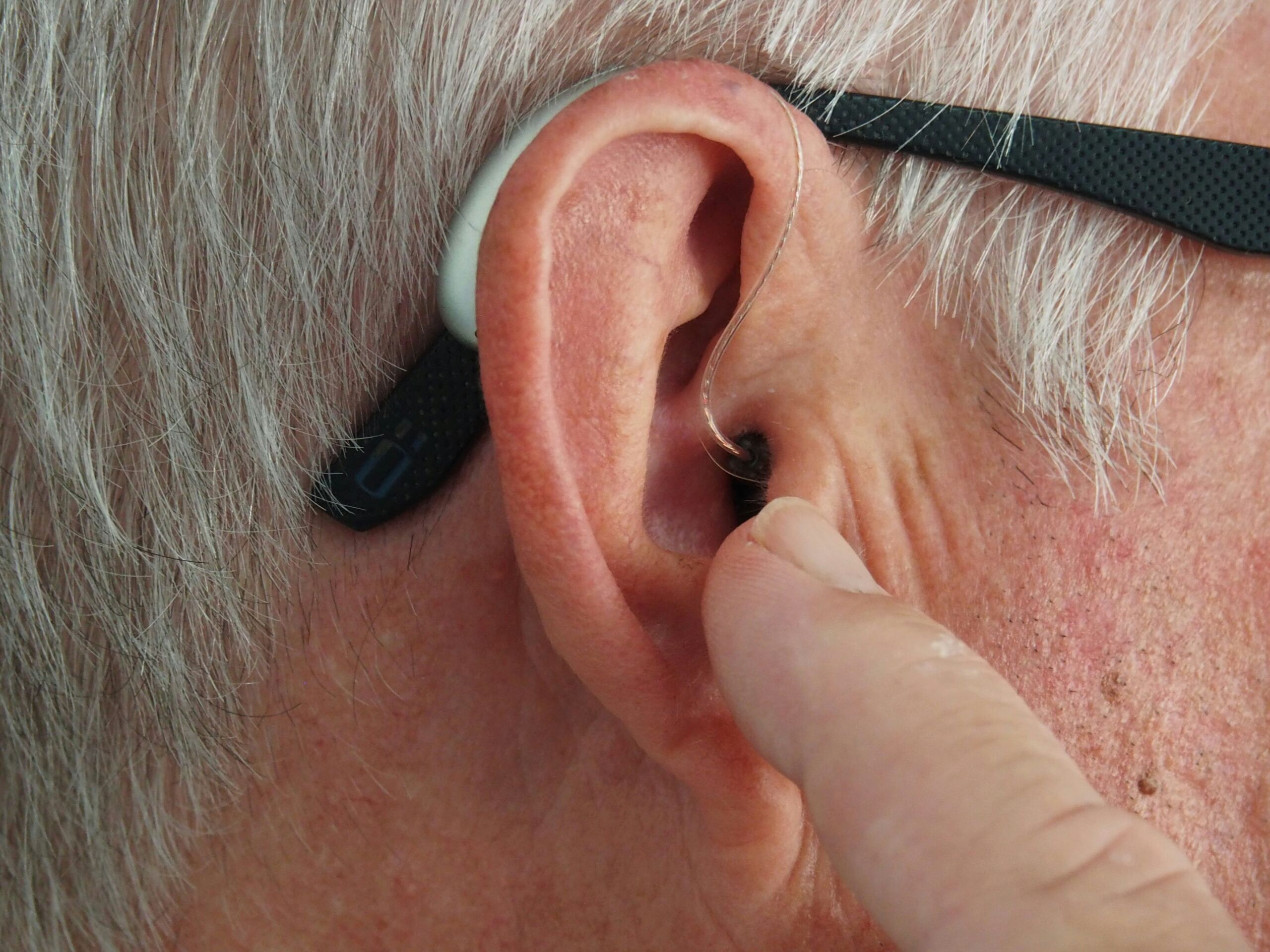
You probably think of fading hearing as just an annoyance. You turn the TV up a few notches. You ask people to repeat themselves at dinner. You smile and nod in a noisy room when you didn’t quite catch the punchline. Mildly irritating, but harmless — right?
Here’s what most people never get told: your hearing may be telling you something about your brain.
What the research actually found
The Lancet Commission — an international panel of researchers who study how to prevent dementia — has reviewed the global evidence three separate times, in 2017, 2020, and again in 2024. Every single time, they reached the same striking conclusion. Of all the dementia risk factors a person can actually do something about, hearing loss in mid-life ranks at the very top of the list. Not smoking. Not high blood pressure. Hearing.
Earlier research from Johns Hopkins pointed the same direction: as hearing loss grew more severe, the associated risk of developing dementia climbed with it, with the most significant hearing loss linked to several times the risk seen in people with normal hearing.
Now the honest part
You won’t hear this caveat in most breathless health emails, but you deserve it: this research is correlational. That means scientists can clearly see that people with untreated hearing loss develop dementia at higher rates — but they are still working out exactly why, and whether one truly causes the other.
The leading explanations are worth understanding, because they actually make intuitive sense:
- Mental strain. When your ears send a weak, garbled signal, your brain has to work overtime to fill in the gaps. That constant effort may pull resources away from memory and thinking.
- Withdrawal and isolation. People who struggle to follow conversation slowly stop joining in. They skip the dinner, leave the party early, talk less on the phone. And social isolation is itself one of the hardest things on an aging brain.
- Less stimulation. A brain that receives less rich sound over the years simply gets less of the input that helps keep it sharp.
Why this is good news, not a sentence
Here’s the part that should give you hope. Hearing loss is what researchers call a modifiable risk factor. Unlike your age or your genes, it’s something you can actually address.
The single most useful step is also the simplest: get your hearing tested — especially if you’re past 55 and you recognize yourself in any of this. You avoid restaurants because of the noise. You lose the thread in group conversations. Family members mention that the television is “awfully loud.” Those are not signs to brush off until next year.
If a test shows loss, treating it — and staying socially engaged, keeping up the dinners and phone calls and clubs — is one of the few genuine levers we have over long-term brain health. It costs you a checkup. The downside of ignoring it is far larger.
So the next time you catch yourself saying “huh?” for the third time in a conversation, don’t wave it away. That small word might be the most important health signal your body sends you this year.