
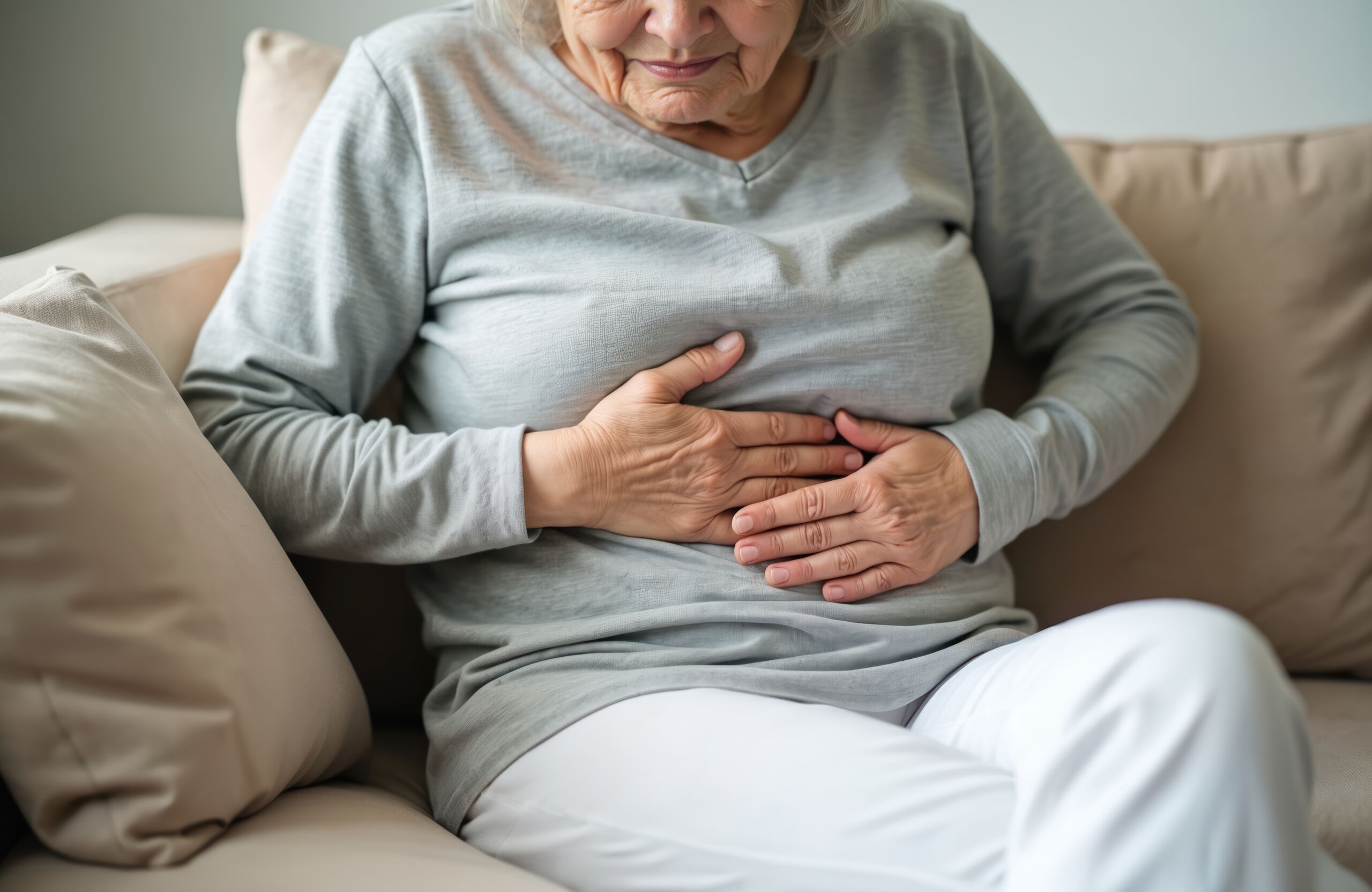
For older adults, heat waves may bring more than just discomfort—they could quietly undermine the body’s defenses from the inside out. New research from UC Irvine reveals that extreme heat dramatically weakens the immune systems of seniors by disrupting the delicate balance of gut bacteria, making them more vulnerable to serious and even life-threatening infections.
In a study using aged mice, researchers simulated heat wave conditions—three hours a day at 104°F—for two weeks. The results were alarming: older mice exposed to heat experienced severe damage to their gut lining, a surge in body-wide inflammation, and a spike in harmful bacteria that not only overwhelmed the immune system but also showed resistance to common antibiotics.
One particular threat—Vibrio vulnificus, a flesh-eating bacterium found in warm coastal waters—proved especially deadly. In aged, heat-stressed mice, infections from this bacterium were far more severe than in younger counterparts. Researchers believe this mirrors what’s increasingly being seen in emergency rooms during summer surges.
So what’s going on inside the gut? Beneficial bacteria like Bifidobacterium and Roseburia sharply declined, while harmful strains like Enterococcus flourished. The gut barrier became “leaky,” allowing toxins to seep into the bloodstream, setting off a cascade of immune failure.
The good news? Scientists found that reintroducing healthy bacteria helped restore some immune function. This suggests that probiotic therapies tailored to seniors could one day help protect against the hidden dangers of heat.
As America’s population over 65 climbs past 80 million by 2040, researchers warn that we must better prepare for this demographic shift. While heat may seem like a surface-level threat, for seniors, it may be the gut—silently altered and inflamed—that holds the greatest risk.
