
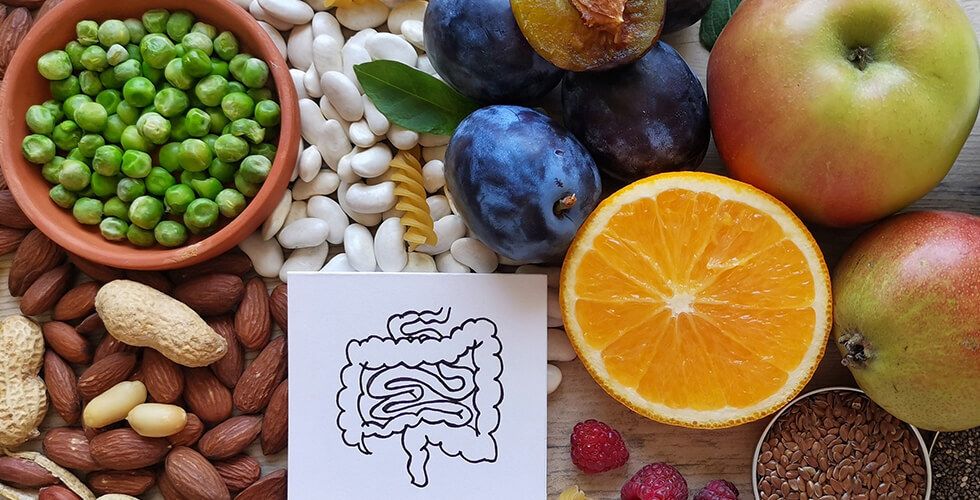
If you’re not “fibermaxxing,” TikTok might have you wondering if you’re even pooping right. This viral trend is all about packing your plate with fiber to level up digestion, keep you fuller longer, and feed your gut microbes, but experts say more fiber isn’t always better if you don’t do it right.
Fibermaxxing means loading every meal with fiber-packed veggies, legumes, whole grains, fruits, and sometimes supplements, to hit the daily target, which, let’s face it, most Americans miss. Women should aim for about 25 grams daily, men for 30, yet most people get barely half.
When used wisely, fiber offers numerous benefits: it keeps you regular, balances blood sugar levels, lowers cholesterol, supports a healthy weight, and even reduces the risk of colon cancer. But there’s a catch — ramp up too fast, and you could face gas, cramps, or even constipation.
“There’s no magic number for a fiber max, but add it gradually and drink plenty of water,” says Dr. Michael Ednie. “Hydration helps fiber work its magic — soluble fiber needs water to form a gel that traps cholesterol, while insoluble fiber needs water to keep things moving smoothly.”
And don’t forget variety. Different fibers feed different gut bacteria, boosting immunity and lowering inflammation. Beans, berries, oats, nuts, and veggies all play a role. If you need a boost, supplements can help — but whole foods deliver extra nutrients your gut loves.
The bottom line: Fibermaxxing can be your gut’s best friend — or worst enemy. Take it slow, stay hydrated, mix it up, and your digestion (and bathroom breaks) will thank you.
