
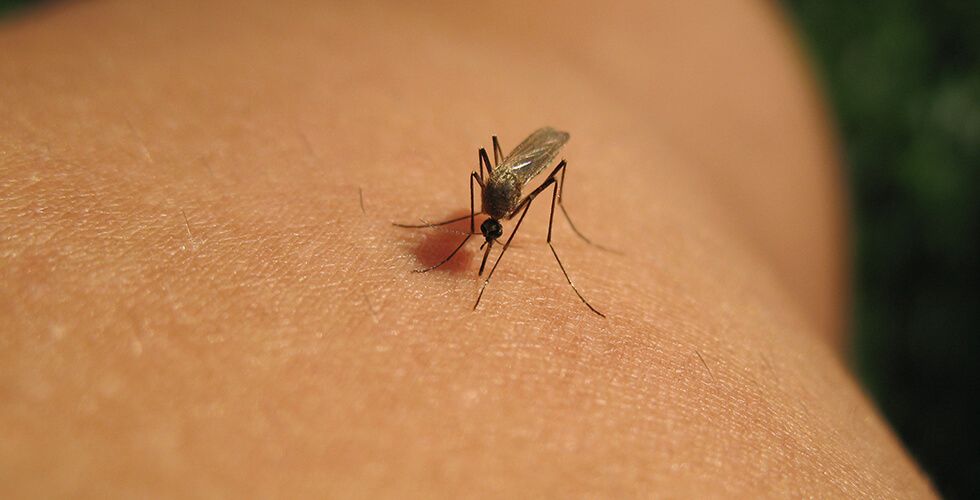
Mosquitoes carrying the West Nile virus have been detected in two Atlanta neighborhoods, prompting a public health warning as the city heads into peak mosquito season.
Officials confirmed that traps in Hapeville and northwest Atlanta tested positive for the virus, which can spread to humans through mosquito bites. While most infections are mild, causing fever, headache, or no symptoms at all, some can lead to serious neurological illnesses, including meningitis or encephalitis.
Dr. Brandon Leftwich of the Fulton County Board of Health emphasized the potential danger: “Mosquitoes can be dangerous if infected and may pose a serious health risk to people in our area.”
West Nile isn’t new to Georgia, but recent trends are concerning. After averaging about 20 cases per year from 2018 to 2022, the state saw a spike to 53 cases in 2024, more than double the previous year’s total. Infections typically rise during late summer, making prevention more important than ever.
The CDC reports 24 cases nationally so far in 2025, 10 of which were “neuroinvasive,” meaning the virus attacked the nervous system.
Although there has been only one confirmed case in Georgia this year (near Columbus), officials are urging residents to take precautions now.
How to Protect Yourself:
- Avoid outings during dawn and dusk, when mosquitoes are most active.
- Wear long sleeves and pants to reduce exposed skin.
- Use EPA-approved repellents containing DEET.
- Eliminate standing water—flowerpots, buckets, birdbaths—as these are mosquito breeding grounds.
- Check window and door screens for holes or gaps.
The Fulton County Board of Health is actively treating mosquito zones and informing communities on how to stay safe. For now, awareness and prevention remain the most effective defenses.