
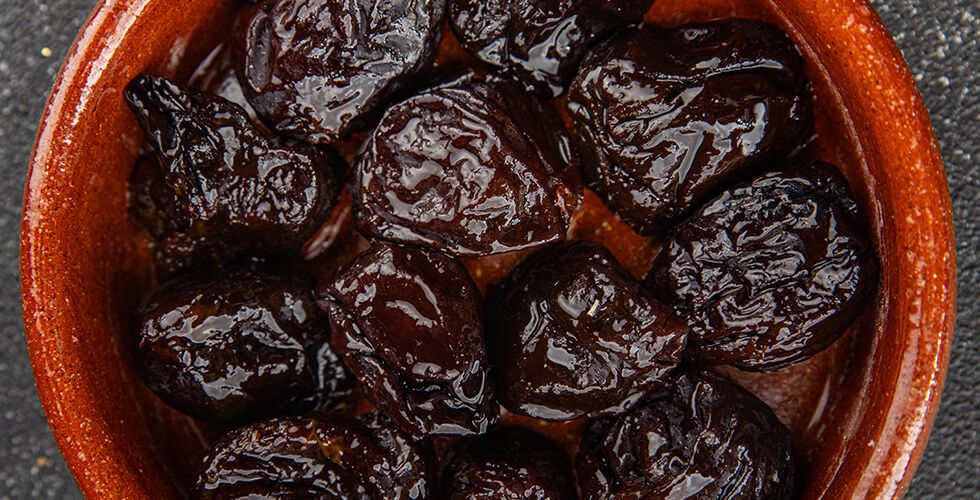
Prunes, often overlooked as a health food, are now being recognized for their potential to protect bone health, especially in postmenopausal women. A new study from Penn State, published in Osteoporosis International, found that eating just four to six prunes per day may help maintain bone density and strength, lowering the risk of fractures.
Researchers conducted a year-long, randomized controlled trial with 235 postmenopausal women. Participants were divided into three groups: no prunes, 50 grams (about 4–6 prunes), or 100 grams (about 10–12 prunes) daily. Using advanced 3D bone scans (pQCT), they tracked changes in bone density, geometry, and strength.
Women who ate four to six prunes daily preserved bone mass and strength in the tibia—a critical weight-bearing bone—while those in the control group experienced declines. Interestingly, many in the higher-dose group dropped out due to prune fatigue, making the lower amount a more realistic recommendation.
Lead researcher Mary Jane De Souza, Ph.D., emphasized that bone quality—not just density—is crucial to preventing fractures. The 3D imaging allowed the team to see structural changes in cortical bone, the hard outer layer that supports the skeleton.
Prunes are rich in polyphenols and other bioactive compounds that may counteract inflammation, a key factor in age-related bone loss. With over 10 million Americans affected by osteoporosis—most of them older women—prunes may offer a natural, food-based intervention.
While further research is needed, particularly on long-term outcomes and mechanisms, this study supports the idea that incorporating a small daily serving of prunes could be a simple way to support skeletal health in women as they age.
