If you woke up wondering what a federal shutdown means for your family, your paycheck, or your health coverage, you are not alone. Funding for the government lapsed at midnight after last‑minute Senate efforts failed, triggering the first shutdown in nearly seven years. Republicans control the White House, House, and Senate, but Democrats, now in the minority after the 2024 elections, refused to support a GOP stopgap bill without firm health policy concessions. The result is a standoff with real‑world consequences that could hit services, travel, and wallet‑watching households almost immediately. The clash echoes past shutdowns, yet the stakes are higher this time because it is tied to healthcare access and an already shrinking federal workforce.
Immediate fallout and what is at stake
Roughly 750,000 federal employees face furloughs while agencies sort out who is essential and who is not. Another 150,000 positions are already in motion to exit through buyouts tied to an administration efficiency drive. Combined with the furloughs, officials project an estimated one million‑person reduction in the federal workforce within a single year, which would be the largest in decades. That contraction compounds the effects of a shutdown on everything from passport processing to small business loans. Air travel, food safety inspections, and national parks may all see slowdowns or closures, and contractors in local communities will feel the pinch along with federal workers.
How the deadline was missed
Negotiations collapsed only hours before the cutoff, with the Senate unable to advance either the Republican continuing resolution or a Democratic alternative. Republicans say they plan to force additional procedural votes to give Democrats space to change course, but neither side signaled a breakthrough. The funding lapse took effect at midnight, and agencies have started implementing contingency plans. Leaders warned earlier in the week that timing was tight, yet hopes lingered for a short extension. Those hopes faded as talks hardened around the core dispute over health coverage and spending.
The policy clash over healthcare
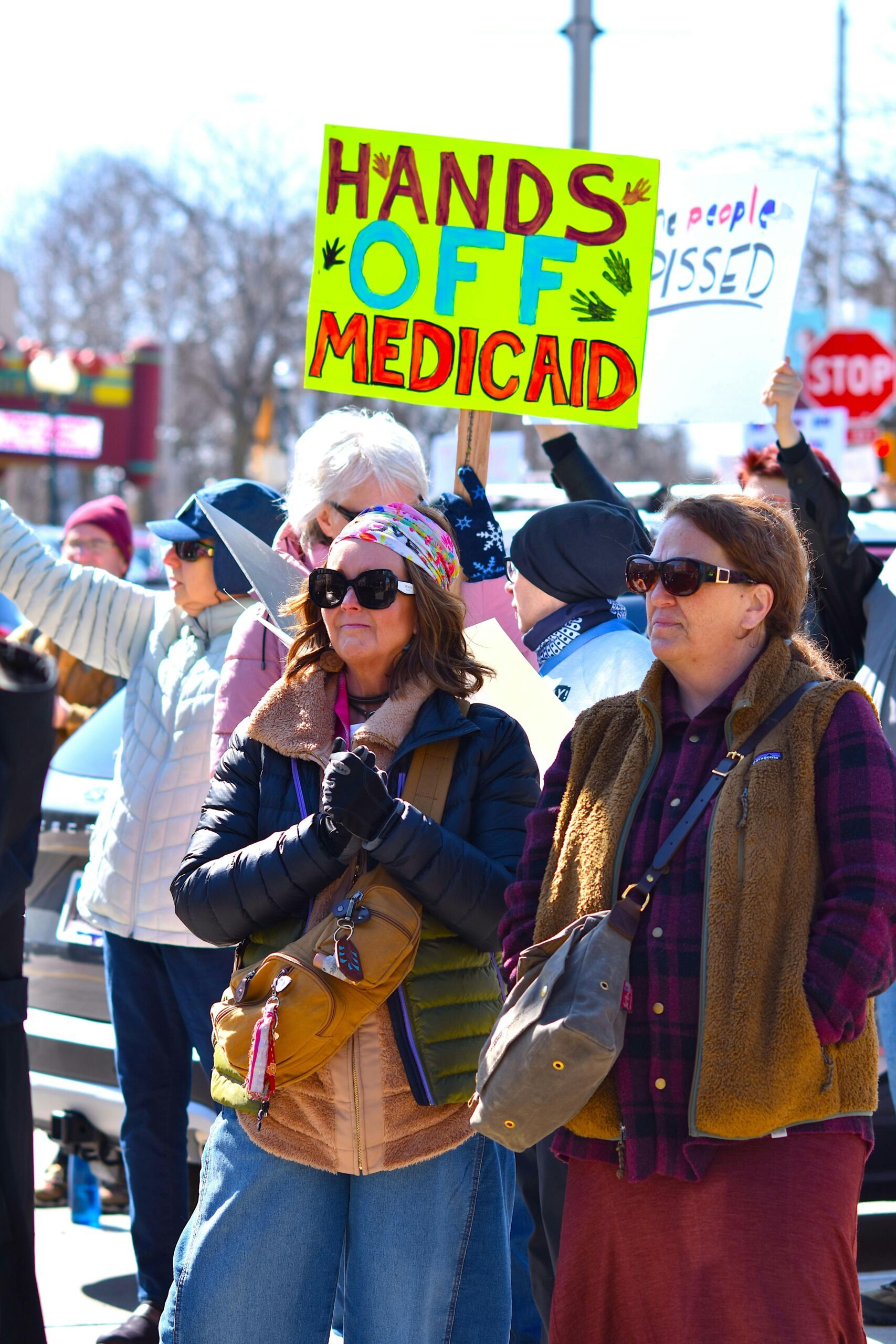
Democrats are insisting on several conditions to reopen the government. They want to extend Affordable Care Act premium subsidies that expire at the end of the year, reverse Republican cuts to Medicaid and public broadcasting, and block the use of a pocket rescission that could further reduce foreign aid. Nonpartisan estimates place the package at roughly one trillion dollars. Without these changes, Democrats warn that about 10 million people could lose coverage due to Medicaid reductions and changes to the ACA, and roughly 20 million could face higher insurance premiums if subsidies lapse. Republicans argue that Congress should pass short‑term funding first, then negotiate policy details once federal operations are stable, and they cast the Democratic demands as extreme and political.
Messaging, blame, and the White House posture
Both parties moved quickly to shape the narrative. Democratic leaders portray the GOP strategy as partisan brinkmanship that threatens healthcare and leans on misleading claims about benefits for undocumented immigrants. Republican leaders counter that Democrats engineered a politically motivated standoff to oppose the president, elevating ideology over governance. The White House and the Office of Management and Budget publicly placed responsibility for the shutdown on Democratic demands and cautioned that the duration is uncertain. Senior officials also warned of large‑scale layoffs if the shutdown persists, describing them as a necessary consequence once funding runs out.
Intraparty strains and crossover votes
While Democratic leaders held the line on conditions for any funding bill, a handful of members crossed over to back the GOP proposal. Those lawmakers signaled concern that a prolonged shutdown would expand presidential power and cause immediate harm to constituents who rely on federal services. Their votes did not change the outcome, but they revealed anxiety inside the minority party about tactical risks. The episode underscores how high‑pressure fiscal fights can scramble party unity. It also shows that individual members may prioritize short‑term continuity even as leaders pursue broader policy leverage.
What history suggests
The last shutdown started in late 2018 and stretched for 35 days, the longest on record. Political scientists and veterans of past fights often note that parties rarely achieve their maximal goals through shutdowns. Republicans cite that pattern to argue that the current Democratic stance is empty leverage. Democrats respond that healthcare affordability touches families in every state, which they say justifies harder tactics even from the minority. Both sides are wagering that voters will reward their resolve and punish perceived recklessness.
Where public opinion stands
Polling snapshots show limited public support for a shutdown linked to the Democratic policy suite. Among Democrats, opinion is close to evenly split, a sign that the base is energized but not unanimous on strategy. Independents largely oppose shutting down the government to gain leverage in health talks. Blame is diffuse, with a plurality faulting congressional Republicans, a significant share pointing at Democrats, and many telling pollsters that both sides bear responsibility. That spread makes it harder for any one party to claim a clear public mandate.
Possible paths to a deal
Senate Republicans intend to re‑run votes on rival funding measures to increase pressure on Democrats. Potential off‑ramps include a short‑term bill paired with a commitment to negotiate ACA subsidies later, a narrow healthcare side deal attached to a clean continuing resolution, or a modest extension with limited policy riders to avoid deeper cuts while talks continue. Any of these options requires one side to decouple immediate funding from the full set of healthcare demands. The longer that takes, the more disruption accumulates across agencies and communities. For households watching premium notices and pay schedules, the cost of stalemate grows by the day.
The broader stakes
For Democrats, this is a test of whether a focused push to protect healthcare affordability can resonate beyond the party’s base. For Republicans, it is an early measure of governing competence under unified control, with the added challenge of managing expectations among fiscal hawks and moderates. For the public, the shutdown brings service interruptions, uncertainty over health costs, and anxiety for federal workers and contractors. The path to reopening is clear in outline but clouded by politics. What happens next depends on whether leaders choose immediate stability or continued brinkmanship over a larger health policy fight.