
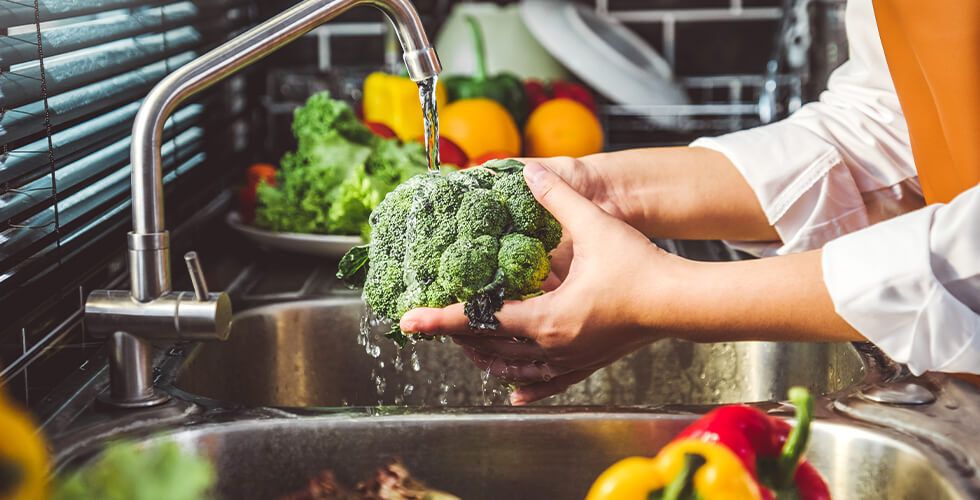
Bringing in baskets of fresh-picked vegetables and herbs from your garden is one of life’s simple joys—but if you skip proper washing, you could be inviting more than flavor to your plate. Soil, compost, irrigation water, insect residue, and even droppings from birds or pets can leave behind harmful bacteria that a quick rinse won’t remove. Thorough cleaning is essential to protect against foodborne illness while preserving that garden-fresh taste.
Start with Clean Hands and Surfaces
Before touching your harvest, wash your hands for at least 20 seconds with soap and water. Clean any bowls, colanders, or brushes you’ll use to avoid cross-contamination.
Rinse Under Cool Running Water
For most fruits and vegetables, hold them under a gentle stream of cool water to dislodge soil and microbes. Skip the soap and commercial produce washes—plain water is the safest and most effective option.
Soak for Stubborn Dirt and Bugs
Leafy greens and root vegetables often need more than a rinse. Soak them briefly in a bowl of potable water to loosen grit and encourage any hidden bugs to float away. Gently swish the greens and separate the layers as needed.
Scrub Firm Produce
Carrots, potatoes, and squash benefit from a soft-bristled produce brush. Gentle scrubbing removes dirt clinging to textured skin without bruising the flesh.
Dry Before Storing or Eating
Moisture can encourage mold growth, so pat produce dry with a clean towel or spin greens in a salad spinner.
Taking a few extra minutes to wash garden produce properly isn’t just about appearance—it’s about food safety. By making this a habit, you can enjoy the fruits (and veggies) of your labor with confidence, knowing you’ve removed dirt, bugs, and bacteria before they hit your plate.