
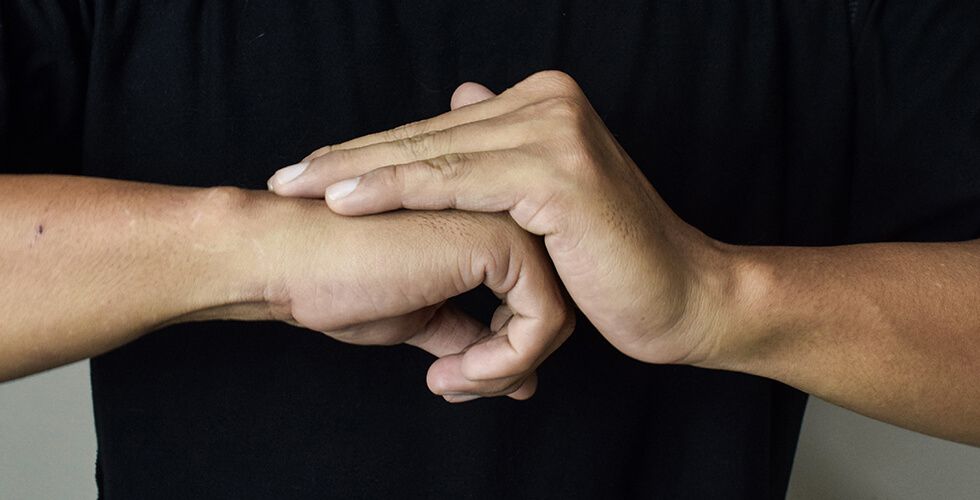
If you’re a chronic knuckle-cracker, you’ve probably heard the warnings: “Stop doing that — you’ll get arthritis!” But is cracking your knuckles actually bad for you? Good news: science says probably not.
When you crack your knuckles, you’re not grinding bone on bone — you’re releasing gas bubbles. Inside your joints is synovial fluid, which keeps everything lubricated and cushioned. When you pull, twist, or bend a joint, the pressure changes and gas bubbles quickly collapse or form, creating that familiar pop.
So, what about the arthritis myth? Multiple studies, including a famous one published in the Journal of the American Board of Family Medicine, found no link between knuckle cracking and arthritis. One doctor even famously cracked the knuckles on just one hand for decades — and found no difference in arthritis between his two hands.
Still, cracking knuckles isn’t completely harmless for everyone. If you’re doing it forcefully or obsessively, you might irritate the soft tissues around the joint. Some people develop swollen hands or reduced grip strength if they crack constantly and aggressively. If cracking your knuckles causes pain, swelling, or locking up, that’s worth a doctor visit.
Interestingly, for many people, knuckle cracking is just a habit — or even a stress reliever. The “pop” can bring a feeling of release and satisfaction, like stretching out a stiff back. Some researchers think it might even help people focus or relax.
So, should you stop cracking your knuckles? If it doesn’t hurt and you’re not annoying the people around you, there’s no solid reason to quit. However, if it’s painful, you can’t stop, or your joints feel unstable, consult a healthcare provider. Otherwise, pop away — your knuckles are probably fine!