
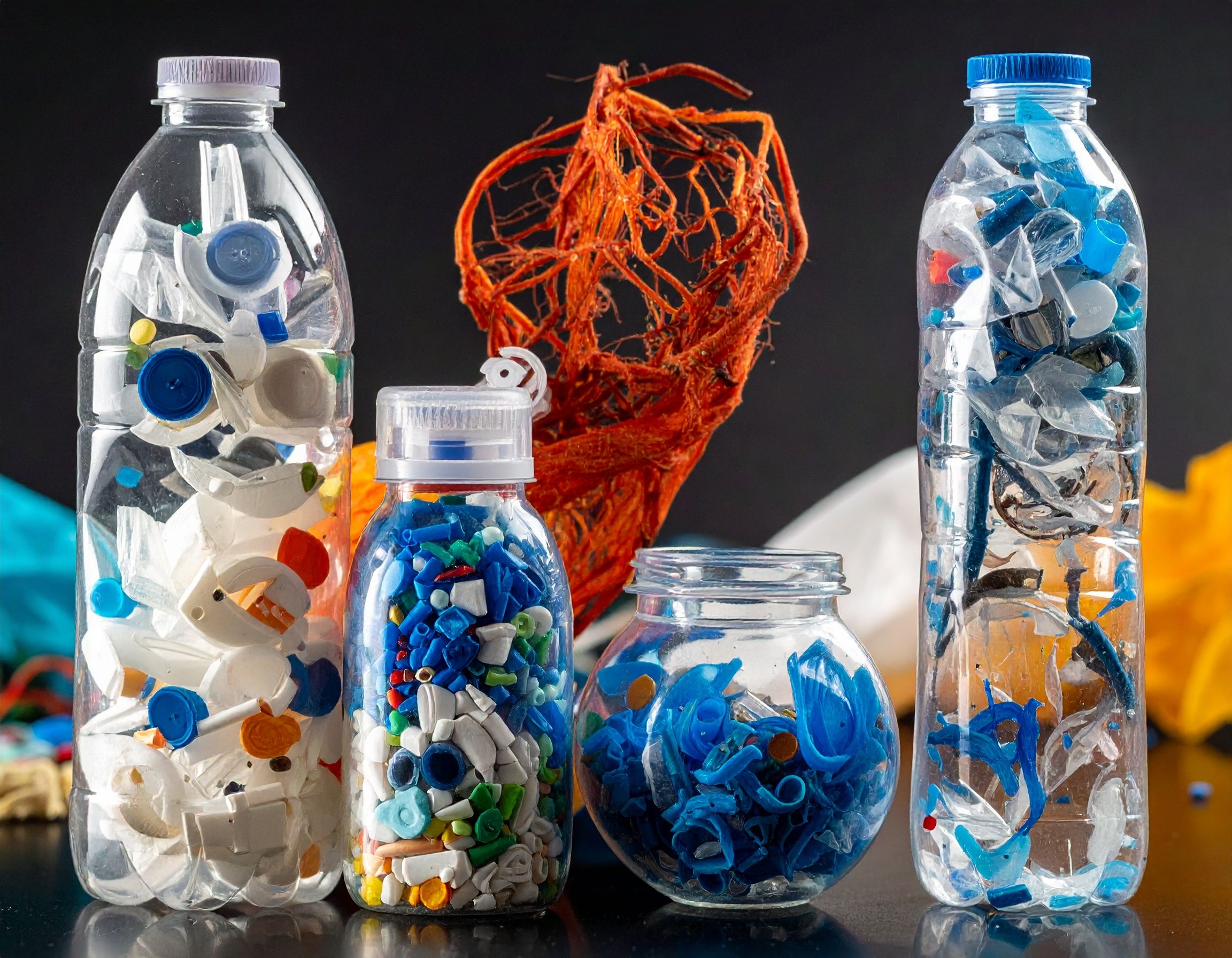
If you have ever wondered whether the plastic problem reaches you personally, the short answer is yes. Microplastics have moved from a niche environmental story to a daily public health concern, and for good reason. They are showing up in water, food, air, and household dust, which makes avoidance unrealistic for most people. A 2024 analysis estimated that a typical liter of bottled water can contain about 240,000 plastic particles when nanoplastics are counted, while municipal supplies tend to carry lower but detectable levels. Broader estimates suggest many people ingest tens of thousands of microplastic particles each year, with inhalation adding tens of thousands more. If exposure is this widespread, the practical question becomes how to curb risk rather than how to eliminate it.
How exposure happens, every day
Water is a consistent source. Bottled water has drawn attention for its higher concentrations, and beverages made with contaminated water, such as soft drinks and beer, can carry particles as well. Tap water varies by system, yet a widely cited global survey detected particles in more than 80 percent of samples tested. Food is another pathway. Marine foods like fish, shellfish, and mollusks can accumulate microplastics, and common seasonings and staples including sea salt, rock salt, refined sugar, and honey have reported contamination.
Modern packaging and processing add to the load. Plastic linings in canned goods, dairy packaging, plasticized tea bags, and a range of food contact materials, from wraps to cutting boards, all contribute. Indoors, synthetic textiles such as polyester, nylon, acrylic, and spandex shed fibers during wear and especially during laundering. Those fibers settle into dust and escape in dryer exhaust, while carpets, upholstery, and furniture fabrics act as reservoirs. Outdoors, airborne particles from tire and road wear and fragments from paints on buildings, ships, and road markings add tiny plastics to air and soil, which can in turn reach crops through sludge, fertilizers, and irrigation.
Consumer products round out the picture. Microbeads and polymers in some cosmetics and toothpaste, abrasive pads and wipes, plastic-lined disposable cups, infant feeding with plastic bottles, chewing gum with synthetic bases, and cigarette filters made of plastic fibers all contribute to background exposure. The bottom line is that ingestion, inhalation, and even limited dermal contact happen across ordinary activities, from sipping coffee to cleaning the house.
What science links to microplastics in the body
Researchers are piecing together how these particles, along with additives such as plasticizers and flame retardants, affect health. Signals have emerged across several systems. Cardiovascular findings include plaque buildup, clotting tendencies, elevated blood pressure, and higher risk of heart attack and stroke. Respiratory data suggest worsened asthma and COPD, scarring of lung tissue, reduced capacity, and a possible increase in cancer risk with chronic exposure. In the brain, studies report immune activation, impaired cognition and memory, mood-related changes in models, and disruption of the blood–brain barrier.
The gastrointestinal and hepatic systems also appear vulnerable. Reports include microbiome imbalance, intestinal inflammation, compromised gut barrier, and liver toxicity with fatty liver changes and bile irritation. Endocrine and reproductive concerns center on hormone interference from additives, reduced sperm quality, menstrual and ovarian disturbances, potential fetal effects since particles can reach the placenta, and thyroid impacts. Across these domains, the most consistent mechanisms involve oxidative stress, inflammation, immune dysregulation, reproductive toxicity, and gut–lung axis disturbances. Many human findings remain associative, with causality still under investigation, yet the convergence of mechanistic signals has spurred interest in protective strategies.
Why melatonin is a plausible protector
Melatonin is best known for sleep, yet it is also a potent free radical scavenger and antioxidant. It shows anti-inflammatory and immune-modulating actions, supports mitochondrial function and cellular energy pathways, and helps stabilize biological barriers in the gut, lungs, and brain. Separate research has reported neuroprotective, cardioprotective, and hepatoprotective effects in other injury settings. Because these actions map closely to the dominant microplastic injury pathways, scientists have proposed melatonin as a pragmatic countermeasure. It is widely available, inexpensive, and generally has a favorable safety profile, although it can interact with medications and is not a substitute for medical care.
What early studies show
Recent plant and animal work offers preliminary support. In 2021, a study in wheat found that microplastics impaired plant health, while melatonin reduced stress markers and improved resilience, a signal with implications for agriculture and food quality when soils are contaminated. A 2022 mouse model showed that microplastic exposure promoted lung scarring, and melatonin lessened fibrotic changes and inflammatory indicators. In zebrafish exposed to polystyrene microplastics in 2022, melatonin supplementation attenuated negative effects on organismal health.
Agricultural reviews in 2022 outlined risks of micro and nanoplastics to crops and soil ecosystems, and they also described emerging mitigation strategies, which include plant signaling molecules such as melatonin. In 2023, a rat model of environmental accumulation with liver ischemia–reperfusion injury found that microplastics worsened damage, while melatonin reduced oxidative stress and tissue injury. Another 2023 study tied microplastic exposure to brain outcomes through intestinal pathways, and the combination of melatonin with probiotics provided enhanced protection compared with either alone. Additional work in 2023 showed that melatonin strengthened intestinal barrier integrity and reduced inflammation in polyethylene microplastic exposure, and separate mouse research indicated that melatonin helped correct mitochondrial dysfunction triggered by polystyrene microplastics. A 2024 rat study added adrenal protection to the list, with melatonin countering cortex injury after exposure.
Practical takeaways and what to watch
No single supplement can erase exposure, yet melatonin’s profile and the early evidence suggest it may help blunt some of the biological fallout from microplastics. If you already use melatonin for sleep, this line of research may offer a secondary benefit, though dosing for organ protection has not been standardized in humans. If you are considering melatonin, speak with a clinician, especially if you are pregnant, managing chronic conditions, or taking medications that affect hormones, the immune system, or blood clotting. Simple exposure-reduction steps still matter, such as favoring tap over bottled water when safe, ventilating during cooking and cleaning, using high-quality filters where appropriate, and choosing fewer plastic contact points with food. The research agenda is moving quickly, and the most useful next step will be well designed human trials that test whether melatonin can lower biomarkers of oxidative stress and inflammation, preserve barrier integrity, and ultimately reduce disease risk in the context of unavoidable microplastic exposure.