
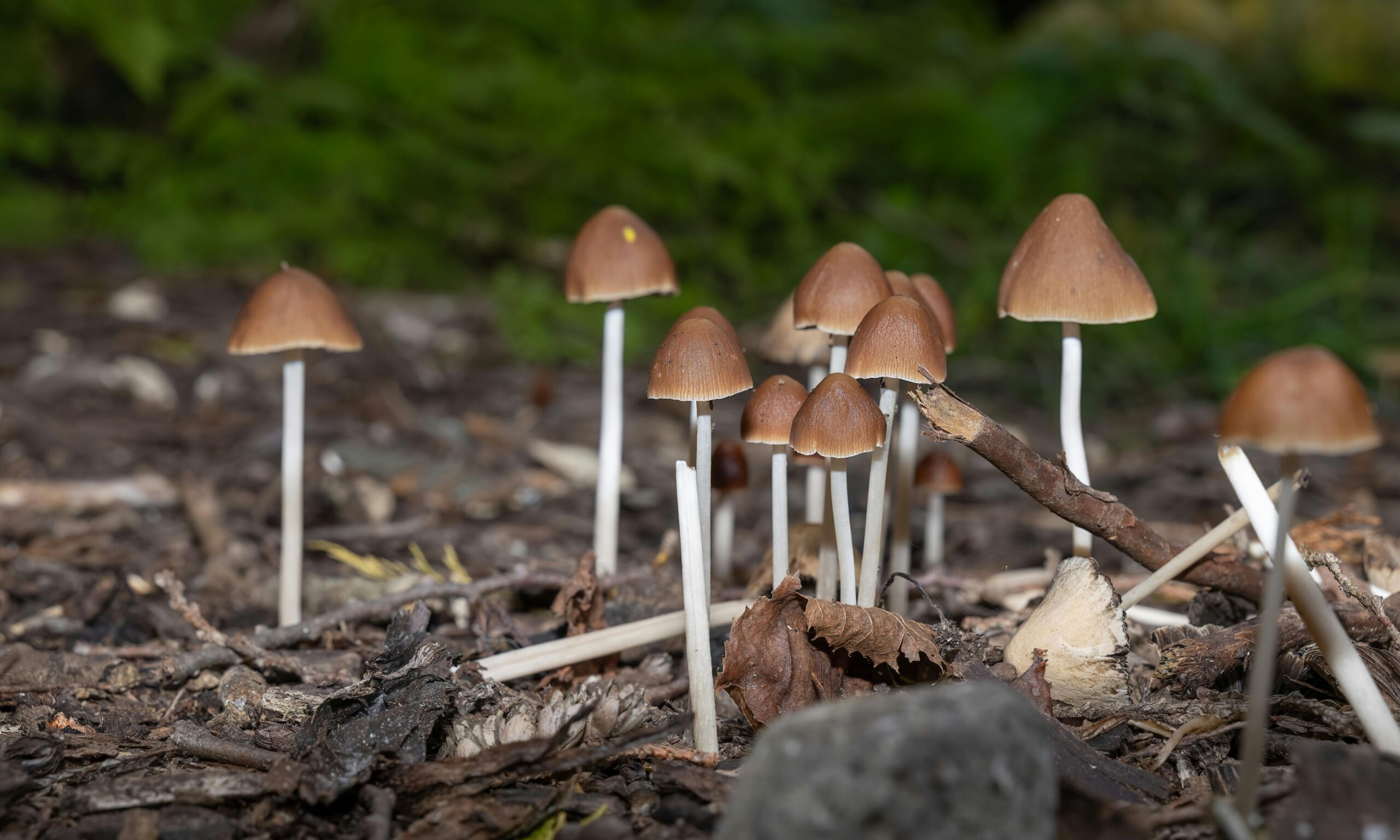
If you or someone you love lives with major depression, the idea of relief that lasts can feel out of reach. New five-year follow-up data from a small clinical study of psilocybin-assisted therapy suggests that lasting change may be possible. About two-thirds of participants remained in remission five years after treatment, and many reported broader improvements in anxiety, daily functioning, and quality of life. The analysis used a conservative approach by treating people who did not return for follow-up as if they had relapsed to their original severity, yet the benefits still held up.
Why this matters
For millions, standard treatments fall short. More than 21 million U.S. adults experience a major depressive episode each year, and roughly one third do not respond adequately to multiple medications. Psilocybin, the psychoactive compound in certain mushrooms, is being studied as a novel intervention for people who do not improve with existing options. Beyond symptom scores, participants often describe guided psilocybin sessions as among the most meaningful experiences of their lives, comparable to major life events. That depth of impact may help explain why gains can endure well beyond the clinic.
What the original trial showed
The five-year results build on a 2021 parent trial of adults diagnosed with major depressive disorder. In that study, 24 participants were assigned either to receive treatment immediately or to wait, then complete the same protocol. The intervention combined two psilocybin dosing sessions with about 13 hours of psychotherapy for preparation and integration. Early outcomes showed marked reductions in depressive symptoms and higher rates of remission at one year, pointing to both speed and durability.
How the five-year follow-up worked
Researchers re-contacted the original cohort and completed long-term assessments with 18 of the 24 participants. They used self-report instruments to track depression, anxiety, and role functioning, and they included a clinician-administered depression rating scale for an external perspective. Structured interviews explored how people made sense of their experiences and how they felt the treatment shaped their lives over time. Importantly, the team took a conservative analytic stance by counting nonparticipants as having returned to baseline severity.
The numbers at five years
The headline finding is remission. Approximately two-thirds of those who received psilocybin-assisted therapy were still in remission five years later, a higher rate than at the one-year mark. Symptom trajectories showed sustained reductions in depression severity and parallel improvements in anxiety and everyday functioning. Even when researchers treated every lost-to-follow-up case as a relapse to baseline, the improvements remained statistically robust. For a condition known for relapse and residual symptoms, that durability stands out.
How participants described the change
Most people continued to view the treatment as safe, significant, and life-enhancing years later. Many said their relationship to depression had shifted. Instead of seeing symptoms as permanent or inevitable, they framed low periods as more context dependent and manageable. Several reported greater capacity for positive emotion, motivation, and engagement with relationships and work, even if symptoms occasionally returned. Those who later experimented with psychedelics on their own often felt unsupervised use was less helpful, a pattern that underscores the importance of professional support and integration.
Safety and tolerability over time
The majority of participants reported no negative effects attributed to the therapy since the trial. A small subset described heightened emotional sensitivity that was not expected, which speaks to the need for careful preparation and follow-up care. Screening, setting, and ongoing integration appear to be key ingredients for safety as well as efficacy. As clinical programs expand, protocols that anticipate and support this sensitivity will likely be essential.
Other treatments after the trial
Not everyone relied solely on the initial intervention. A few reported no additional depression-related care in the years that followed, but many pursued other treatments. These ranged from antidepressant medications and psychotherapy to ketamine therapy, and some individuals reported non-clinical psychedelic use. The persistence of remission is notable, yet the mix of subsequent care complicates efforts to credit psilocybin alone. The authors acknowledge this reality and encourage cautious interpretation.
Limits you should know
This was a small sample, which limits generalizability. Attrition introduces uncertainty, and self-report measures can carry bias. Because many participants received additional treatments after the study, it is hard to draw firm conclusions about psilocybin’s standalone durability. These constraints do not erase the signal, but they do set the stage for larger, more controlled research programs.
What comes next
The five-year outcomes suggest psilocybin-assisted therapy can deliver long-lasting relief and quality-of-life gains for major depression. The clinical framework matters, particularly the trio of structured preparation, guided dosing, and integration therapy. Priorities for the field include larger randomized trials with long-term follow-up, clearer controls for later treatments and natural symptom fluctuations, and methods to identify who is most likely to achieve sustained remission. Future work should also address how to support those who experience heightened emotional sensitivity so that benefits outweigh challenges.
Who led the study and where it is published
The follow-up was led by Professor Alan Davis of Ohio State University, who also co-led the 2021 trial. The findings were published in the Journal of Psychedelic Studies, with a September 4 release. If replicated at scale, results like these could help inform policies that integrate psilocybin-assisted therapy into comprehensive depression care, while maintaining rigorous safeguards and clinical oversight.
