
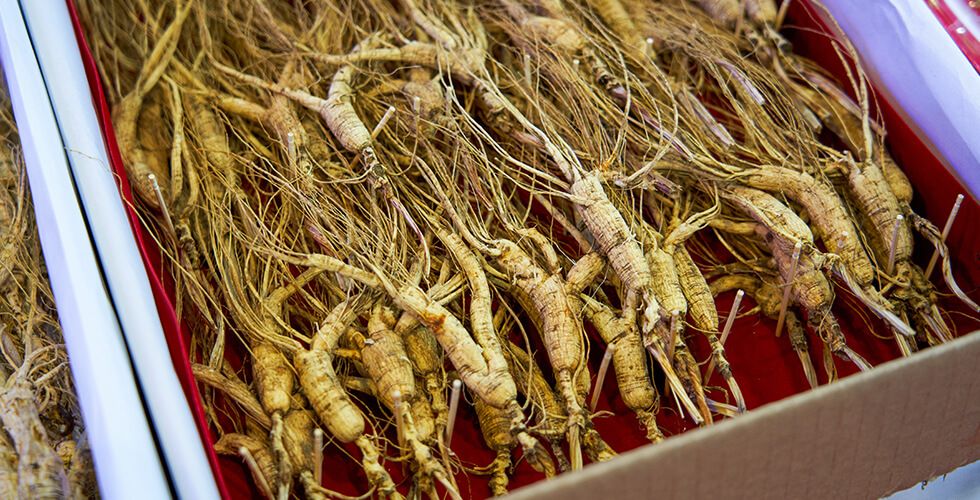
American ginseng (Panax quinquefolius) has long been valued for its powerful medicinal properties, particularly in boosting energy, reducing stress, and improving cognitive function. Native to the rich forests of eastern North America, this herb has been used in traditional medicine for centuries. However, ginseng populations are dwindling, posing a significant threat to its future.
The primary cause of ginseng’s decline is overharvesting. This plant, sought after for its therapeutic benefits, is often harvested indiscriminately and beyond sustainable levels. Wild ginseng, in particular, has been harvested at alarming rates, driven by both domestic and international demand. In some regions, it has disappeared entirely due to overexploitation.
Another significant threat to ginseng is habitat destruction. Ginseng thrives in shaded, moist environments within deciduous forests, but urban expansion, logging, and agricultural development have resulted in the loss of its natural habitat. With fewer places for ginseng to grow, its ability to regenerate is severely limited.
Additionally, slow reproduction is a challenge for ginseng. The plant takes several years to mature, and harvesting immature plants before they reach reproductive age prevents them from producing seeds. This hampers the species’ ability to repopulate and recover.
To combat these threats, several conservation measures have been implemented. Ginseng is listed under CITES, which regulates international trade to prevent overexploitation. In many U.S. states, there are strict harvest regulations, such as only allowing harvesting of plants that are at least five years old. Moreover, restoration projects are underway to cultivate ginseng in controlled environments and reintroduce it to suitable habitats.
With sustainable practices and ongoing conservation efforts, ginseng can be preserved, ensuring this valuable medicinal plant remains available for generations to come.