
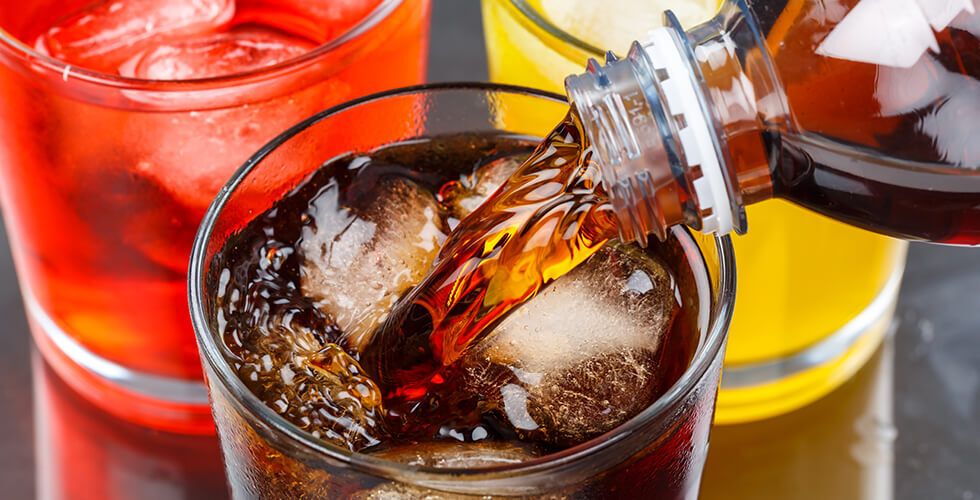
You already know that too much sugar isn’t great for your health, but how you consume it may matter even more than how much you eat. A sweeping review of 29 studies following over half a million people found that drinking sugar, not eating it, carries the greatest risk.
Researchers discovered that every 12-ounce serving of sugar-sweetened beverages like soda raised the risk of type 2 diabetes by 25%. Even an 8-ounce serving of fruit juice nudged that risk up 5%. Surprisingly, eating sugary foods didn’t show the same link.
Why does drinking sugar hit harder? Experts point to how quickly liquid sugar floods your system. Unlike desserts that contain fat or fiber to slow digestion, sugary drinks hit the bloodstream fast, causing sharp blood sugar spikes and crashes. “There’s nothing to buffer the sugar in beverages,” explains dietitian Jessica Cording. “It’s easy to take in a large amount in a short time.”
Excess sugar also sets the stage for weight gain, heart disease, fatty liver, and chronic inflammation — a driver behind conditions like cancer and autoimmune disorders. But dietitians stress that moderation is key. An occasional soda won’t wreck your health; making it a daily habit can.
The biggest offenders? Soda, energy drinks, lemonade, and fruit punch. Even fruit juice — often seen as healthy — should be limited. Experts recommend eating whole fruit instead, which delivers fiber and satiety without the sugar rush.
If you miss the fizz, try sparkling water with berries and mint for a refreshing, low-sugar swap.
Bottom line: When it comes to sugar, sipping is far riskier than snacking. Cutting back on sugary drinks could be one of the best moves for protecting your long-term health.
