
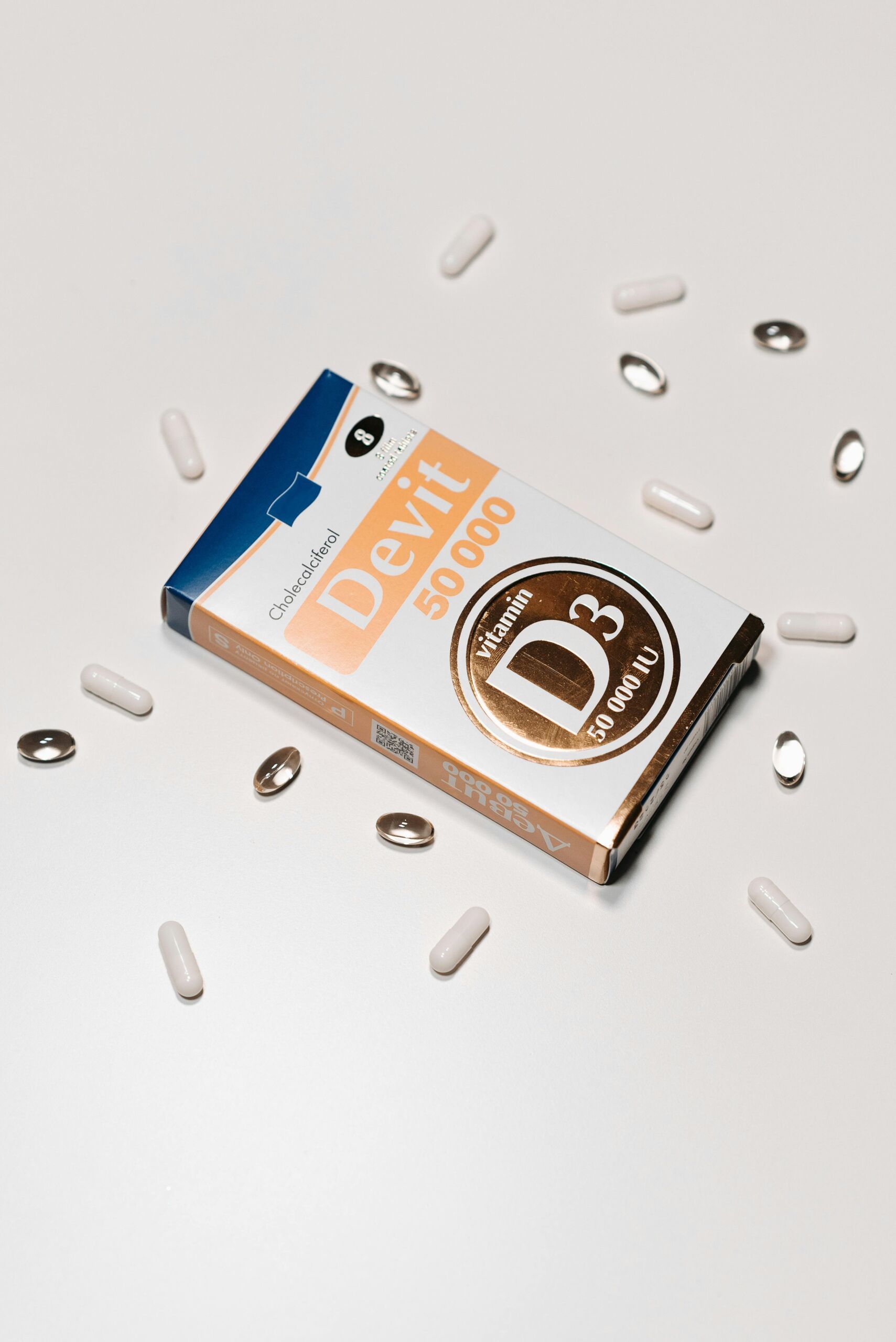
If you have ever wondered whether a simple supplement could help slow aging, new evidence offers a compelling clue. In a large, long-term randomized clinical trial sub-study, daily vitamin D3 preserved telomere length in older adults compared with placebo, an effect that translates to roughly three years of offset telomere shortening over four years. Omega-3 fatty acids, taken at a common supplemental dose, did not show the same benefit. The findings come from the VITAL Telomere sub-study, a rigorously designed arm of a U.S. trial best known for testing vitamin D and omega-3s on major health outcomes. While no single marker defines aging, telomere length is a key indicator that scientists track to understand how our cells weather time.
Why telomeres matter for healthy aging
Telomeres are protective caps on the ends of chromosomes that help safeguard genetic material as cells divide. They naturally shorten as we age, and faster shortening has been linked with higher risk of multiple age-associated conditions. Preserving telomere length is not a guarantee of better health, but it is considered one way to influence biological aging pathways. That is why researchers have long studied whether nutrition, lifestyle, or medications can slow telomere attrition. Until now, the evidence for supplements like vitamin D or omega-3s has been mixed and limited by small, short-duration studies.
Inside the VITAL Telomere sub-study
The VITAL trial, conducted across the United States, is a randomized, double-blind, placebo-controlled study that tested two interventions: 2,000 IU of vitamin D3 daily and 1 gram of marine omega-3 fatty acids daily. It enrolled women aged 55 and older and men aged 50 and older, and followed participants for five years. The telomere sub-study included 1,054 participants selected from the parent cohort. Researchers measured leukocyte telomere length at baseline, year 2, and year 4, comparing active supplementation with matched placebos for each agent. The sub-study was co-led by investigators from Mass General Brigham and the Medical College of Georgia.
What the researchers found
Participants randomly assigned to vitamin D3 showed significantly slower telomere attrition over four years than those on placebo. The magnitude of preservation was equivalent to roughly three years of expected telomere shortening, which suggests a meaningful shift in a biological marker of aging. In contrast, those assigned to omega-3 fatty acids did not show a significant effect on telomere length at any measured time point. The divergence bolsters the idea that vitamin D, rather than omega-3s at the tested dose, may influence this specific aging pathway. Importantly, these findings arise from a large, multi-year randomized design, which helps address prior uncertainties from smaller, inconsistent studies.
Possible reasons vitamin D helps
Vitamin D is known for its role in bone health, but its receptors are widespread in the body, including immune cells where telomeres were measured. Prior analyses from the VITAL parent trial reported reductions in certain inflammatory markers and signals of lower risk for some aging-related conditions, such as advanced cancer and autoimmune disease, among participants taking vitamin D. These patterns hint at mechanisms that could connect vitamin D to telomere maintenance, possibly through anti-inflammatory or immunomodulatory effects that reduce cellular stress. While the telomere findings do not prove cause to clinical benefit, they align with a broader picture in which vitamin D modulates pathways tied to aging biology. More research will be needed to map the exact links between these effects.
What this means for everyday decisions
For older adults evaluating supplements, this study positions vitamin D3 as a candidate for supporting healthier aging at the cellular level. It is a relatively low-cost, widely available option that showed a measurable effect on a validated biomarker. That said, telomere preservation is only one piece of the puzzle, and supplements should fit into a personalized plan that considers baseline vitamin D status, diet, sun exposure, medications, and health conditions. The omega-3 null result also matters, because it suggests not all popular supplements affect telomeres in the same way or at standard doses. Speaking with a healthcare professional can help determine whether vitamin D supplementation is appropriate and how it should be monitored.
Strengths, limits, and what comes next
The study’s strengths include its randomized, double-blind, placebo-controlled design, its large sample, and repeated telomere measurements over multiple years. Standardized dosing and rigorous laboratory methods add confidence to the results. Still, there are important caveats. The primary measure was leukocyte telomere length, and it is not yet clear how well these findings translate to other tissues that age at different rates. Researchers also need to determine which subgroups benefit most, whether effects vary by baseline vitamin D levels or genetics, and how telomere preservation relates to hard clinical outcomes such as disease incidence and mortality.
Future work will probe mechanisms that connect vitamin D to telomere biology, including inflammation and immune regulation. Additional trials can test different dosing thresholds, evaluate long-term safety, and track whether telomere preservation correlates with reduced risk for age-related diseases and improved survival. The null findings for omega-3s point to a specificity of effect that deserves closer biological investigation.
Who led and funded the work
Key investigators include JoAnn Manson and colleagues from Mass General Brigham, with collaborators from the Medical College of Georgia. The research was supported by the National Heart, Lung, and Blood Institute. Together, the teams delivered rare randomized-trial evidence that vitamin D can preserve telomere length over several years in older adults. The bottom line is clear enough for now. Vitamin D3 showed a measurable benefit on a biological aging marker, while omega-3 supplementation did not, and the next phase of research will aim to connect these cellular gains to real-world health outcomes.