
You can go quite a while without thinking about water. You get busy, have another cup of coffee, run errands — and suddenly it’s late afternoon and you realize you’ve barely had a glass.
But your body notices.
Water plays a role in nearly everything your body does, from regulating temperature to keeping digestion moving. And when you consistently don’t drink enough, some of the first effects can show up in surprisingly ordinary ways.
Here are six things that can happen when you stop drinking enough water.
1. Your Energy Can Drop
Feeling unusually tired? Before automatically reaching for another cup of coffee, think about how much water you’ve had.
When you become dehydrated, the amount of fluid circulating in your body decreases. Your heart and circulatory system have to work to keep blood and oxygen moving where they’re needed.
Even mild dehydration can leave some people feeling more tired or less alert, particularly during exercise or hot weather.
So that afternoon slump isn’t always a caffeine problem. Sometimes your body simply needs fluids.
2. Your Brain May Feel a Little Foggy
Your brain is sensitive to changes in hydration.
Research suggests that dehydration can affect aspects of concentration, mood and cognitive performance. You may find it harder to focus on a task or simply feel like you’re not quite as sharp as usual.
Headaches can also accompany dehydration in some people.
Of course, brain fog and headaches have many possible causes. But if they show up after a long day with very little to drink, water is an easy place to start.
But what if your water could do more?
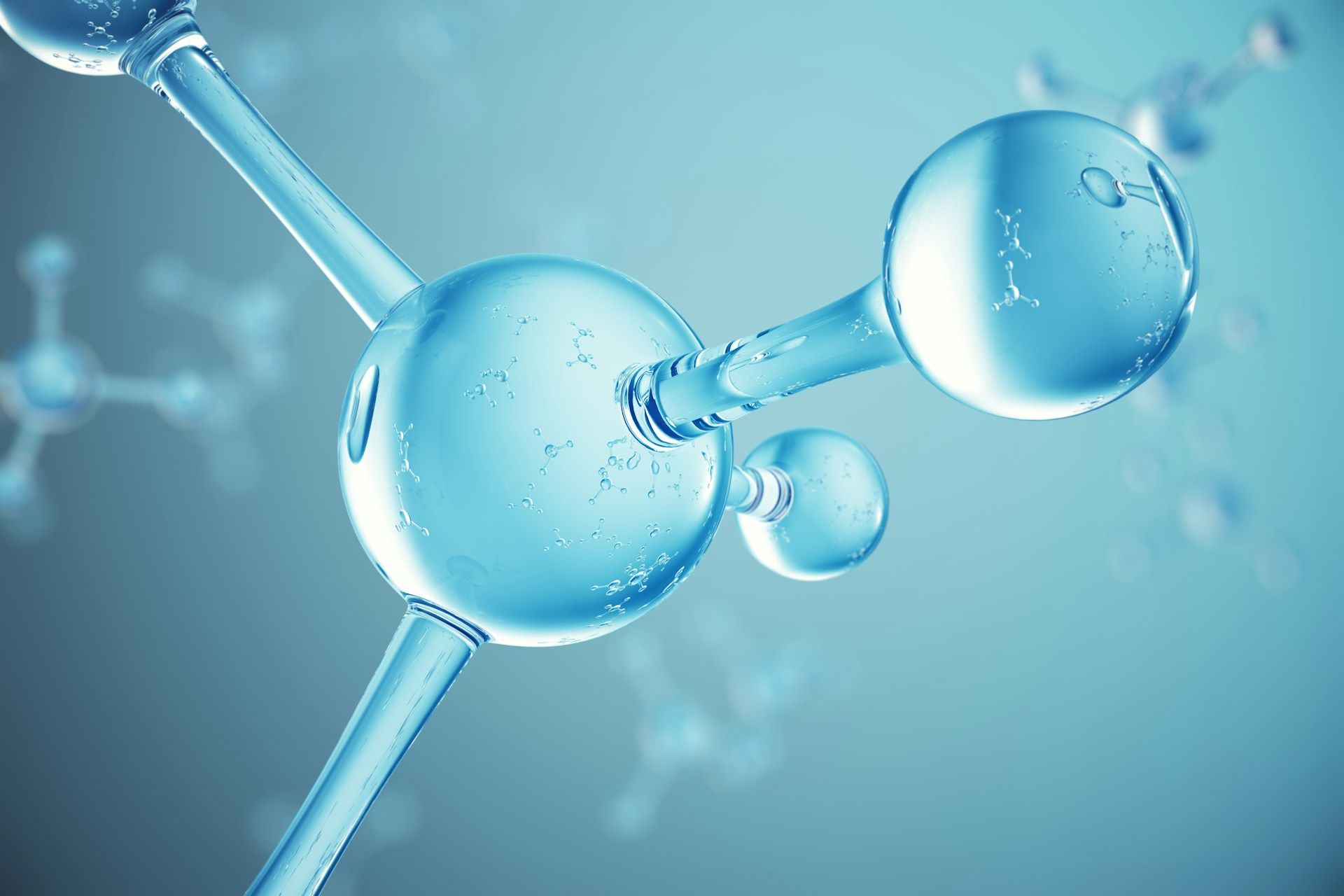
Researchers have been studying molecular hydrogen for years, and now there’s an incredibly simple way to add it to the water you’re already drinking: drop in a tablet, wait about 90 seconds, and drink.
→ Discover the 90-Second Hydrogen Water Ritual
3. Your Digestion Can Slow Down
Here’s one you may notice in the bathroom.
Water helps keep stool soft and easier to pass. When your body doesn’t get enough fluid, the colon can absorb more water from what’s moving through your digestive tract.
The result?
Harder, drier stools that may be more difficult to pass.
Drinking more water won’t solve every case of constipation, but adequate hydration — along with enough dietary fiber and physical activity — helps support normal bowel movements.
4. Your Urine Gets Darker
This may be one of your body’s easiest hydration clues to spot.
When you aren’t drinking enough, your kidneys conserve water. That makes your urine more concentrated, which typically causes it to become darker yellow.
Pale yellow urine generally suggests you’re adequately hydrated, while consistently darker yellow urine may mean it’s time for another glass.
Just remember that certain vitamins, foods and medications can also change urine color.
5. Exercise Can Suddenly Feel Harder
Water is particularly important when you’re active because your body loses fluid through sweat.
If you don’t replace enough of it, you may notice that a workout that normally feels manageable suddenly feels harder.
You might tire sooner, feel hotter or find that your usual pace requires more effort.
That’s why hydration matters before, during and after activity — especially when you’re exercising outdoors in hot or humid weather.
6. You May Feel Dizzy When You Stand Up
Ever stand up and suddenly feel a little lightheaded?
Dehydration is one possible reason.
When you’re dehydrated, lower blood volume can contribute to lower blood pressure and make some people feel dizzy or lightheaded, particularly when changing positions.
Don’t automatically assume dehydration is the cause, though. Frequent, severe or unexplained dizziness can have many causes and should be discussed with a healthcare professional.
How Much Water Do You Really Need?
You’ve probably heard the old advice to drink eight glasses of water a day, but your actual needs aren’t quite that simple.
How much fluid you need depends on factors such as your body size, activity level, environment, diet, medications and overall health. You also get water from other beverages and from foods such as fruits and vegetables.
Rather than obsessing over an exact number, make hydration a regular part of your day.
Keep water nearby. Drink when you’re thirsty. Have extra fluids when you’re exercising or sweating. And pay attention to simple clues such as dry mouth and unusually dark urine.
One caveat: certain heart, kidney and other medical conditions can require fluid restrictions, so people who’ve been given specific instructions by their healthcare provider should follow those instead.
Not drinking enough water doesn’t always produce one dramatic warning sign.
It may start with something much easier to dismiss: a headache, an afternoon energy crash, constipation, darker urine, a harder-than-usual workout or a moment of lightheadedness.
Fortunately, for otherwise healthy people with mild dehydration, the solution is often remarkably simple:
Pour yourself a glass of water.
But what if your water could do more?
Researchers have been studying molecular hydrogen for years, and now there’s an incredibly simple way to add it to the water you’re already drinking: drop in a tablet, wait about 90 seconds, and drink.
→ Discover the 90-Second Hydrogen Water Ritual