
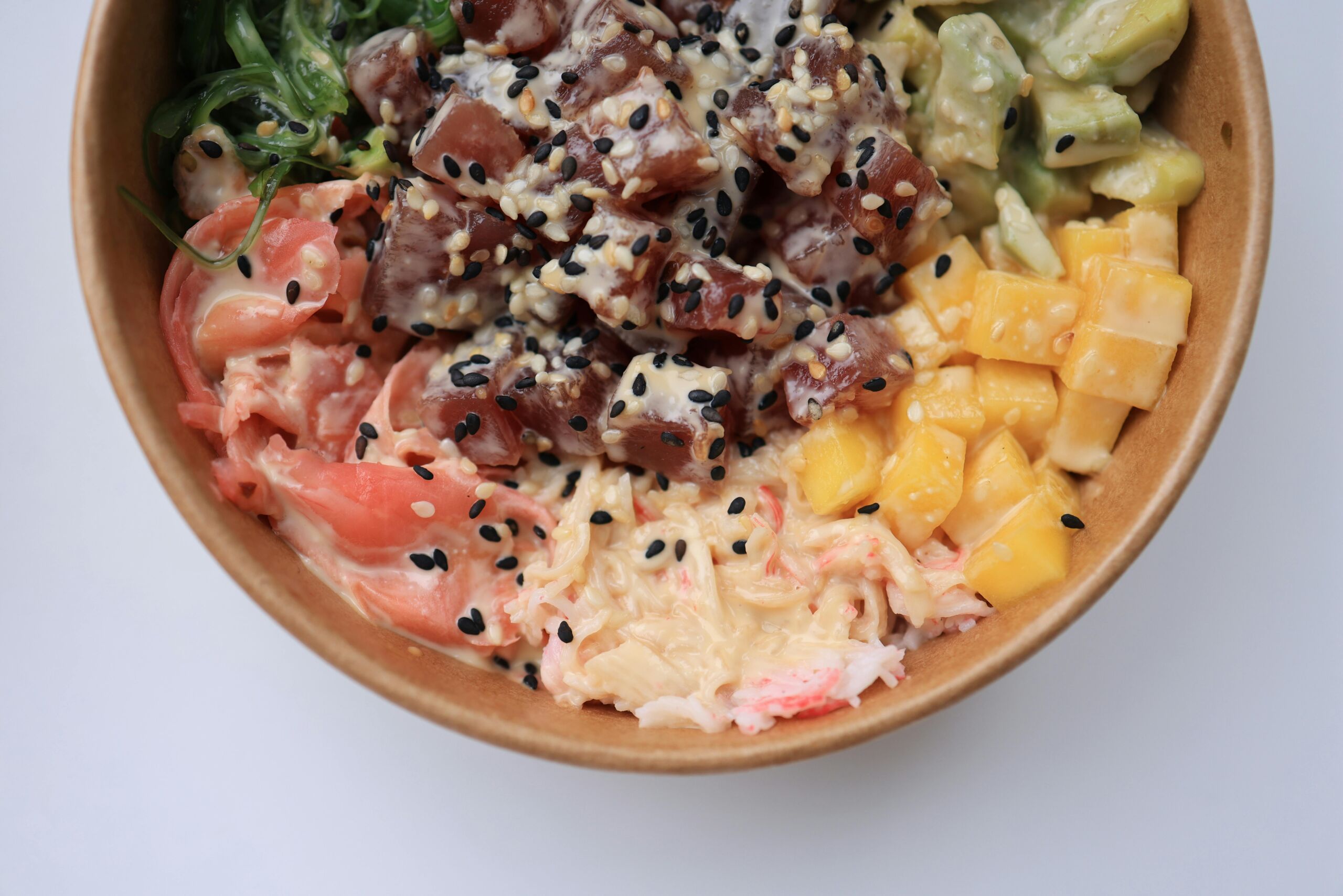
If Kirkland Signature ahi tuna wasabi poke made its way into your cart at a Costco deli this month, it is time to check your refrigerator. Federal authorities announced over the weekend that more than 3,000 pounds of the product were recalled in 33 states because of potential Listeria contamination. The producer, Western United Fish Company, which operates as Annasea Foods Group, distributed the poke on September 18. No illnesses have been reported to date, but officials urge customers to act quickly out of caution.
Listeria can cause severe illness, especially in people at higher risk. While healthy adults often experience short-term, flu-like symptoms, the infection can be dangerous in young children, older adults, and those with weakened immune systems. The Centers for Disease Control and Prevention estimates that Listeria causes about 1,600 illnesses and 260 deaths in the United States each year, which is why recalls tied to the bacteria are taken seriously. With this recall, the goal is to prevent any exposure before problems occur.
What Was Recalled and How to Identify It
The recall covers Kirkland Signature ahi tuna wasabi poke sold from Costco deli counters. The distribution date was September 18, and the product was available in the deli section rather than the standard packaged seafood aisle. If you purchased poke from Costco around that date, check your receipt, your Costco online account, or in-store notices to verify whether your purchase matches the recalled item. The product name and the date of purchase are the most important details to confirm. When in doubt, treat any Kirkland ahi tuna wasabi poke bought on September 18 as part of the recall.
Costco customers often receive notifications tied to their membership purchases, but not every transaction is captured the same way. If you are unsure, consider the timing of your last deli run and whether your poke contained wasabi and green onion. When you cannot verify, it is safer to dispose of the product rather than risk illness.
Why the Product Was Pulled
The supplier initiated the recall after learning that green onions used in the poke tested positive for Listeria. Although the contamination was linked to a component rather than the tuna itself, the company and federal officials moved to remove the product from shelves as a precaution. Listeria can survive in refrigerated environments, so even chilled foods can carry risk when exposed. The Food and Drug Administration posted the notice to alert consumers across the broad distribution area. Early action helps prevent illness, especially when ready-to-eat foods are involved.
Officials emphasize that no illnesses connected to this recall have been reported. That does not rule out exposure, since symptoms can develop within days and sometimes later. The recall is meant to reduce the chance that anyone becomes sick.
Health Risks and Symptoms to Watch
Listeria infection can range from mild to severe. In otherwise healthy adults, symptoms may include fever, chills, muscle aches, nausea, vomiting, and diarrhea. In higher-risk groups such as young children, older adults, and people with weakened immune systems, the infection can lead to more serious complications, including bloodstream infection or meningitis. Because Listeria can be serious, quick recognition of symptoms matters. If you ate the recalled poke and feel unwell, consider contacting a healthcare provider for guidance.
According to the CDC, Listeria leads to a disproportionate number of hospitalizations compared with many other foodborne pathogens. Mortality is higher as well, which underscores why a precautionary recall is an appropriate step even when no illnesses are confirmed.
Where and When It Was Sold
The recalled poke was sold through Costco deli counters in 33 states on a single date, September 18. Although the geographic footprint is wide, the time window is narrow, which helps limit the number of potentially affected purchases. The weekend disclosure ensured the public received the information quickly and could act before consuming leftover portions. If you shopped multiple Costco locations or traveled between states, use your receipts and membership records to track any deli purchases.
What Consumers Should Do Now
If you have Kirkland Signature ahi tuna wasabi poke at home, do not eat it. Dispose of the product promptly, and consider placing it in a sealed bag before throwing it away to prevent cross-contamination. Clean any surfaces, containers, or utensils that may have come into contact with the poke with hot, soapy water. Customers can return to Costco for a full refund; you do not need the original packaging to begin the conversation at the customer service desk.
When you are uncertain whether your poke is part of the recall, choose the safer route. The cost of a replacement meal is small compared with the risk of a serious infection.
When to Seek Medical Care
Anyone who ate the recalled poke and develops symptoms consistent with Listeria should contact a healthcare provider. Mention the recall, the date you purchased the product, and when you consumed it. Early evaluation is especially important if you are older, immunocompromised, or caring for a young child who may have been exposed. Healthcare professionals can advise on next steps, including testing and monitoring.
Staying Informed
Details about this recall come from an FDA notice, and symptom guidance aligns with information from the CDC. For updates, monitor FDA recall alerts and check your Costco member communications. Quick, informed action helps protect households, especially when ready-to-eat foods like poke are involved. If you have questions about in-store procedures, reach out to your local Costco deli for clarification on how to verify purchases connected to the September 18 distribution.