If you are squeezing in a few more early fall evenings outdoors, state health officials want you to take extra care. The Massachusetts Department of Public Health (MDPH) confirmed two additional West Nile virus infections, bringing the state’s season total to eight human cases and expanding risk alerts in several communities. The update comes as cases continue to pop up across much of the country this year, a reminder that the virus is a recurring late-summer threat. While the overall season is winding down, health leaders say risk remains until the first hard frost.
What the new cases mean
MDPH announced the latest infections on Friday, Sept. 26. The cases involve a woman in her 60s from Middlesex County and a man in his 50s from Suffolk County. With these additions, Massachusetts has now recorded eight human cases for the current season. The agency’s alert underscores that local exposure is possible in many parts of the state during this time of year.
Where risk is rising
Following the new cases, Arlington, Chelsea, Medford, and Waltham have been elevated to high risk for West Nile virus. According to MDPH, the high-risk classification now applies to 47 municipalities, while virus risk levels in general cover a broader set of 210 cities and towns statewide. These changes reflect ongoing mosquito surveillance and late-season transmission. The agency’s mapping is designed to help residents and local officials gauge conditions on the ground as temperatures fluctuate.
Why this is happening now
Massachusetts is nearing the end of its typical transmission window, yet history shows the danger does not disappear overnight. Over the past decade, the vast majority of West Nile illnesses in the state have occurred in August and September, with a smaller share beginning after Oct. 1. Risk persists until the first hard frost, which usually curtails mosquito activity and reduces the chance of human infection. Weather patterns that delay sustained cold can extend exposure, especially in communities with ongoing mosquito activity.
How to protect yourself right now
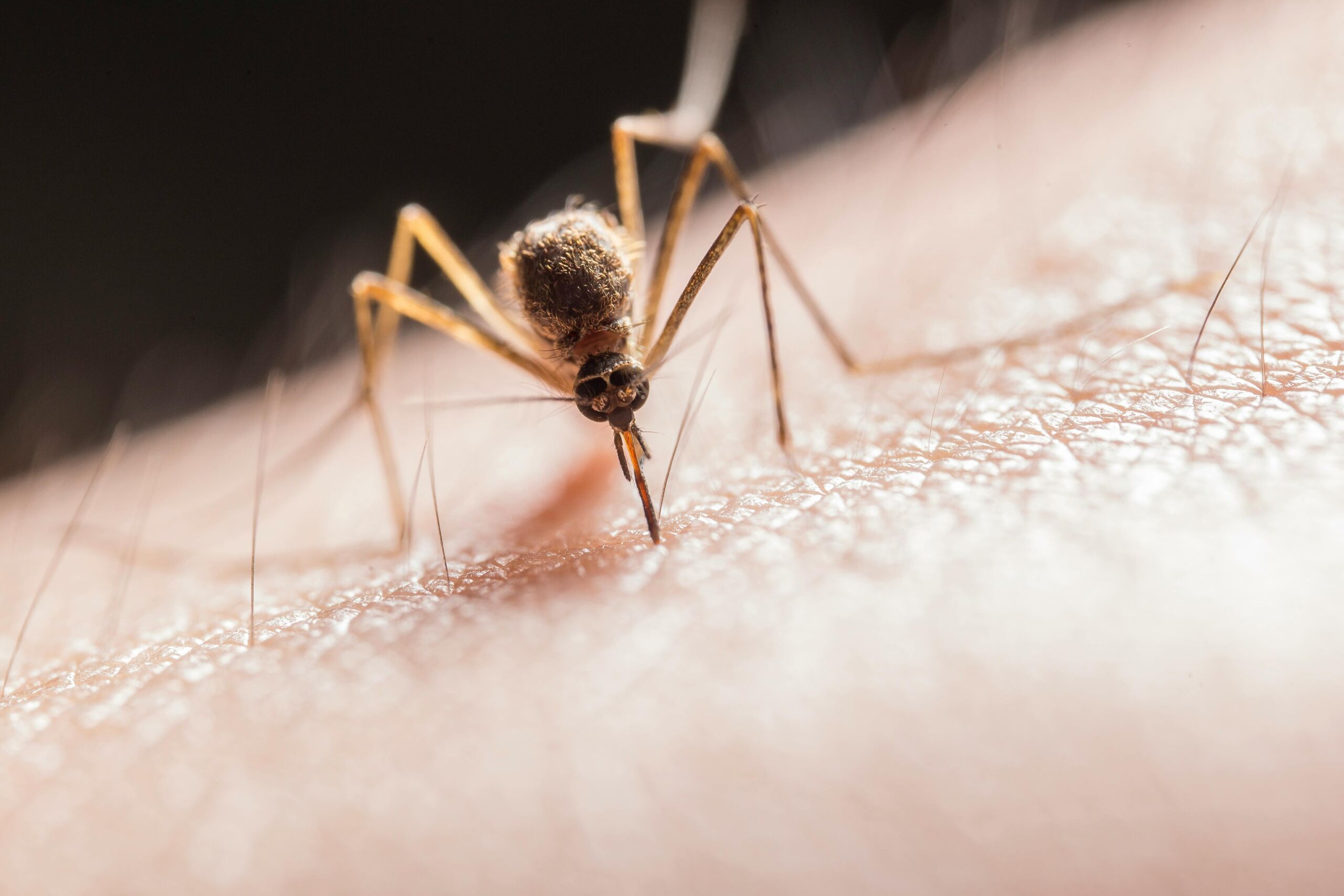
Public health officials urge residents to cut down on mosquito bites during this stretch of the season. Use EPA-registered insect repellents as directed and wear long sleeves and long pants to reduce skin exposure when you are outdoors. These simple steps help lower the odds of infection and are especially important during dawn and dusk when mosquitoes are often active. Continued vigilance is recommended until sustained cold weather arrives.
The national picture
West Nile virus activity is not confined to New England. As of Sept. 23, the Centers for Disease Control and Prevention reports 1,137 human cases across 42 states. Of these, 742 are classified as neuroinvasive, which means the infection involves the central nervous system. Those figures highlight a broader public health challenge that dovetails with local trends in Massachusetts.
Symptoms and when to seek care
Many people infected with West Nile virus do not feel sick, but mild illness can resemble the flu. Common symptoms include fever, headache, body aches, and joint pain, along with possible vomiting, diarrhea, and a rash. More serious illnesses can develop in a smaller number of cases and require prompt medical attention. Warning signs include high fever, stiff neck, confusion or disorientation, tremors, seizures, muscle weakness, vision changes, numbness, or paralysis. Symptoms typically begin within two to six days of exposure, although onset can take up to two weeks.
Treatment and prevention
There is no specific antiviral therapy for West Nile virus. Care focuses on relieving symptoms and supporting recovery, which is why prevention is the cornerstone of protection. Personal measures like using repellents and wearing protective clothing reduce bites, while community-level mosquito control helps limit virus spread. As the season edges toward colder weather, taking these precautions can make the difference between a routine fall and a preventable illness. Residents can track local risk updates through MDPH and should stay alert until a hard frost has settled in.