
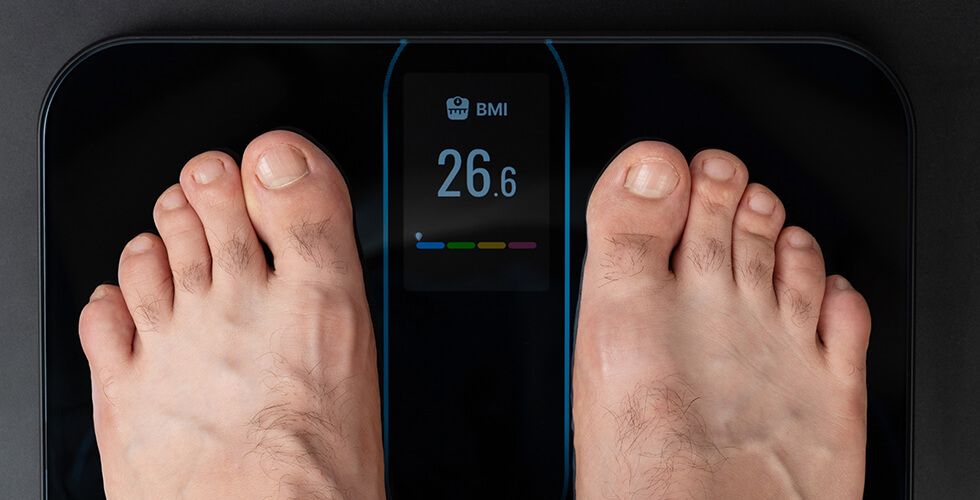
For decades, doctors have relied on BMI as the gold standard for assessing our health, but a new study suggests it’s time to reconsider this outdated metric and focus on what truly matters: body fat.
BMI, or body mass index, is calculated by dividing your weight by your height squared. It’s quick and cheap — but far from precise. According to researchers from Harvard and the University of Florida, BMI often gets it wrong by ignoring the proportion of muscle, bone, and fat in the body. That means a fit, muscular person might be flagged as “obese,” while someone who’s “skinny fat” — thin but loaded with hidden visceral fat — flies under the radar.
A better solution? Bioelectrical impedance analysis, or BIA. This scan utilizes tiny electrical currents to measure body fat, muscle, and water weight, providing a clearer picture of what’s happening inside. In the study, adults aged 20 to 49 with high body fat were 262% more likely to die of heart disease within 15 years, but BMI alone didn’t flag any added risk.
“This is a game-changer for how we think about body composition,” says Dr. Frank Orlando of the University of Florida Health. Unlike expensive DEXA scans, BIA is an affordable and practical option for clinics.
One caution: at-home BIA gadgets can be wildly inaccurate if you’re dehydrated, so experts recommend clinic-based scans for real insight.
With obesity and heart disease on the rise, experts say it’s time to stop guessing with BMI and measure what really counts — your body fat. It could mean identifying silent risks sooner, treating them more effectively, and helping more people live longer, healthier lives.