
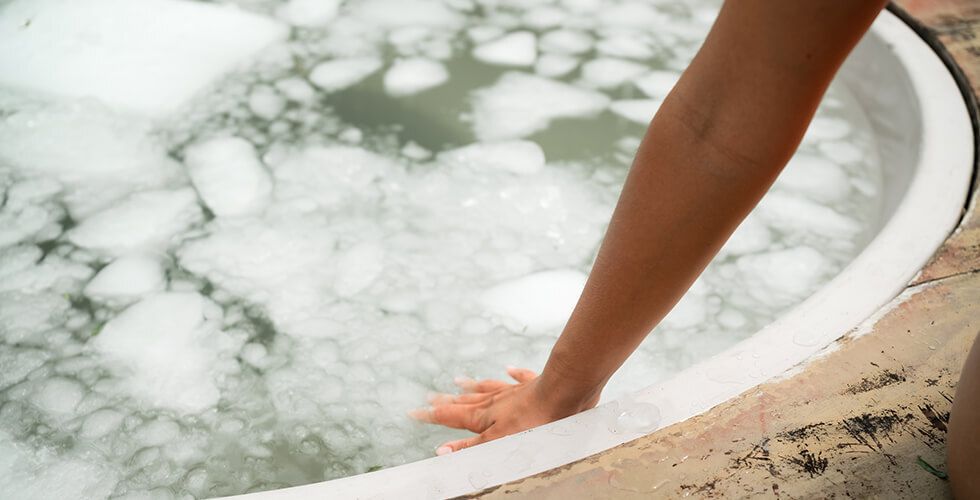
Ice baths are everywhere—from high-end wellness studios to backyard setups and viral Instagram reels. Marketed as a miracle recovery tool, mood booster, and discipline hack, cold plunges are booming. The global market for cold plunge tubs soared to $338 million in 2024 and is projected to top $483 million by 2033. But while influencers soak in freezing water with serene smiles, experts are sounding the alarm.
Cold exposure isn’t new—Romans had frigidariums, and athletes have long used cold water for muscle recovery. But today’s trend often oversells the benefits and glosses over the risks. Claims that ice baths boost testosterone, serotonin, or metabolism lack solid scientific backing. The real, proven benefits? Minor relief from post-workout soreness and, for some, a short-term mood lift.
The real danger lies in the “cold shock” response: rapid breathing, increased heart rate, and spiking blood pressure when the body hits water below 15°C (59°F). In extreme cases, this can trigger heart attacks or strokes, especially in people with undiagnosed heart conditions. Even healthy individuals can experience hypothermia, nerve damage, or fainting, especially when sessions last too long.
Case in point: A young man in Sydney collapsed after 10 minutes in a cold plunge. He suffered from uncontrollable shivering and confusion—a textbook cold shock response.
If you’re going to do it, do it smart.
Here are 6 must-follow safety tips:
- Consult your doctor first, especially for heart or respiratory conditions.
- Know your limits—fitness doesn’t make you immune.
- Ease in—start with warm-to-cold showers.
- Never go solo—have a buddy present.
- Keep sessions short—3 to 5 minutes max.
- Watch for warning signs—shivering, numbness, confusion = red flags.
Ice baths aren’t for everyone. Push the limits—but not at the cost of your health.