What you don’t know about that “natural” supplement on your store shelf could cost you — or someone you love — their life.
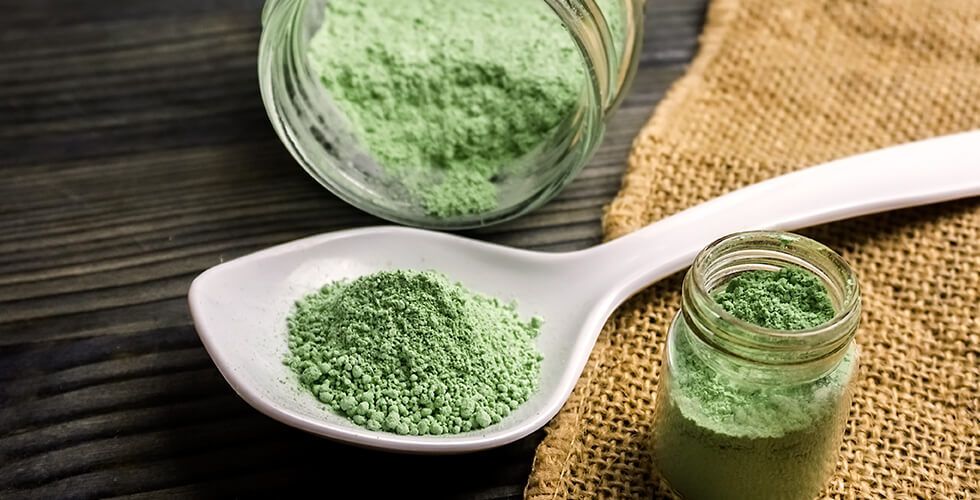
In April 2022, 37-year-old Jordan McKibban from Washington, a healthy, vibrant man who “loved life,” mixed a scoop of powdered kratom into his lemonade after work. Hours later, his mother, Pam Mauldin, found him collapsed and unresponsive on the bathroom floor. Despite her desperate efforts to revive him, Jordan never woke up.
The autopsy revealed that mitragynine — a psychoactive compound found in kratom — was responsible for his sudden death.
Kratom, marketed as a “natural remedy,” is derived from a Southeast Asian tree and often sold to relieve pain, anxiety, and opioid withdrawal. But don’t let the “plant-based” label fool you. The U.S. Food and Drug Administration (FDA) calls kratom “unsafe and ineffective,” warning that it can cause seizures, hallucinations, liver damage, high blood pressure, and in some cases, death.
Despite these warnings, kratom remains legally sold in many U.S. gas stations and convenience stores, often unregulated and misleadingly labeled as a dietary supplement. Meanwhile, countries like the UK have banned it entirely under the Psychoactive Substances Act.
Dr. Robert Levy from the University of Minnesota cautions, “Just because something is ‘natural’ doesn’t mean it’s safe.”
Pam Mauldin, now living with an unimaginable loss, pleads with others: “I’ve lost watching my son live the life he deserved. He should not be in a cemetery.”
Let this serve as a stark warning: Natural doesn’t mean harmless. Read labels, know the risks, and don’t assume a supplement is safe just because it’s sold over the counter.