
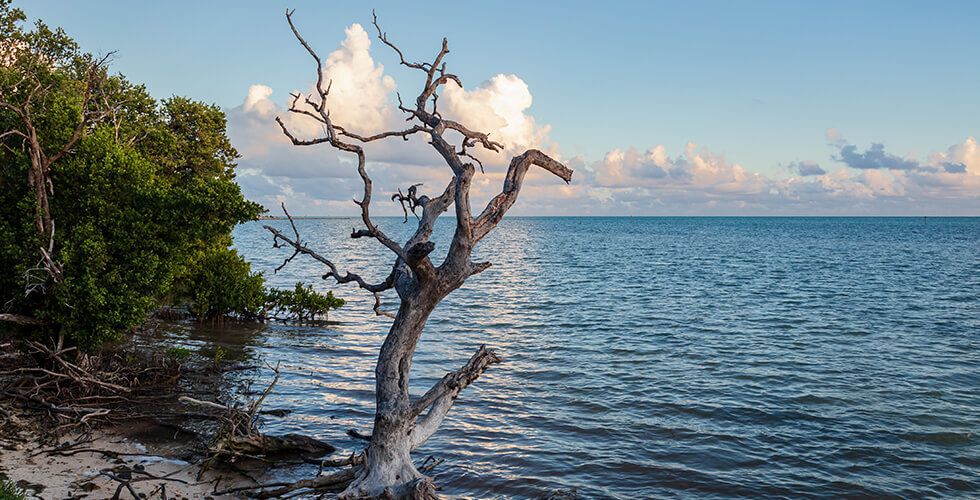
Health officials are sounding the alarm across Gulf Coast states after a flesh-eating bacteria, Vibrio vulnificus, has led to 8 deaths and 32 reported illnesses so far this year. The bacteria, which thrives in warm, brackish seawater, is now a growing summertime threat.
In Louisiana, officials confirmed 17 cases, all requiring hospitalization, with four proving fatal. Florida has also seen 13 infections and another four deaths. Mississippi and Alabama have each reported one case.
The culprit? Vibrio vulnificus, a bacteria naturally found in coastal waters, particularly dangerous between May and October when water temperatures rise. While most commonly contracted by eating raw or undercooked shellfish—especially oysters—it can also enter the body through open wounds, piercings, or fresh tattoos exposed to seawater.
The Centers for Disease Control and Prevention (CDC) estimates Vibrio causes around 80,000 illnesses annually in the U.S. Although treatable with antibiotics, the infection can escalate quickly. In severe cases, tissue death may require limb amputation—and for roughly 1 in 5 people, the bacteria proves fatal. Death can occur in as little as 48 hours after symptoms begin.
Warning signs vary by how the bacteria enters the body. Infections can cause high fever, chills, blistering skin lesions, swelling, or severe gastrointestinal distress. Those with liver disease, weakened immune systems, or chronic health conditions are at higher risk of severe outcomes.
Health departments urge caution: avoid exposing open wounds to coastal waters, skip raw oysters, and seek immediate medical help if symptoms appear after swimming or eating seafood. In warm Gulf waters, one dip could mean danger.