
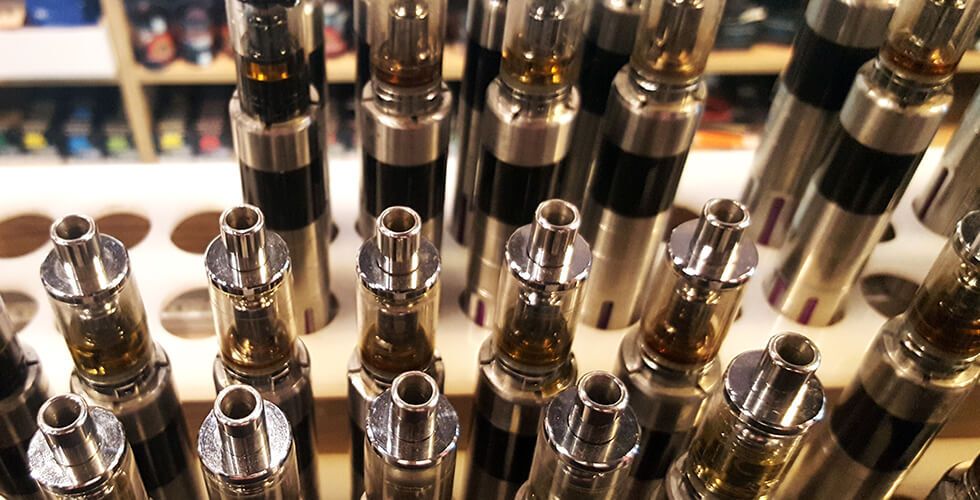
Health officials are sounding the alarm over 7-hydroxymitragynine (7-OH), a powerful byproduct of the kratom plant now being sold in vape shops and convenience stores across the country. Dubbed “gas station heroin,” the compound is under review by the FDA to be classified as a Schedule I drug — the same category as heroin and LSD.
FDA Commissioner Dr. Marty Makary compared the threat to the early days of the opioid crisis. “7-OH is an opioid that can be more potent than morphine,” Makary said. “We cannot afford to get caught flat-footed again.” He noted the compound’s growing popularity among teens, as it’s often disguised in fruit-flavored gummies and even ice cream cones, sometimes without clear labeling.
HHS Secretary Robert F. Kennedy Jr. backed the move, sharing his struggle with heroin addiction and warning about the dangers of easy access. “The problem was the availability,” Kennedy said. “It was too easy to get.”
The FDA reports that 7-OH binds strongly to opioid receptors, making it highly addictive. While kratom itself is a tropical plant long used in Southeast Asia, the concentrated 7-OH derivative is far more potent. None of its forms are FDA-approved for medical use, despite being marketed as supplements or pain relievers.
Sen. Markwayne Mullin (R-Okla.) praised the action, citing his family’s experience with addiction. “It’s an addiction that is ruining lives,” he said.
The warning comes as the CDC reports a nearly 27% drop in overdose deaths in 2024, largely due to fewer opioid-related fatalities. Officials fear unregulated 7-OH products could reverse that progress.
Makary urged parents to pay attention: “Vape stores are popping up in every neighborhood. Without education and regulation, we risk another wave of the opioid epidemic starting right under our noses.”