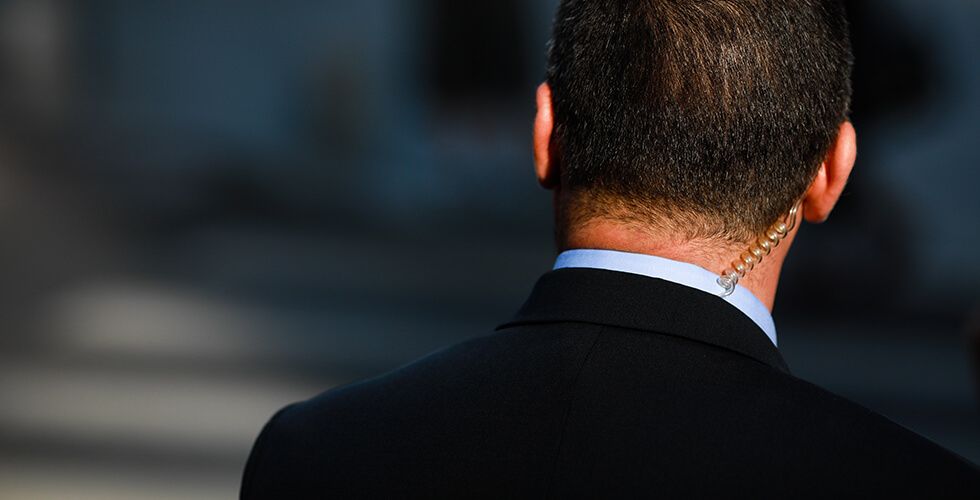
In a stunning revelation that confirms what many Trump supporters have long suspected, a new Senate report reveals the U.S. Secret Service repeatedly denied critical security upgrades ahead of the July 2024 assassination attempt on President Donald J. Trump in Butler, Pennsylvania.
Despite multiple urgent requests from Trump’s protective detail—including enhanced drone defenses, counter-assault teams, and snipers—the Secret Service left at least ten of those calls for backup unanswered. The result? A 20-year-old gunman opened fire at close range, grazing the President’s ear, killing a supporter, and seriously wounding two others.
Senator Rand Paul called it a “cascade of errors,” pointing to a culture of denial and cover-up within the agency. “This was a preventable tragedy,” Paul stated, adding that without congressional pressure, “there wouldn’t have been any accountability.”
Shockingly, former Secret Service Director Kimberly Cheatle testified under oath that no requests were denied—a testimony now proven false. Cheatle resigned soon after, but the damage was done.
Even more alarming, the agent responsible for coordinating communications with local law enforcement never even contacted them directly—he learned about a second command post by accident, just days before the rally.
This wasn’t just a mistake. This was institutional failure, and many are asking whether political bias played a role in denying Trump the protection he deserved.
President Trump survived that day because of sheer providence and the quick action of a sniper, but the question remains: Why were his security needs so blatantly ignored?
As the Secret Service scrambles to repair its shattered reputation, the American people—and the Trump movement—are demanding answers, accountability, and reforms to make sure this never happens again.