
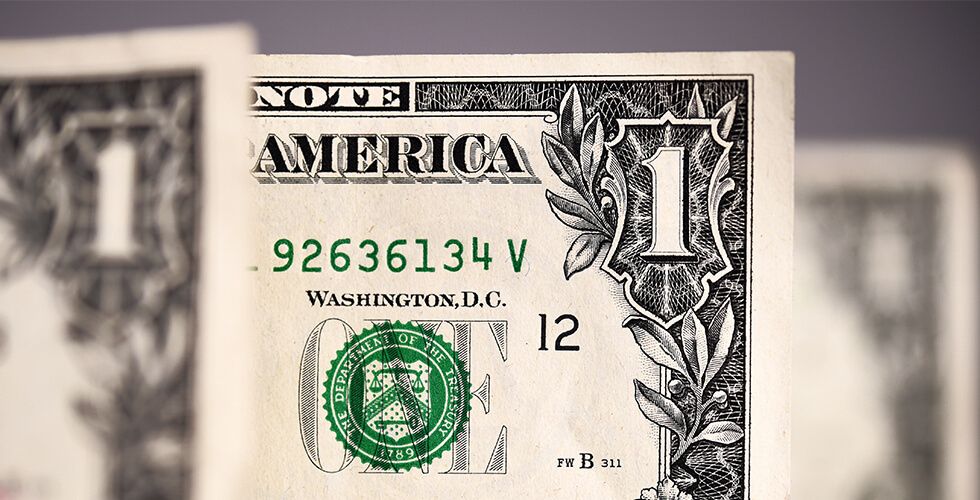
In retirement, every dollar counts—and not always in a good way. One unplanned dollar of income could trigger tax traps, higher Medicare premiums, or the loss of valuable deductions. Financial experts call it the “Rule of $1 More”—the idea that crossing a threshold by even a single dollar can have outsized financial consequences.
Take Medicare’s IRMAA surcharge, for example. If your modified adjusted gross income (MAGI) exceeds $103,000 (single) or $206,000 (married) in 2025—even by $1—you could pay hundreds more in monthly Medicare premiums. That’s not a gradual increase; it’s a cliff.
Social Security taxes are another hidden landmine. Up to 85% of your benefits can become taxable once your provisional income—half your Social Security plus all other income—passes $34,000 (single) or $44,000 (married). Despite inflation, these thresholds haven’t changed in decades.
Then there’s capital gains. Retirees often qualify for the 0% federal tax rate on long-term gains—but add $1 in ordinary income, and suddenly those gains can be taxed at 15% or even 20%.
Pre-tax withdrawals from IRAs and 401(k)s count toward all these thresholds, and once required minimum distributions (RMDs) kick in at age 73, you could unintentionally blow past multiple limits.
How to stay safe?
- Strategic Roth conversions in low-income years can reduce future tax exposure.
- Qualified charitable distributions (QCDs) from IRAs satisfy RMDs without raising taxable income.
- Diversify account types—Roth, taxable, and traditional—to control your income flow.
- Work with a tax pro yearly to fine-tune your withdrawal strategy.
The Rule of $1 More may sound small, but ignoring it could cost you tens of thousands over your retirement. Plan smarter, and don’t let one dollar undo decades of savings.