
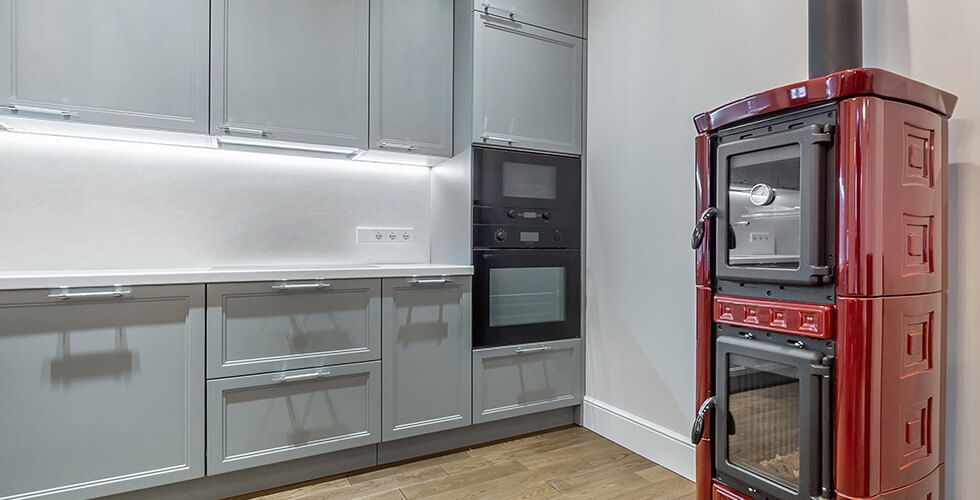
Wood-burning stoves may carry a green reputation, but new research shows even the latest eco-design models can quietly pollute the air inside your home. A study from the University of Surrey’s Global Centre for Clean Air Research (GCARE) reveals that these stoves—often marketed as cleaner, safer alternatives—can still release dangerous levels of fine particles, carbon monoxide, and black carbon.
What the Study Found
Researchers monitored homes in Guildford, Surrey, burning different fuels—seasoned wood, kiln-dried wood, briquettes, and smokeless coal. While open fireplaces were the worst offenders, eco-design stoves still caused sharp spikes in harmful pollutants during lighting, refueling, and ash removal. Even with high-efficiency models, indoor levels of ultrafine particles frequently exceeded World Health Organization (WHO) safety guidelines.
Surprisingly, some fuels considered “cleaner” weren’t. Wood briquettes and smokeless coal increased ultrafine particle exposure compared with seasoned wood—challenging common assumptions about processed fuels.
Why Ventilation Matters
The study also highlighted how everyday factors affect air quality. Keeping windows closed while burning tripled indoor pollution levels, and smaller rooms or longer burning periods worsened exposure. Simple choices—like opening a window—can dramatically reduce health risks.
Health Risks at Stake
Short- and long-term exposure to stove emissions is linked to respiratory disease, heart problems, cancer, and even damage to vital organs. With energy prices pushing more households toward solid fuels, researchers warn that public awareness and building design standards must adapt quickly.
“Even the most efficient stoves can pose risks if ventilation is poor or they’re used for long periods,” explains GCARE researcher Abidemi Kuye.
The Takeaway
Your cozy winter fire may come with a hidden cost: your health. If you rely on a stove, prioritize good ventilation, choose seasoned wood, and limit burning duration. Modern designs help—but they’re no silver bullet against indoor pollution.