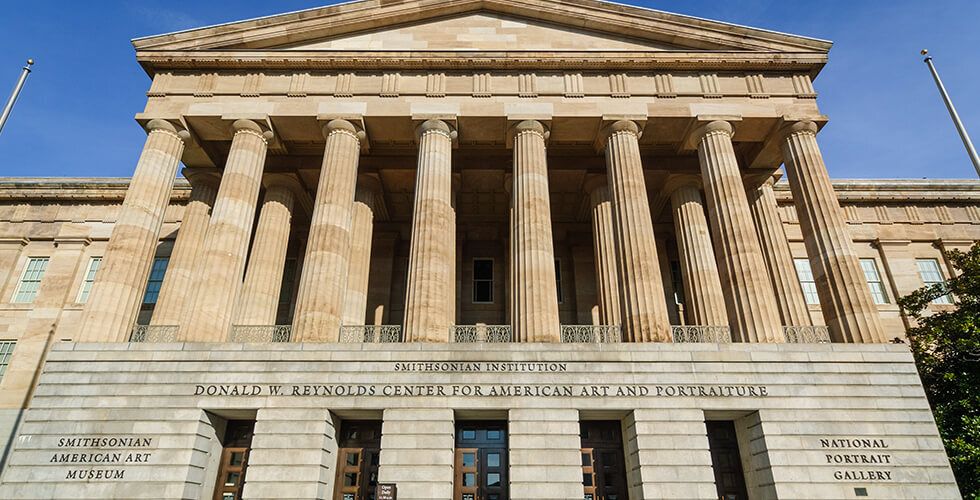
The Trump Administration has launched a sweeping “comprehensive internal review” of eight Smithsonian museums, aiming to align them with President Trump’s cultural directives ahead of America’s 250th anniversary. In a letter to Smithsonian Secretary Lonnie Bunch—signed by White House officials Lindsey Halligan, Vince Haley, and Russell Vought—the administration called for celebrating “American exceptionalism,” removing “divisive narratives,” and reinforcing public trust in national institutions.
The first phase targets high-profile museums, including the National Museum of American History, National Museum of Natural History, National Museum of African American History and Culture, National Museum of the American Indian, National Air and Space Museum, Smithsonian American Art Museum, National Portrait Gallery, and Hirshhorn Museum. The review will scrutinize exhibition texts, social media, curatorial processes, and visitor engagement. Museums must submit grant documentation, permanent collection inventories, and survey data on a strict 30-, 75-, and 120-day timeline. Within 120 days, content revisions are expected to replace “ideologically driven” language with “historically accurate and unifying” messaging.
This move comes after the National Museum of American History quietly removed references to Trump’s impeachments earlier this year. The Smithsonian has pledged to remain “free from political or partisan influence” and protect its scholarly independence, while some cultural leaders argue that altering exhibits to fit political aims undermines museum credibility.
The review follows Trump’s March executive order accusing the Smithsonian of promoting “divisive, race-centered ideology.” Controversies have mounted, including the resignation of National Portrait Gallery Director Kim Sajet and the cancellation of an Amy Sherald exhibition over a politically charged artwork.
While the White House insists the process will be “collaborative” and avoid interference in daily operations, critics like Georgetown art history professor Lisa Strong warn that curatorial content should not be dictated by political agendas. The administration expects the review to conclude in early 2026.