
Iran’s Supreme Leader, Ayatollah Ali Khamenei, has flatly rejected former President Donald Trump’s call for “unconditional surrender” as Israeli airstrikes continue to devastate Iranian military and nuclear infrastructure. In a nationally broadcast speech on June 18, the 86-year-old cleric warned the U.S. to stay out of the conflict or face “irreparable damage.”
“The Iranian nation is not one to surrender,” Khamenei declared. His remarks followed Trump’s stern message the day before, in which he warned, “We are not going to take him out—at least not for now. Our patience is wearing thin.”
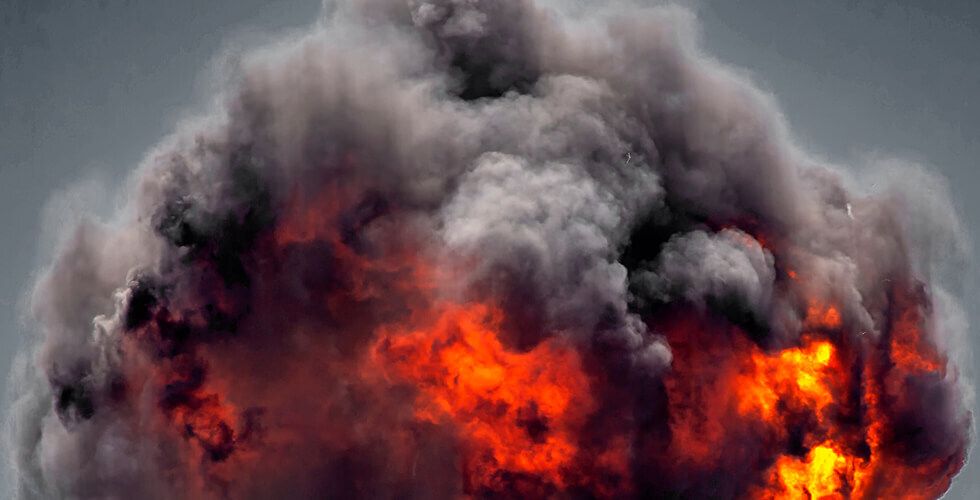
Israel’s campaign, now in its sixth day, has hit over 1,100 military and nuclear-related targets across Iran, including the TESA Karaj workshop and Tehran Research Center—both linked to uranium enrichment. Explosions rocked eastern Tehran Tuesday, and Israeli officials report “significant blows” to Iran’s regime, pushing its forces deeper inland toward Isfahan.
According to the Human Rights Activists News Agency (HRANA), at least 585 people have died, including 239 civilians and 126 military personnel. Over 1,300 are injured, and panic is widespread. Highways out of Tehran are gridlocked, while thousands flee by land to Turkey and Armenia.
Iran has fired back, launching dozens of missiles at Israel. Twenty-four Israelis, all civilians, have been killed in the unprecedented retaliatory strikes.
With Iran’s airspace closed and fears of nuclear escalation rising, foreign ministers from Russia and Germany are warning that the region stands on the brink of catastrophe. Trump, after meeting with his National Security Council, left the door open for potential U.S. involvement, especially if Israel targets Iran’s heavily fortified Fordow site, reachable only with American bunker-buster bombs.
As the Middle East edges closer to a broader war, the world watches and waits for the next move.
