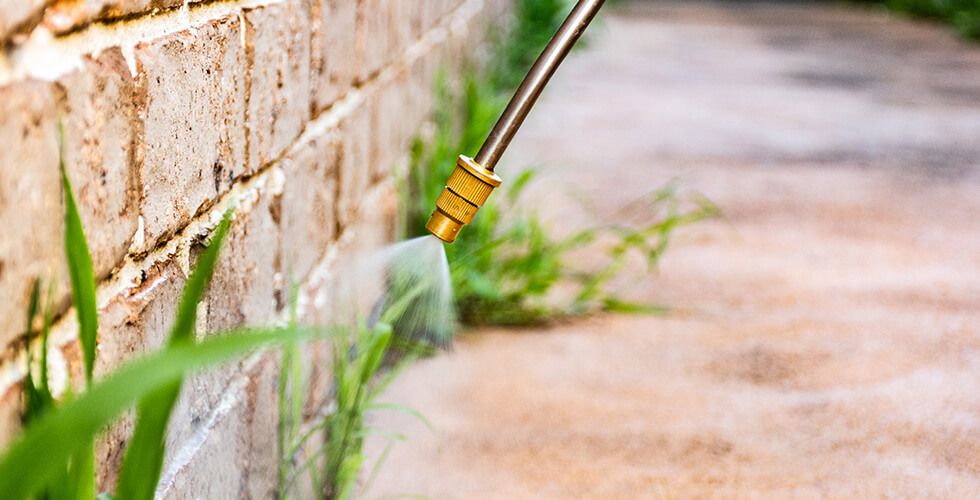
A new wave of research is raising alarm bells about diquat, a powerful weedkiller ingredient that’s quietly filling the gap left by glyphosate in popular herbicides like Roundup. Though diquat is banned in the UK, EU, China, and dozens of other countries, it’s still widely used across American vineyards, orchards, and farms—despite mounting evidence that it could be even more harmful than the chemicals it replaced.
A recent scientific review has revealed that diquat may wreak havoc on human health in multiple ways. Not only does it kill weeds on contact, but it can also harm beneficial gut bacteria, weaken the intestinal lining, and open the door for toxins and pathogens to enter the bloodstream, thereby fueling inflammation throughout the body. Researchers have found that this damage disrupts nutrient absorption and healthy metabolism, and can even harm vital organs, such as the kidneys, liver, and lungs.
The concerns don’t stop there. Diquat has been flagged as a potential neurotoxin and carcinogen, with links to Parkinson’s disease. According to Friends of the Earth, the herbicide is estimated to be 200 times more toxic than glyphosate when it comes to chronic exposure.
Despite these red flags, the EPA has shown little sign of cracking down. Environmental health advocates warn this is a classic case of “regrettable substitution”—swapping one toxic chemical for another. Nathan Donley of the Center for Biological Diversity says, “Other countries banned diquat years ago, but here we’re still fighting battles Europe won decades ago.”
As Bayer, the maker of Roundup, faces tens of thousands of lawsuits over glyphosate, the shift to diquat could be trading one crisis for another. Gardeners and farmers alike may want to think twice before reaching for that weedkiller.
