
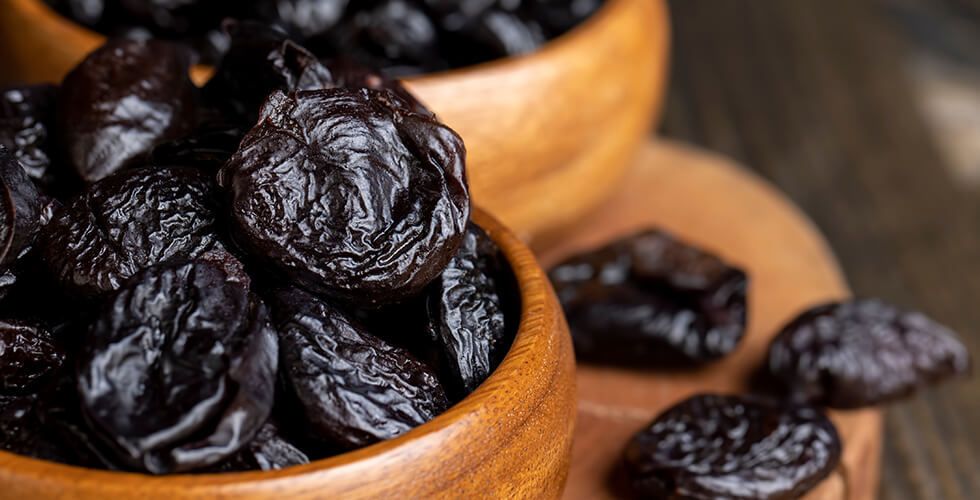
Prunes may have a reputation as a natural remedy for constipation, but new research suggests their benefits stretch far beyond digestive health. Studies now show that eating prunes regularly could support healthier cholesterol levels, reduce inflammation, and even improve heart health.
A 2021 study found that adults who ate 50–100 grams of prunes daily—about five to ten pieces—experienced reduced markers of heart disease risk. According to co-author Dr. Shirin Hooshmand of San Diego State University, these improvements are likely tied to the prunes’ rich antioxidant content, which helps combat oxidative stress while lowering LDL cholesterol.
While fresh plums share similar nutrients, prunes may pack a stronger punch. The drying process not only extends shelf life but also concentrates beneficial compounds, making them a practical everyday choice. “You might have to eat more plums to get the same benefits,” explains Dr. Maya Vadiveloo, a nutrition professor at the University of Rhode Island. Eating five to ten dried prunes is also easier than consuming several fresh plums—and more beneficial than prune juice, which lacks the same fiber content.
Most research so far has focused on postmenopausal women and men over 55, but experts believe younger adults can reap the same cardiovascular benefits. Still, prunes aren’t a magic bullet. As Vadiveloo notes, “You can’t add prunes to a diet rich in processed foods or red meats and expect a miracle cure.” For the best results, prunes should be part of a balanced diet that includes vegetables, legumes, whole grains, and heart-healthy oils.
Tip: If you’re new to high-fiber foods, start slowly. Too many prunes at once can lead to bloating or cramps. With steady inclusion, though, these chewy, nutrient-packed fruits can become a powerful ally for both digestion and heart health.