

Learn From Olympians: Practice Safe Sex Too!
The Olympics are over, and the athletes have returned to their home countries. They left behind moments of glory, moments of disappointment and, apparently,...

Zero Health Benefits From Energy Drink Use in Children
If you have recently visited a local youth baseball diamond, basketball court, or soccer field, you have undoubtedly seen children and adolescents consuming energy...

Stanford’s Organic-bashing “Study” Fuels Media Frenzy
There was a media frenzy yesterday when Stanford researchers released a study to be published in the Annals of Internal Medicine which outlines their...

Healthy Middle-Aged Adults Pay 38% Less in Medical Costs
Fit middle-age adults have medical costs that are 38 percent lower later in life, compared with their unfit counterparts, according to a study that...

PFC Exposure During Pregnancy May Contribute to Obesity
In a study from Emory University, researchers have found that PFC (polyfluoroalkyl compounds) exposure in pregnant mothers may contribute to development of obesity later in life.

Coffee Proves as Alternative Treatment for Parkinson’s
Coffee can give you the shakes, but caffeine seems to have the opposite effect in people with Parkinson's disease, helping to relieve tremors and...
7 Natural Ways to Avoid Listeria
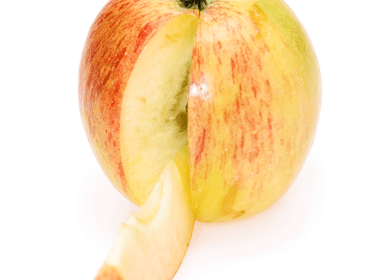
Q: Every time I pick up the paper it seems there's some mention that a food is contaminated with deadly bacteria. Now it's apple slices; before it was melons and spinach. What's going on, and what can I do to protect my family? - Charlene J., Charleston, N.C.

Johnson & Johnson Removing Dangerous Toxins from Products
In an attempt to own up to mistakes in chemical formulation of personal health care products for children and adults, Johnson & Johnson has announced it is in the process of removing dangerous chemicals from commonly used personal products in the next few years. These chemicals are associated with potential cancer and other serious health conditions.

Celebrity Weight Loss: Not a Model Diet
Many Americans struggle with their weight. However, celebrity weight loss is often glamorized, even though their weight loss methods are frequently unhealthy and can...
Gerson Therapy: Healing People the Alternative & Organic Way
The Gerson Institute is a natural treatment center in San Diego. It was started in 1977 by Charlotte Gerson, who is the daughter of...
